-

Which duck breeds lay the most eggs, and what should they eat for a high laying rate without dirtying the eggs?
Which breeds of laying ducks lay the most eggs
-
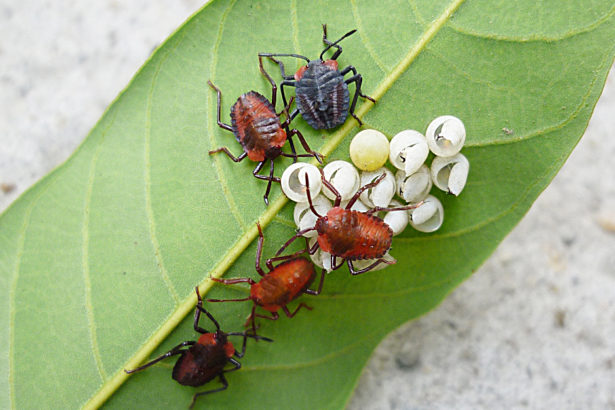
It's the perfect time to tackle the lychee stink bug! Spraying pesticide after egg-laying is too late; releasing Anastatus wasps in spring to remove egg masses is the most effective
It's the perfect time to tackle the lychee stink bug! Spraying pesticide after egg-laying is too late; releasing Anastatus wasps in spring to remove egg masses is the most effective
-

Management methods and technical key points for the egg-laying period of adult yellow mealworm beetles
How to manage egg laying in adult yellow mealworm beetles
-

Do a good job in night management of laying ducks to promote high yield
Night management promotes high yield in laying ducks
-
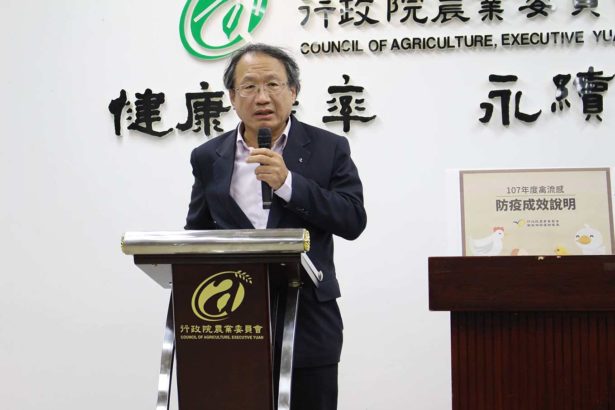
Avian influenza runs rampant in the cold winter, and mixed raising of three generations of laying hens is the toughest; open-air duck farming must be tightened and controlled
Battling the peak of avian influenza in the cold winter! Mixed raising of three generations of laying hens is the toughest; open-air duck farming must be tightened and controlled
-
Detailed Explanation of Fine Sheepskin Flaying Methods and Processing Techniques
Sheepskin has relatively high economic value. Doing a good job of flaying and primary processing of sheepskin can increase economic income and improve the benefits of raising sheep. Here is a brief introduction to sheepskin flaying and primary processing techniques for our readers: Flaying. When slaughtering goats or sheep, most people still use the traditional "big neck slash" method. This method often causes blood to contaminate the hide and wool, affects the integrity of the sheepskin, and lowers pelt quality. A better method for slaughtering sheep is to secure the sheep first, then use a knife to make a longitudinal cut in the skin on the sheep's neck, with an incision of about 7-10
-
In early winter, laying ducks are prone to "reverse molting", so farmers should beware of a drop in egg production rate
"Reverse molting" in laying ducks refers to female ducks raised in spring that enter the laying period in November, when the temperature gradually turns colder, and the day-night temperature difference is too large or nutrition is insufficient, causing ducks that have just started laying to stop producing and go on "vacation". If laying ducks begin "reverse molting", they start to molt, and once molting begins they will not lay eggs again until the following spring. If duck "reverse molting" can be controlled during this period, the laying period can be greatly extended and the economic benefits of duck farming increased. When ducks show signs of "reverse molting" such as eggs becoming smaller, eggshells becoming thinner, delayed laying time, wet feathers after drinking water and coming ashore, and crowding into the duck house, measures should be taken promptly
-
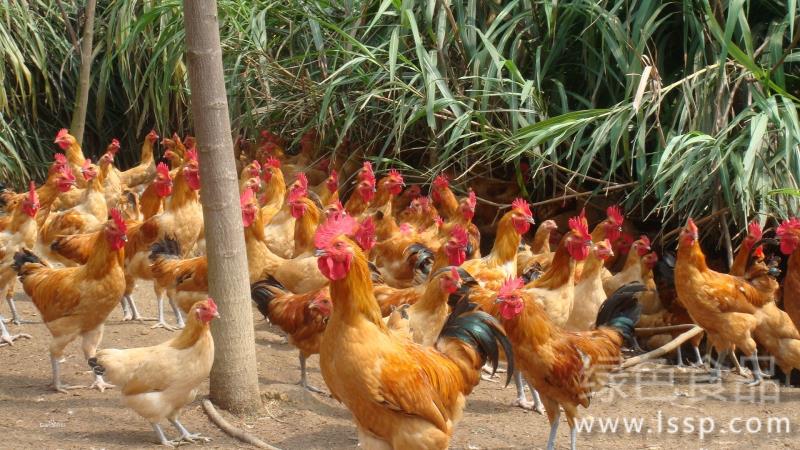
How should free-range chickens be raised and managed during the laying period to ensure the laying rate?
Key points for feeding and management of free-range chickens during the laying period to ensure the laying rate
-
Prevention Methods for the Decline in Laying Rate of Laying Ducks in Early Winter
"Daodan" (laying stop) in laying ducks refers to mother ducks raised in spring entering the laying period in November, when the temperature gradually turns colder and the temperature difference between day and night is too large, or due to insufficient nutrition, causing ducks that have just started laying to stop production and "take a vacation." If laying ducks "daodan" and begin molting, once they molt they will not lay eggs again until the following spring. If duck "daodan" can be controlled during this period, the laying period can be greatly extended and the economic benefits of raising ducks can be increased. When the ducks show signs of "daodan" such as eggs becoming smaller, eggshells becoming thinner, delayed laying time, wet feathers after coming ashore from drinking water, and burrowing into the duck house
-
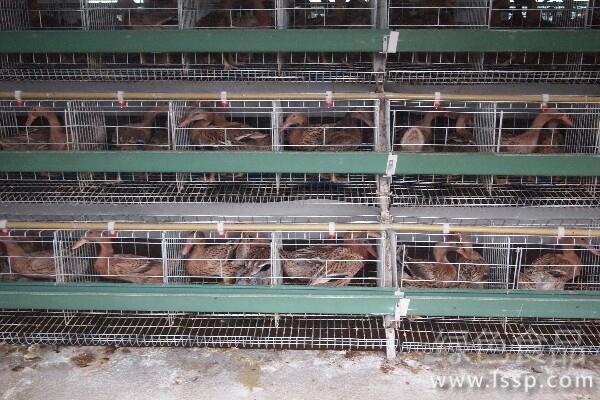
The value of laying ducks lies in egg production. How can the egg production of laying ducks be maintained?
The value of laying ducks lies in egg production. How can the egg production of laying ducks be maintained?
条件筛选