Egg prices rise because last year's floods reduced laying hens, not because of an epidemic; no need to panic-buy
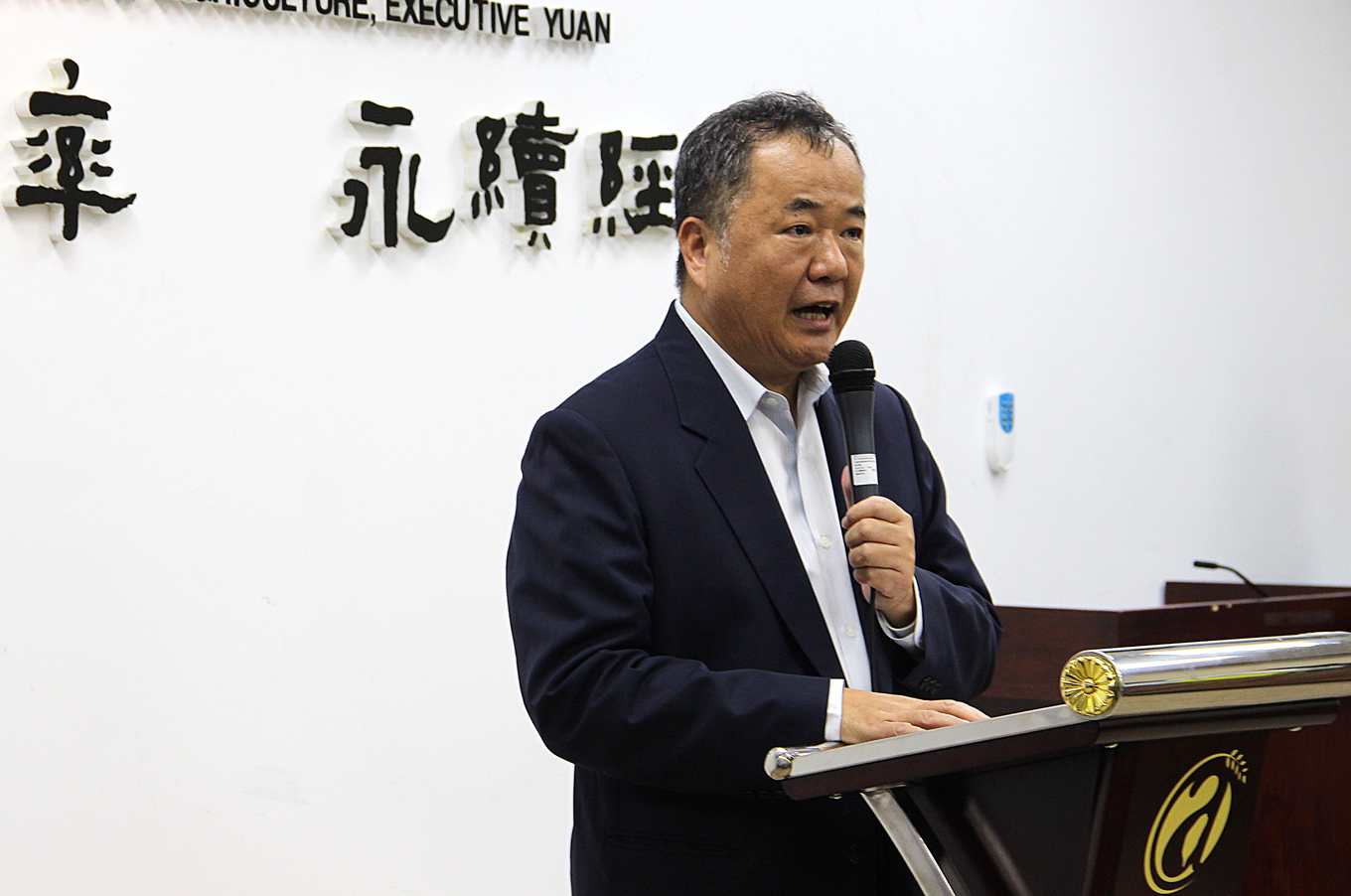
Recently there has been a shortage of eggs. The Council of Agriculture held a press conference today (the 10th) and stated that heavy rain hit egg farms last August, causing the number of laying hens to drop, which led to the recent egg shortage. Sharp temperature fluctuations are another factor affecting egg-laying capacity, not the epidemic rumored online. As for the price that consumers care about most, Chang Chih-sheng, chief secretary of the Council of Agriculture, said that the average price of each egg has currently risen by 0.3 yuan, and adjustments have already been made with producers and the market to keep up with the peak demand period for eggs during the Spring Festival.
Poultry farmers: When temperatures alternate between hot and cold, chickens do not know how to adjust
Chang Chien-feng, a poultry farmer at Quanyou Chicken Farm in Changhua, said that last August's floods indeed had a very large impact on egg production. The poultry-raising system can be divided into three stages: chick breeding, pullet rearing, and laying hen farms. Among them, chicks at breeding farms are raised directly on the ground. When floodwater comes, the chicks are the first to be affected. Fewer chicks means fewer sources of egg production, and a gap in egg supply will appear.
Regarding the impact of temperature on chickens, Chang further explained that chickens generally respond to temperature differences by growing more feathers and regulating their internal energy. When the temperature is unstable and alternates between hot and cold, the chickens do not know how to judge the situation, which in turn affects egg-laying performance.
Council of Agriculture: Domestic production capacity currently has a 5% gap; wholesale price rises by 3 yuan per Taiwan catty
Regarding the egg shortage in the market, Chang explained that according to statistics, daily egg demand in summer is 100,000 boxes, while in winter, because of hot pot season and the Spring Festival, demand is 105,000 boxes. At present, overall domestic production capacity is 100,000 boxes per day, leaving a 5% gap. In addition, with the peak consumption season before the Spring Festival, egg dealers have been unable to adjust supply in time. Kao Chuan-mo, chairman of the Taipei Egg Dealers Association, said that dealers will coordinate among themselves so that consumers will not encounter a situation where they "cannot buy eggs."
The reduction in egg supply has also had some impact on prices. Chang said that amid recent egg price fluctuations, the wholesale price rose from 42 yuan per Taiwan catty to 45 yuan. By calculation, a box of 200 eggs weighs 20 Taiwan catties, and the price of each egg has risen by an average of 0.3 yuan, which he believes has little impact on purchase prices. Kao also said that if the consumer price index is included in the calculation, there were similar increases twenty or thirty years ago as well. Based on his experience, there is no need to worry too much about the current price. He added that egg dealer associations across counties and cities will be linked to keep domestic prices at around 45 yuan and try not to let prices rise further.
Retail channels: No consumer backlash seen
Poultry farmer Chang Chien-feng said that based on his past experience, this price is still within a reasonable range. Su Hsiao-chen, public relations representative of Carrefour, said regarding the egg price situation in retail channels that no consumer backlash has been seen so far, and the extent of the impact of rising egg prices on the public remains to be seen. Huang Li-chuan, vice general manager of Tianhe Fresh, said that the friendly egg segment has not been affected. Consumers already "value quality over price," and there has been no wave of complaints.