Laying hens have high water requirements during peak laying periods; they drink more in summer and no less in winter
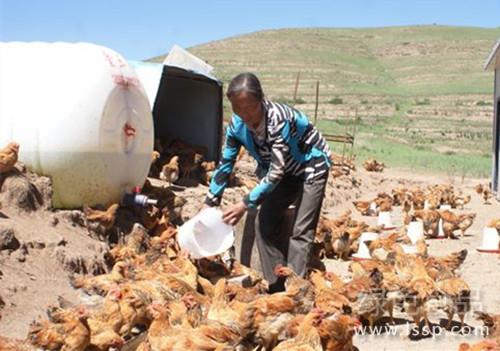
Chicken drinking water
1. Pay attention to water temperature:For chickens raised in open systems, water and feed are generally supplied in the exercise yard, and free-range chickens also mostly have their drinking utensils outdoors. When summer temperatures are high, drinkers should be placed in the shade, with the water temperature slightly lower than the air temperature, and exposure to direct sunlight must be avoided. According to chicken habits, they do not like to drink hot water; by contrast, they do not refuse cooler water. In winter, when the weather is cold and temperatures are low, it is best to give chickens warm water; chickens like to drink warm water, and it can also reduce body heat loss, enhance cold resistance, and benefit the chickens' health and egg production. The drinking water temperature should not be lower than 5°C, with 15°C being ideal.
2. Drinking water must be hygienic:Drinking water must be clean and hygienic; water contaminated by pathogens, pesticides, or similar substances must not be used. There are standards for chicken drinking water: water that people can drink can also be used for chickens. Factors affecting water quality: water source, storage reservoir, water-holding utensils, troughs, drinking utensils, and chickens carrying pathogens. Therefore, water-holding utensils must be disinfected regularly. If trough-type waterers are used, they should be wiped and washed every day. The third-level trough is relatively high and not easy to wipe and wash, so special attention must be paid to it.
3. Supply drinking water at the right times:Chickens have 3 daily peak drinking periods, namely 8 a.m., 12 noon, and 6 p.m. every day. Chickens mostly drink during daylight hours. At around 8 a.m., the chickens begin to receive light; at around 12 noon, it is the peak egg-laying time for chickens, and after laying, the hen has consumed a relatively large amount of water in its body, feels very thirsty, and needs to drink; at around 6 p.m., the light period is about to end, and they prepare to rest, so the chickens need to drink enough water to store it in the body for the night. If laying hens cannot get water or cannot get enough water during these three peak water-demand periods, their egg production and health will suffer problems.
4. Supply drinking water in appropriate amounts:Under normal circumstances, the daily water requirement per chicken and the feed-to-water ratio are about 200 ml in spring and autumn, with a feed-to-water ratio of 1:18; about 270-280 ml in summer, with a feed-to-water ratio of 1:3; and about 100-110 ml in winter, with a feed-to-water ratio of 1:0.9. The amount of water should be adjusted according to the season. When dry feed is used to feed chickens, the drinking water amount is 2 times the feed intake; when wet feed is used to feed chickens, the water supply can be less. When the laying rate rises, the water requirement also increases. This is because at this time the chickens are laying vigorously and metabolism is enhanced; not only does egg formation require water, but as the chickens' feed intake increases, the water requirement also increases.