-

How to do winter management of peas? These key steps must be mastered
Important steps in winter management of peas
-
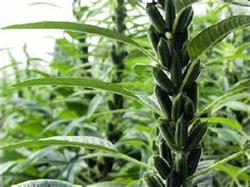
Four key steps to ensure a high yield of black sesame in summer
First, thin and finalize the seedlings in time, and check for and fill gaps: because sesame seeds are small and germinate in large numbers, the seedlings should be thinned when the first pair of true leaves appears after emergence; they should be thinned again when 2 to 3 pairs of true leaves have grown, and finalized at 4 pairs of true leaves, generally leaving about 8000 plants per mu; if poor soil moisture at sowing causes missing plants and broken rows, transplanting from dense areas to sparse ones or sowing after sprouting can be used to ensure...
-
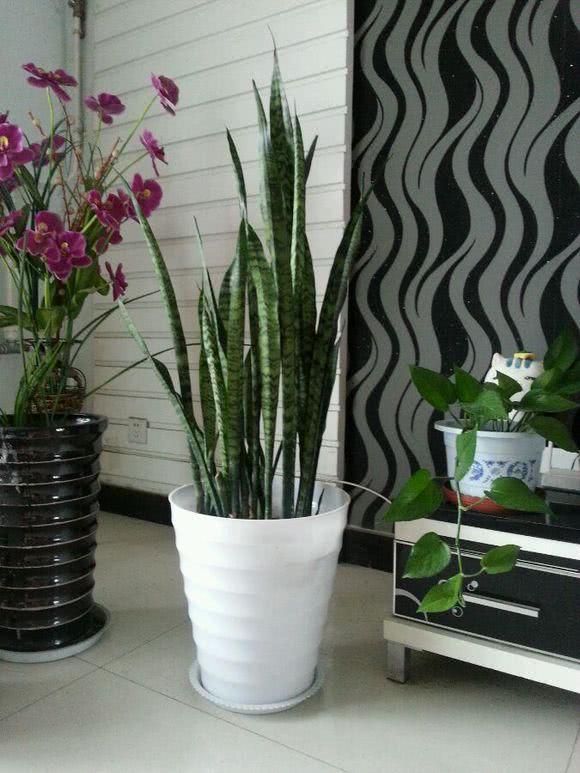
Snake plant: nail these 3 key steps in autumn for straight, thick leaves that grow like crazy to 2 m
Snake plant, also known as mother-in-law's tongue, has upright, thick leaves and is hard to kill. Placing a few pots in a new home or office not only decorates the space but also effectively purifies the air. If a snake plant is not cared for well, it is also prone to...
-
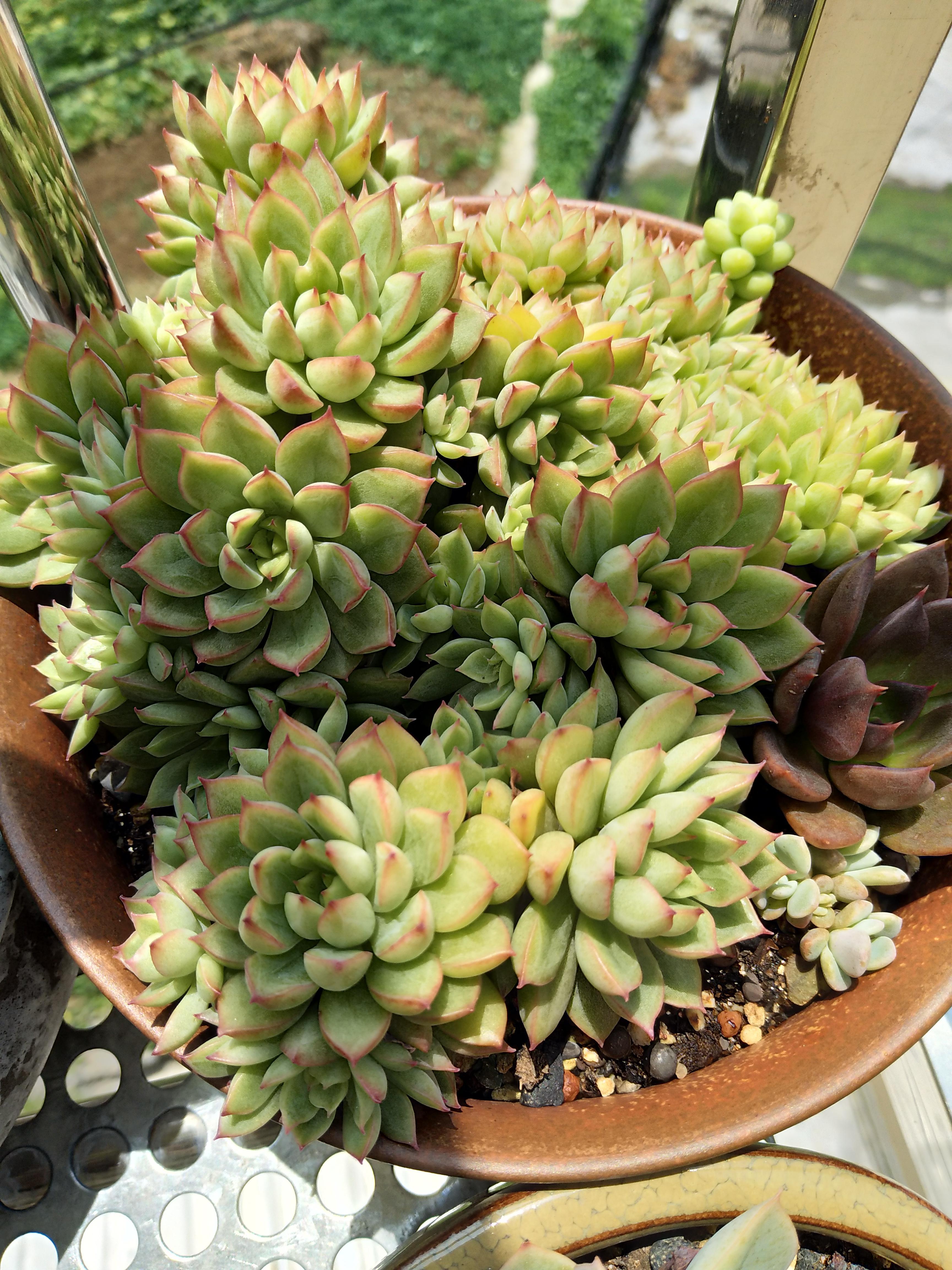
8 key steps for caring for succulents in August, and their beauty will return in September to surprise you
Time flies so fast. Autumn has arrived, and in another 4 months it will be 2019 again. Although autumn is here, it is still very hot in Nanning, over 30 degrees every day, and you still need sunscreen when going out. With autumn here, many succulent owners have started...
-
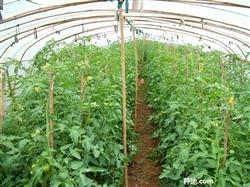
How to Prune Greenhouse Tomatoes? Key Steps and Methods Explained
How to prune greenhouse tomatoes? Please explain the guidance: to achieve early maturity and high yield in greenhouse tomatoes, the single-stem pruning method is often used. For early-maturing varieties, only the main axis of the tomato is kept, and all lateral branches in the leaf axils are removed. For mid-to-late-maturing varieties, because of their strong growth vigor, continuous single-stem extension pruning and continuous pinching are usually adopted...
-
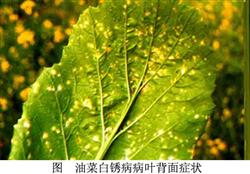
Five key steps for transplanting rapeseed on stubble fields
1. Symptom characteristics. Rapeseed white rust mainly infects leaves, stems, flower stalks and floral organs. The symptoms on leaves and stems are characterized by blister-like lesions. The blister surface is white or milky white, slightly raised, small (ranging from 1 to 3 mm), and numerous; after rupturing, it releases a white powdery substance (the sign of disease), eventually causing the leaves to turn yellow and drop early....
-
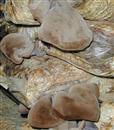
Detailed Explanation of Wood Ear Mushroom Inoculation Techniques: Master the Key Operational Steps
There are many raw materials suitable for bag cultivation of Auricularia polytricha (hairy wood ear), such as mixed wood sawdust, cottonseed hulls, broken cottonseed, bagasse, mulberry branches, cassava stalks, rice straw, soybean stalks, peanut vines, and so on. Except for mixed wood sawdust, cottonseed hulls, broken cottonseed, and bagasse, the remaining raw materials must be crushed into powder before they can be used for production. The bag cultivation process for Auricularia polytricha is similar to that for golden needle mushroom (Flammulina velutipes) bags...
-
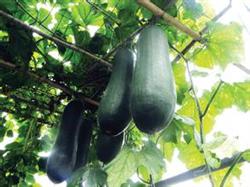
How to Grow Winter Melon for High Yields? Focus on Three Key Steps
Agricultural experts point out that to achieve high yields of winter melon, you should plant at a reasonable density, control diseases and the number of dead seedlings so that the final number of fruit-bearing plants is sufficiently large but not too dense; you should also fertilize reasonably and control various diseases, especially fungal diseases, so that the plants grow vigorously and the winter melon's expansion rate increases; and you should extend the lifespan of the winter melon plants as much as possible, thereby...
-
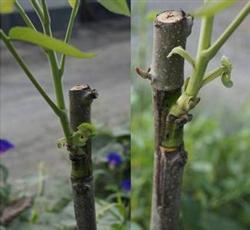
Detailed Explanation of Key Techniques and Operating Steps for Walnut Square Bud Grafting
Walnut square bud grafting gives a high survival rate, is labor-saving and convenient to perform, and the technique is easy to master and promote; it is suitable both for planted young trees and for nursery seedling production. The square bud grafting technique is described below: 1. Grafting time. It can be carried out from late May to mid-July, but the best time is in June, during which...
-
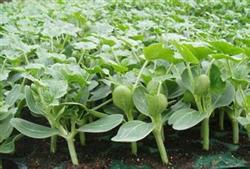
Four key steps to master for raising watermelon seedlings in a heated hotbed
Raising watermelon seedlings in a heated hotbed has the characteristics of fast warming, even temperature, low cost and simple operation. It can cultivate robust watermelon seedlings in January and February when the air temperature is very low, and its seedling-raising effect is similar to that of an electric heating hotbed. 1. Build the seedbed. First dig a bed pool 4.5 m long from east to west, 1.6 m wide from north to south and 0.2 m deep...
条件筛选