-

Two lessons from beekeeping experience, worth a beekeeper's reference
A few key points on feeding sugar when bees forage on tea flowers. For beekeepers in the south, autumn tea is also a major flowering period, with a long flowering season and abundant pollen. Foraging tea flowers requires preparing several tons of white sugar...
-
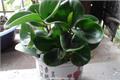
How do you care for a radiator plant (Peperomia) to keep it at its best? Master these care methods
How exactly do you care for a radiator plant to keep it at its best?
-
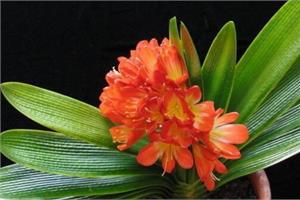
Keeping houseplants at home is not something to do carelessly; here are the rules you need to know
Keeping houseplants at home is not something to do carelessly; do you know these rules?
-
What are the benefits of growing and keeping flowers? Everyone who loves flowers knows
What are the benefits of growing and keeping flowers? Everyone who loves flowers knows
-
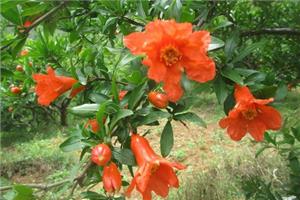
How to Grow Pomegranate Flowers: Tips for Keeping Pomegranate Flowers Alive
How to Grow Pomegranate Flowers: Tips for Keeping Pomegranate Flowers Alive
-

How to grow spring hyacinth beans? Keep these planting precautions in mind
Hyacinth bean, also known as hedge bean, magpie bean, and flour bean, is locally also called eyebrow bean, sword bean, etc. Its tender pods and seeds are eaten. Hyacinth beans not only have high nutritional value, but also have medicinal value such as strengthening the spleen and draining dampness...
-
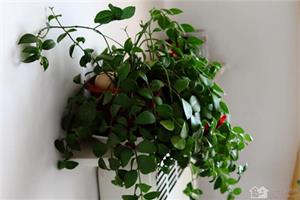
How to grow the lipstick plant? Keep these care tips in mind
How to grow the lipstick plant: care tips for the lipstick plant
-

Is Cyclamen Poisonous? Is It Suitable for Keeping at Home
Is Cyclamen Poisonous and Suitable for Keeping at Home
-
What are the precautions for growing quinoa? Keep these key points in mind
Quinoa belongs to the Amaranthaceae family and is a dicotyledonous plant. The plant has a broom-like shape, with a height ranging from several tens of cm to 3 m. Its root system is shallow, with panicle-like inflorescences, and seeds are produced on both the main shoot and side branches through self-pollination. The seeds are round and tablet-shaped, about 1.5-2 mm in diameter, similar in size to millet but lighter, with a 1000-grain weight of 1.4 g-3 g, and the seed coat contains a layer of water-soluble saponin. Because its leaves resemble duck feet, its English name is also goose foot. Seed size and color vary among different varieties, mostly white, grayish-white, and creamy yellow, while some varieties have dark-colored seeds such as black, red, and purple.
-

How do you keep koi? These koi breeding facts you need to master
Hello everyone, this is Zuoyou Studio, where we share premium knowledge about life, business, language and relationships. If you like...
条件筛选