How do you care for a radiator plant (Peperomia) to keep it at its best? Master these care methods
The radiator plant is a perennial herb with a grayish-white spike inflorescence. Today I will give you a simple introduction to how to grow a radiator plant, so let us learn about it together.
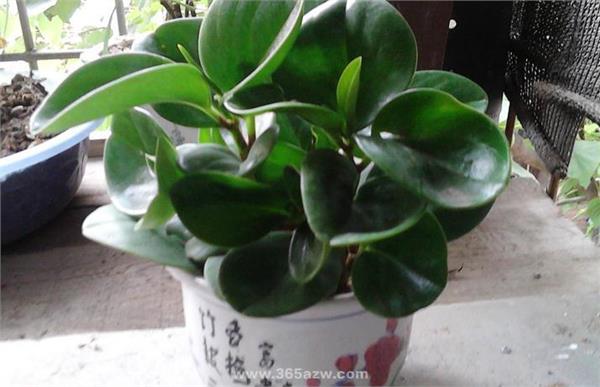
The benefits and effects of the radiator plant
Purifying effect. The radiator plant has a certain purifying effect on formaldehyde, xylene and secondhand smoke, and is the best plant for radiation protection. Many people in the industry say that as long as it is a succulent plant it can resist radiation; in plain terms, plants with relatively thick leaves generally have this function. But in fact, no one can prove whether it really protects against radiation or not, and everyone takes the attitude of "better to believe it exists than not", at least the green of the radiator plant can please the eye and reduce eye fatigue, and this much is certain.
Ornamental effect. The radiator plant has thick, jade-green leaves and a beautiful plant shape, giving a feeling of daintiness. It is suitable for growing in a small pot and is an ideal foliage plant for beautifying the home and office, often used to decorate windowsills, writing desks, coffee tables and similar places.
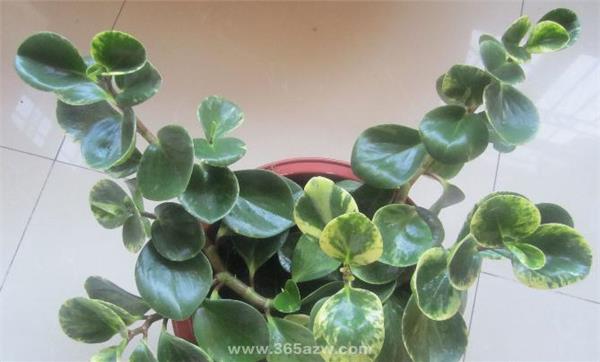
How to grow the radiator plant
Soil: it likes to grow in loose, fertile, well-drained sandy soil rich in humus, and grows poorly in clay. For the potting soil, use 7 parts leaf mold soil and 3 parts river sand, adding a small amount of base fertilizer to make the growing medium. Or mix 6 parts peat soil, 4 parts perlite and a small amount of base fertilizer.
Watering: it prefers moisture and does not tolerate drought. During the growing period, water it frequently; when the temperature is above 25°C or the air is dry, water a little more, but also prevent waterlogging. When the temperature is below 25°C, water thoroughly again only when the surface of the potting soil is dry; when the temperature is below 10°C, it can tolerate several days of dryness without watering.
Temperature: it likes a warm environment, with an optimum growing temperature of 20-30°C. The overwintering temperature is best kept above 10°C; below 10°C growth stops, and below 5°C it is prone to freezing damage.
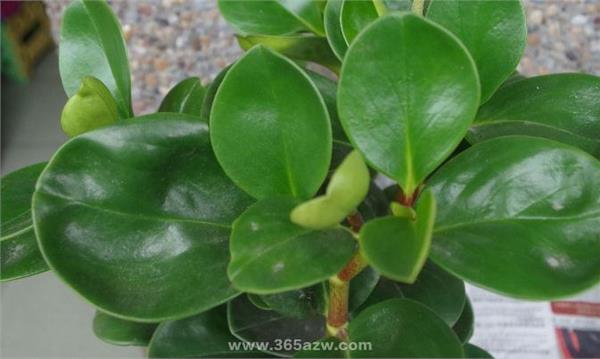
Light: it likes semi-shade or scattered light. Apart from winter, when it needs sufficient light, in the other seasons it needs a little shading, and in summer especially it needs more shading. If placed in a shaded environment, it tends to grow leggy, with longer internodes, reducing its ornamental value, which is also not advisable. Under semi-shade conditions, the leaf color is brighter and the gloss is better; variegated varieties in particular have a slightly higher demand for sunlight.
Humidity: it likes a moist growing environment. Under high-humidity conditions it grows luxuriantly and the leaf color is vivid. When the temperature is high or the air is dry, increase misting of the leaves or sprinkle water in the growing environment to maintain higher air humidity, which is extremely beneficial to the plant's growth. It can also adapt to a short period of dry environment, but not for long; generally it should be kept at around 70%.
Fertilizing: when the temperature is above 18°C, a small amount of fertilizer is needed; when the temperature is below 18°C or above 30°C, it is best to apply little or no fertilizer. It is best to fertilize little but often, and watering with diluted fertilizer liquid instead of clean water is the best approach. It does not tolerate raw fertilizer or concentrated fertilizer and is very prone to fertilizer burn. You can also apply fertilizer by spraying the nutrient solution on the leaves, with good results. The fertilizer should be mainly nitrogen and potassium fertilizer, with phosphorus fertilizer secondary.
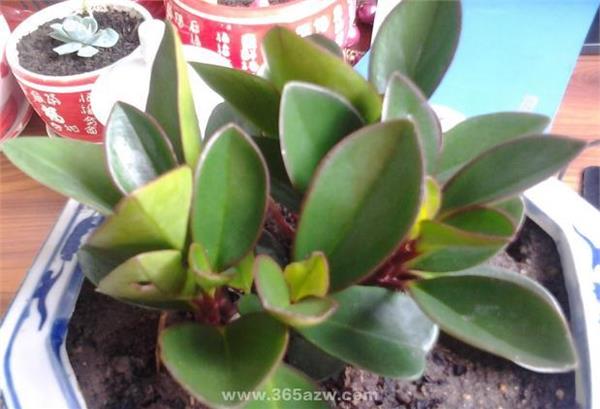
Points to note when growing the radiator plant
In spring and summer you can slightly pinch out the plant's growing tips to encourage more side branches and make the plant look fuller. But be careful not to remove too many, otherwise the plant may not produce many flowers. Summer is hot and humid. The leaves of the radiator plant have a leathery surface that can prevent part of the water transpiration, so its requirements for environmental humidity are not too high. High temperature and high humidity are not conducive to its growth; in mild cases spots appear on the leaves, and in severe cases rot occurs.