How to grow the lipstick plant? Keep these care tips in mind
The lipstick plant is a perennial evergreen trailing succulent herbaceous plant. Because its flowers closely resemble red lips, it is called the lipstick plant. Although it looks similar to spider plants, the lipstick plant actually belongs to the Aizoaceae family. Let's take a look below at how to grow the lipstick plant.
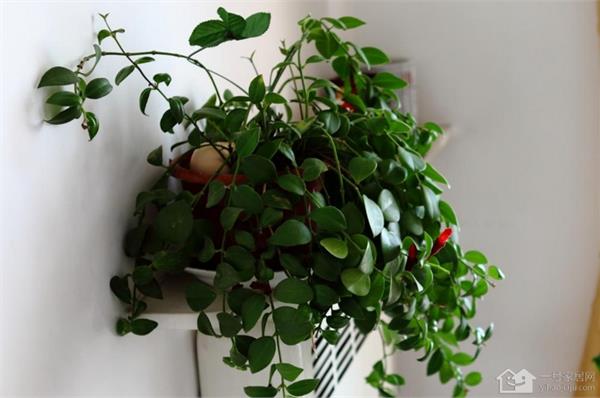
[How to grow the lipstick plant]
1. Choosing pots and soil
For the lipstick plant, loose, fertile sandy loam is best, and drainage must be good. The soil used for potting is best slightly acidic. A potting mix made from peat soil, sand and vermiculite can be used, with an appropriate amount of superphosphate added.
2. Placement
The lipstick plant should be placed in a cool, ventilated spot, and care should be taken to maintain environmental humidity. It dislikes continuous high temperatures and high humidity; poor drainage and ventilation will cause rot. The lipstick plant is not cold-tolerant, so it needs to be brought indoors to overwinter in winter.
3. Light exposure
It likes a semi-shaded environment. Apart from appropriately shading it from the strong midday sun in midsummer, it should be given sufficient light at other times of the year, especially in winter. If the light at the placement site is too strong or insufficient, the leaves easily turn pale green or yellow-green.
4. Fertilizing
Red-flowered plants generally need less fertilizer. Apply some decomposed liquid fertilizer every two weeks, and prefer dilute over concentrated. When potting, an appropriate amount of livestock hoof and horn pieces and crushed bone pieces can be added as a base fertilizer. During the vigorous growth period, the lipstick plant can be given a decomposed organic fertilizer solution once every 15-20 days. After summer, apply more phosphorus and potassium fertilizers. For example, a 0.1% solution of potassium dihydrogen phosphate, as well as 20-fold diluted solutions of decomposed fish viscera water and bone water, can promote the opening of its autumn flowers.
5. Pest and disease control
The lipstick plant has relatively few pests and diseases, but when cultivated in summer, due to hot and humid weather and other reasons, the lipstick plant is prone to anthracnose. When the plant develops the disease, small spots often appear on the leaves and gradually expand into yellow-brown round spots. When the disease is severe, more than half of the leaves wither and turn black and die, and sometimes lesions also appear on the stems. Maintaining good ventilation at the cultivation site, reducing air humidity, and reducing the amount of nitrogen fertilizer can prevent the occurrence of this disease.
6. Pruning
During vigorous growth, it can be pinched back appropriately to promote branching. After the winter flowering period ends, the remaining stems that have flowered should be cut off promptly. This can save nutrients, promote new shoots, and help it produce more buds and flowers.
[Care tips for the lipstick plant]
1. During the flowering period of the lipstick plant, care should be taken to apply less nitrogen fertilizer, increase the intensity of indoor light, and keep the room temperature relatively low; this helps promote flowering.
2. In addition, another point to note is that after the winter flowering period ends, the remaining stems that have flowered should be cut off promptly. In this way, the lipstick plant can save nutrients and promote new shoots.
The above is the relevant introduction in this article. I believe that after reading it, you also have a simple understanding of this. If needed, you can continue to follow No.1 Home Network to learn more information.