What are the precautions for growing quinoa? Keep these key points in mind
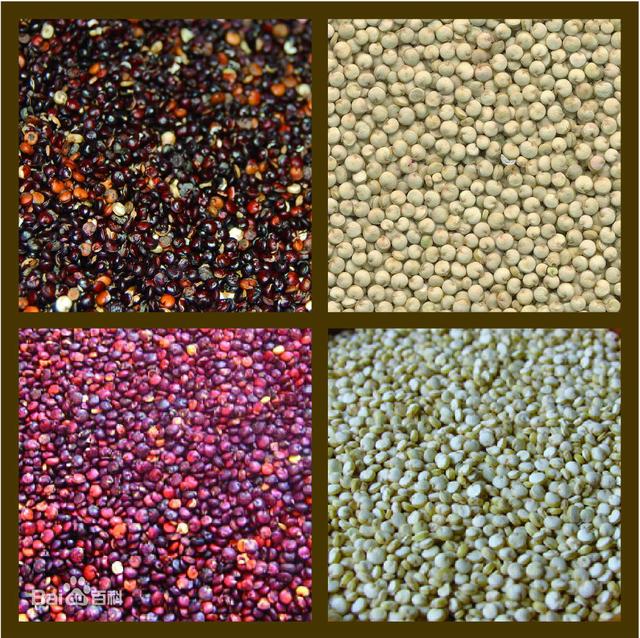
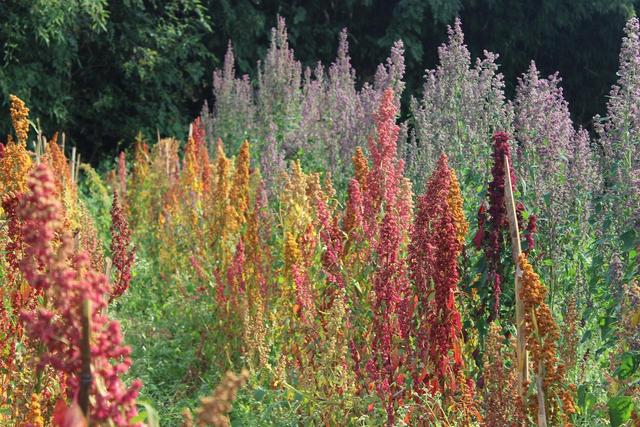
Quinoa belongs to the Amaranthaceae family and is a dicotyledonous plant. The plant has a broom-like shape, with a height ranging from several tens of cm to 3 m. Its root system is shallow, with panicle-like inflorescences, and seeds are produced on both the main shoot and side branches through self-pollination. The seeds are round and tablet-shaped, about 1.5-2 mm in diameter, similar in size to millet but lighter, with a 1000-grain weight of 1.4 g-3 g, and the seed coat contains a layer of water-soluble saponin. Because its leaves resemble duck feet, its English name is also goose foot. Seed size and color vary among different varieties, mostly white, grayish-white, and creamy yellow, while some varieties have dark-colored seeds such as black, red, and purple.

Place of origin
In its place of origin, quinoa is mainly distributed in Bolivia, Ecuador, and Peru in South America, and it has characteristics such as cold tolerance, drought tolerance, tolerance to poor soil, and salt-alkali tolerance. It is distributed from sea level to more than 4000 m, and the edible varieties are mainly grown in the high-altitude mountainous areas of the Andes with rainfall above 300 mm and an altitude of more than 3000 m.
Quinoa growing regions in China
Mainly distributed in Shanxi (creamy yellow, grayish-white), Yunnan (Yunli No. 1 sweet white quinoa, red quinoa), and Qinghai (grayish-white, creamy yellow).
1. Pre-sowing preparation
A: Plot selection.
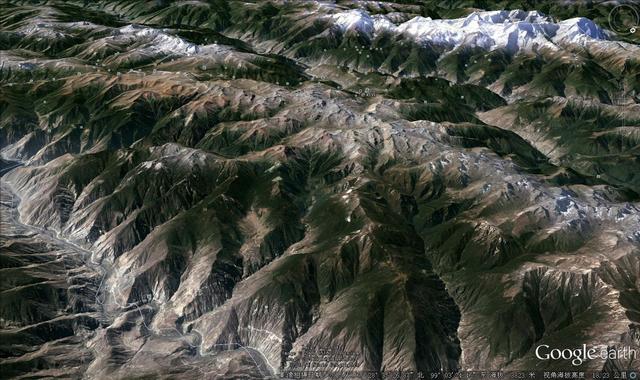
For growing quinoa, choose ridge land and second-terrace land at an altitude of 2500-3500 m with higher terrain, ample sunlight, good ventilation, and relatively good fertility. It is strictly forbidden to plant in shady, moist riverbank land or gully land with poor ventilation and light conditions. For the plot soil, red clay or red sandy soil is best.
B: Crop rotation and stubble change.
Quinoa is not suitable for continuous cropping. Continuous cropping in the same field causes severe disease, many weeds, and large consumption of nutrient elements in the soil, easily resulting in "resting land." Therefore, choosing reasonable crop rotation and stubble change makes it easier to achieve a high and stable quinoa yield. It is planned to rotate with buckwheat, waxy corn, and millet. The best previous crop is soybean or potatoes, followed by corn; sorghum, sunflower, and castor are poorer, and the rotation period should be at least two years.
C: Fine land preparation.Quinoa is planted in dry sloping ridge areas, so improving rainwater use efficiency is crucial. In early spring, when the soil has just thawed and the temperature is still low and soil moisture evaporates slowly, apply sufficient base fertilizer to achieve integration of soil and fertilizer and to store water for strong growth. Before sowing, harrow and level the soil promptly after each rainfall to achieve a loose surface and firm subsoil. In drought, only harrow without plowing, and carry out compaction treatment.
D: Apply sufficient base fertilizer.
The fertilizer type should be sheep manure treated by high-temperature fermentation, followed by farmyard organic fertilizer. The use of chemical fertilizers is strictly prohibited, including inorganic fertilizers such as ammonium phosphate nitrate. Base fertilizer should be applied once before sowing in combination with deep plowing and land preparation, generally mainly farmyard manure. For example, mixing phosphate fertilizer with farmyard manure and composting it as base fertilizer gives the best effect. Base fertilizer is better applied in autumn or early spring.
The period when topdressing has the greatest yield-increasing effect is the booting stage 15-20 days before heading, generally about 5 kg of pure nitrogen per mu is suitable. When nitrogen fertilizer is relatively abundant, apply "seed-setting fertilizer" at the beginning of jointing and topdress "grain-filling fertilizer" at the booting stage. In the late growth period of quinoa, spraying phosphate fertilizer and trace element fertilizers on the leaves can also promote flowering, seed setting, and grain filling.
2. Sowing
A: Sowing date.
The sowing date should generally be chosen around mid-May (a temperature of 15°C-20°C is suitable), and it is best to sow after rain or two days before forecast rain. Avoid early sowing, so that the flowering period of the millet avoids rainy days.
B: Sowing rate.
The amount per mu should be 0.3-0.4 kg. Keep about 9000-10000 seedlings.
C: Sowing depth.
Sowing depth is about 1-2 cm. Too deep makes emergence difficult, while too shallow is unfavorable for drought prevention and lodging resistance.
D: Sowing method。
Generally use drill sowing, and newly developed precision drills may also be used. Row spacing is about 40-50 cm, and plant spacing is about 25-30 cm.
3. Field management
A: Seedling stage management.
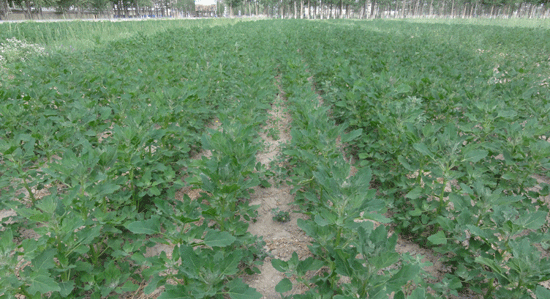
Check seedlings and replant missing ones
After quinoa emerges, check the seedlings promptly. When missed sowing and missing seedlings or broken rows are found, replanting measures should be taken: first, soak the seeds in water for 3-4 hours, remove them, cover them with a wet cloth, place them at 20-25°C, and keep them covered for more than 10 hours, then open furrows and replant; second, for a small number of missing seedling or broken row spots, transplant seedlings after rain at the 4-5 leaf stage. For transplanted millet seedlings, water them in the morning and evening for three consecutive days to ensure the survival rate.
Thinning and final singling
After quinoa emerges, thin the seedlings early and pay attention to removing weeds. When the seedlings grow to 10 cm, carry out the first thinning, and more seedlings may be retained appropriately, keeping good seedlings. When the seedlings grow to 20-30 cm, carry out the second thinning, keeping strong seedlings, preserving all seedlings, and achieving reasonable close planting.
Intertillage and weeding
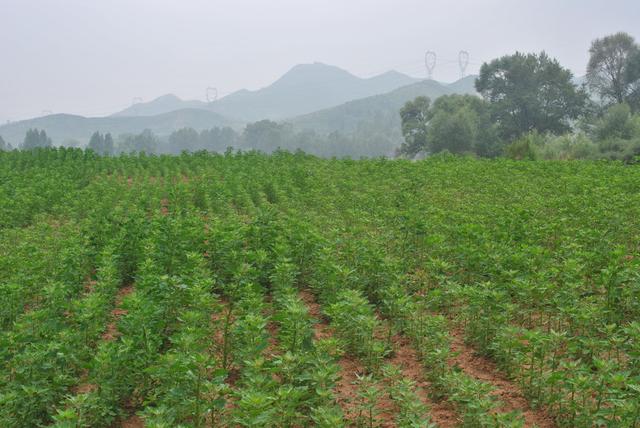
This is the key to cultivating strong seedlings. Quinoa seedlings grow slowly and are sensitive to weed infestation. The first intertillage should be carried out together with thinning, and should involve shallow hoeing, fine hoeing, breaking up soil clods, and straightening seedlings, achieving uniform depth, clean weeds, and level ground, and preventing injury to or burying of seedlings. If heavy rain occurs after intertillage, break up the hardened surface when the topsoil is slightly dry after the rain.
B: Mid-term management
Clearing the rows
Carry this out at the 8-leaf stage, checking row by row and plant by plant, pulling out weeds, diseased plants, and residual plants in the rows, improving uniformity, making the base of the plants clean, and improving ventilation and light penetration.
Deep tillage
From the jointing stage onward, quinoa enters a stage of vigorous growth. As the temperature rises, the stems grow faster. After clearing the rows, deep intertillage should be carried out to cut some lateral roots, promote root development, control growth at the basal nodes, make the stems thick and strong, and prevent lodging later.
Hilling
Remove all weeds between the rows and hill soil around the roots to promote growth of the neck nodes and secondary roots, enhance the plant's support capacity, and help prevent lodging later.
C: Late-stage management
At the mature stage, strictly prevent damage by sparrows and harvest promptly to prevent the millet heads from rubbing against each other in the wind and shedding grain, causing losses.
Remove impurities and inferior plants. To ensure the high quality of organic quinoa, diseased heads and mixed plants must be removed before harvest.
4. Harvesting, storage, and transportation
A: Timely harvest
When the millet heads turn yellow and lose their green color and the grains harden, they can be harvested. Use the method of harvesting, threshing, and storing each plot separately.
B: Storage
Adopt centralized constant-temperature warehouse storage at the center.
C: Transportation
Transport tools must be clean, dry, and equipped with rain protection. It is strictly forbidden to transport them mixed with toxic, harmful, corrosive, or odorous items.
5. Control of main diseases and insect pests
Mainly adopt the following preventive measures:
A: Sow at the right time.
Do not sow early. The best time is within ten days after the Grain Rain solar term, in order to make the flowering period of quinoa avoid the continuous rainy season, maintain sufficient sunlight, and prevent quinoa blast disease. This is consistent with the farming proverb "sunlight produces rice, rain produces empty grains."
B: Late-stage field management.
That is, after quinoa heads, pull out diseased plants and remove impurities and inferior plants. To prevent white blight, select the pulled diseased plants, bury them deeply away from the base, or burn them.
C: Crop rotation and stubble change, and overwintering prevention.
Autumn plowing and strengthening ridges emphasize deep plowing, picking out millet stubble cleanly, and removing larvae and insect eggs.