Is Cyclamen Poisonous? Is It Suitable for Keeping at Home
Some cultivated varieties of cyclamen have a rich fragrance, while others have a faint scent or no scent at all. Let's take a look below at whether cyclamen is poisonous and whether it is suitable for keeping at home.
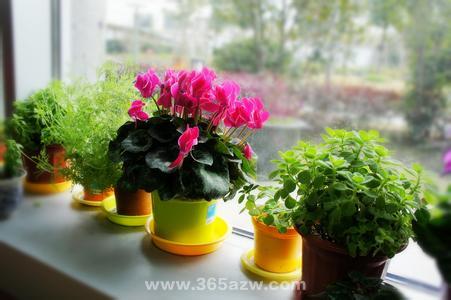
Is Cyclamen Poisonous and Suitable for Keeping at Home
Is cyclamen poisonous:
The claim that cyclamen is poisonous is correct, but its toxicity lies in the root tuber. The root tuber contains toxic plant alkaloids, and if ingested by mistake it can cause symptoms such as dizziness, vomiting and diarrhea. Skin contact may also cause skin allergies. In any case, as long as you do not eat its root tuber there is no problem. Generally, our flowering plants are kept only for ornamental purposes, so the chance of accidental ingestion is relatively small. You just need to keep an eye on the children in the home and not let them eat it by mistake, and then there is no problem.
Can cyclamen be placed in the bedroom:
Generally, it is better not to place these flowering plants in the bedroom, because at night plants do not carry out photosynthesis but instead breathe like people, competing with people for oxygen. Moreover, if the scent of these flowering plants is too strong, it will make the indoor air stale and affect sleep. Generally, it is better to keep cyclamen in the living room or on the balcony, as this makes it easier to care for and enjoy.
The feng shui role of cyclamen:
1. Cyclamen can be placed in the dining room or dining area of the home. Cyclamen can inject life and vitality into the dining room, add a cheerful atmosphere, and can also be placed on a wooden partition cabinet to divide the dining room from other functional areas. Placing a few pots of lush cyclamen appropriately in a corner of the dining room or on the windowsill will make the dining room full of life and make people's appetites surge.
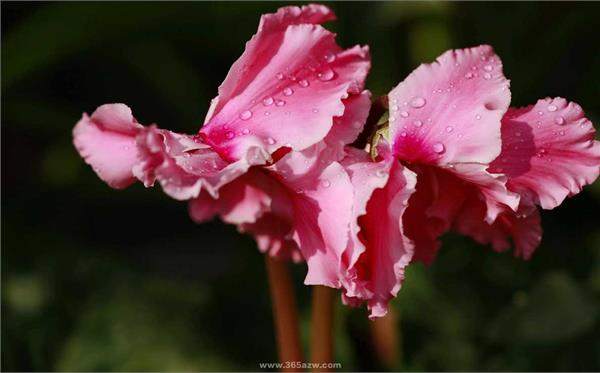
2. It can be placed in the study. The study is an elegant, quiet and orderly place, requiring plants that have a calming effect. In a smaller study, it is better to choose delicate, petite and gracefully shaped cyclamen, either placed on the desk or by the window, so that the arrangement is neither crowded nor empty, and harmonizes with the size of the room.
3. It can be placed in the living room. The name of cyclamen implies welcoming honored guests and carries the auspicious meaning of praying for good fortune to come. Its refined flowers stand atop tall flower stems, and the scene of them rising and falling at different heights is like a flock of birds flying in on wings, reminding people of the elegance of an immortal riding the clouds on a clear breeze. Such a potted plant can let visiting guests feel the implication of being warmly welcomed, and also keep the family safe and happy.
Is cyclamen poisonous?
Poisonous.
Cyclamen is suitable for potted ornamental display and can be placed indoors for decoration, especially suitable for embellishing sunny plant stands and desks in the home. Because of its beautiful and distinctive plant shape, abundant blooms and vivid colors, and the fact that some varieties are fragrant, it is deeply favored by people. Cyclamen can also be grown in pots using soilless cultivation methods, clean and charming, and even more suitable for home decoration. Cyclamen has a distinctive flower shape, is delicate and eye-catching, and has a romantic and varied appearance. Some varieties are fragrant and have high ornamental value, and are deeply loved by people. But this cyclamen, so deeply cherished by people, is actually poisonous.

Even though cyclamen is a plant with extremely high ornamental value and can also resist the toxic gas sulfur dioxide in the air relatively strongly, cyclamen does have a certain toxicity, especially in the root tuber. Accidental ingestion may cause symptoms such as diarrhea and vomiting; skin contact may cause skin redness, swelling and itching. If these symptoms appear, please consult a doctor for guidance, and do not let animals or children eat this plant or its root tuber by mistake.
It is true that cyclamen is poisonous, but its toxicity lies in the root tuber, which contains toxic plant alkaloids. As long as we usually pay more attention and do not touch or eat its root tuber, the impact is not great.
Can cyclamen be kept at home if there is a pregnant woman in the family?
Keep it with caution.
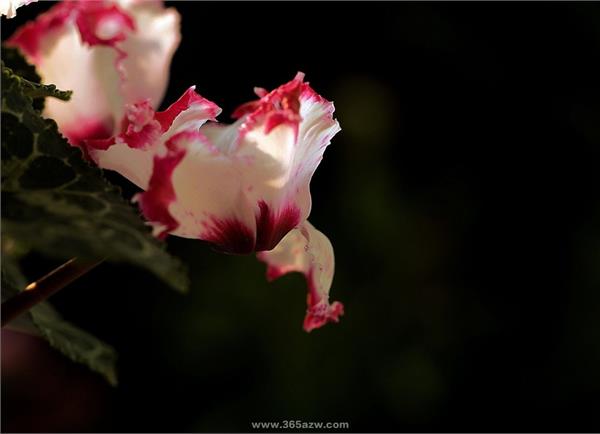
Cyclamen is a perennial herbaceous plant and a famous winter and spring greenhouse potted flower. The leaf stalks are relatively long, reddish-brown and fleshy. The flowers are borne singly at the top of the flower stems, with the flowers drooping and the petals curling upward and backward. The petal edges are varied, including entire, notched, wrinkled and wavy forms. The flowers usually have five petals. The flowering period lasts for several months, and it is deeply loved by people. But even though we love cyclamen, when there is a pregnant woman at home we should still keep cyclamen with caution. The main reasons are:
1. Cyclamen is poisonous, but the toxic sap of cyclamen is concentrated in the root tuber. Accidental ingestion can cause dizziness and vomiting, and contact can cause skin allergies. For the sake of the baby and herself, a pregnant woman had better stay away from cyclamen.
2. Cyclamen can be kept in the bedroom, but it is best to put it in the bedroom during the day and move it out of the room at night; because all green herbaceous plants carry out photosynthesis during the day and have an air-purifying effect, but at night the opposite is true and they release carbon dioxide. Here it is not recommended to place cyclamen indoors, mainly for fear of competing with the pregnant woman for oxygen.
3. Cyclamen has a relatively strong resistance to the toxic gas sulfur dioxide in the air. Its leaves can absorb sulfur dioxide and, through oxidation, convert it into non-toxic or low-toxicity substances such as sulfates. From this point of view, keeping cyclamen at home is also harmless to a pregnant woman.
In view of the toxicity of cyclamen, it is recommended that families with a pregnant woman keep cyclamen with caution.