-
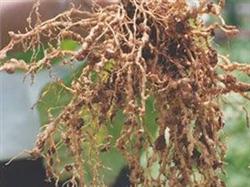
Pineapple fertilization: pay attention to supplementing nitrogen and potassium fertilizers
Because root-knot nematodes parasitize in the roots and cause the root tissue to overgrow, forming tumors of varying sizes. Control method: implement quarantine; plants carrying nematode disease must not be brought to disease-free areas. When opening a new orchard, plow and harrow the soil to expose it to the sun in clear weather; sunlight exposure can also kill root-knot nematodes.
-
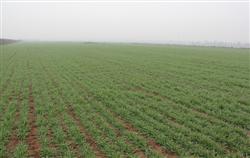
Spring management of wheat focuses on fertilizer and water; fertilization and irrigation must keep pace.
Generally carry out compaction and hoeing, and harrowing when the soil surface is frozen. Harrowing or compaction can break up clods, settle the soil, raise and conserve soil moisture, draw on deep water, and promote root growth and tillering. Through compaction, capillaries form in the soil, and deep soil moisture rises along the capillaries to the upper soil layer, which helps nourish root growth. Early-spring hoeing and harrowing...
-
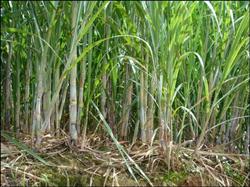
Key Points of Scientific Fertilization Techniques for Sugarcane Cultivation
Sugarcane enters the elongation stage from the time jointing begins and the average stem elongation exceeds 3 cm per ten-day period until elongation basically stops. This is also the golden season for rapid sugarcane jointing and growth, and doing a good job of field management is the key to a bumper harvest. Therefore, the following measures must be carried out well: 1. Apply heavy stem-promoting fertilizer. The sugarcane elongation stage is the period for developing large roots and...
-

-
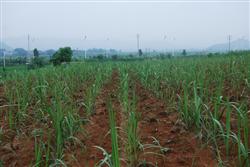
A Detailed Guide to the Nutrient Requirements and Fertilization Methods of Sugarcane
1. Using Phosphate Fertilizer. Phosphate fertilizer must be fully pulverized and thoroughly mixed and composted with garbage fertilizer or farmyard manure before application. In recent years, many sugarcane farmers have spread phosphate fertilizer directly into the furrows. This approach results in a phosphate fertilizer utilization rate of less than 10%, with more than 90% being fixed by the soil into unavailable phosphorus and wasted. The author suggests: apply 30-... of phosphate fertilizer per mu.
-
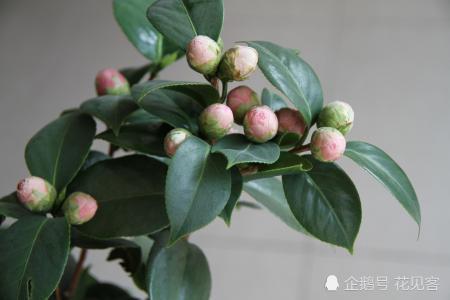
Autumn fertilization for camellias has its tricks: once every 7 days, and by National Day they bloom big and vivid
Camellia is a flower loved by many gardening enthusiasts and is one of the top ten famous flowers. The plant has a graceful form, the leaves are deep green and glossy, and the flowers are brilliantly colorful and very beautiful! After autumn begins, the camellia enters an important bud-setting period and needs to absorb a large amount of water...
-

Sunflower Fertilization Techniques: Key Points and Methods Explained
Environmental Requirements. Sunflowers have strong tolerance to low temperatures at both the seedling stage and the mature stage. Seeds begin to swell and sprout at 2°C-4°C, can germinate at 4°C, can emerge at 5°C, and 8°C-10°C is sufficient for normal emergence. Seedlings can withstand several hours at -4°C and can still recover after the low temperature...
-
Detailed Explanation of Key Points for Irrigation and Fertilization Techniques for Mango Trees
For every 1000 kg of fresh mangoes produced, N: 1.74 kg, P2O5: 0.23 kg, K2O: 2.0 kg are required. The greatest demand is for potassium, followed by nitrogen and phosphorus. In production, nitrogen, phosphorus, and potassium fertilizers are generally applied at a ratio of N:P2O5:K2O = 1:0.5:0.5 to 1, but for mangoes of different tree ages, in different regions, and at different yield levels...
-
What are the key points to note for high-yield fertilization of mango
For high-yield mango cultivation, the first step is to select good varieties. After the grafted seedlings survive, timely management measures such as expanding the planting holes and deep plowing, as well as pest and disease control, should be carried out. Scientific and rational fertilization runs through the entire tree age cycle and is an important link related to high yield and good fruit quality. Points to note: 1. Young mango trees have small root systems and fibrous roots...
-
Key Technical Points and Fertilization Methods for Topdressing Summer Peanuts
Fertilization should follow the "two topdressings, one spray, four supplements" approach. Specifically: the two topdressings are, first, early topdressing before the peanut plants form a full cluster, with 10 kg urea, 15 kg diammonium phosphate and 10 kg potassium chloride; the second topdressing is at the early stage of young pod swelling, generally 10 kg urea per mu. The one spray is in the late growth stage, per mu...
条件筛选