-
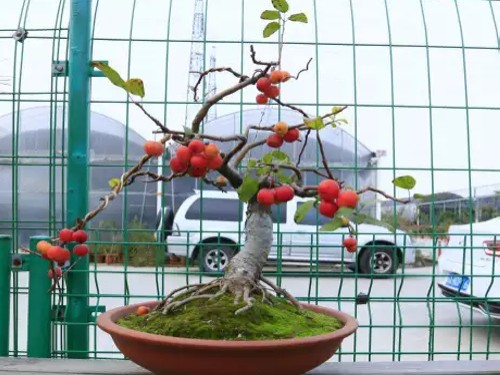
Detailed Guide to Making a Winter Red Fruit Bonsai
Winter red fruit, also known as longevity fruit, is a deciduous shrub or small tree of the genus Malus in the rose family (Rosaceae). Its branches are grayish-brown, with alternate single leaves that are oval to broadly oval, green, and have rounded blunt serrations along the edges. The inflorescence is a corymb, with light pink flowers that bloom in March-April. The fruit is oval-spherical, initially green, later gradually turning yellow
-
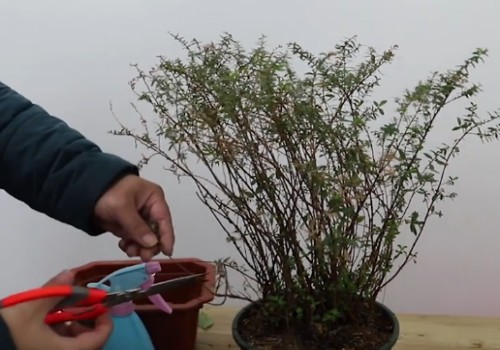
What are the winter care methods for baby's breath?
Baby's breath (Gypsophila) is a flowering plant with very delicate and beautiful blooms, and its natural flowering season is usually in summer, from June to August. When it blooms, it is just like the countless stars in the summer night sky, decorating the sky beautifully. If the growing environment is suitable and care is done well, it may even bloom in all four seasons
-
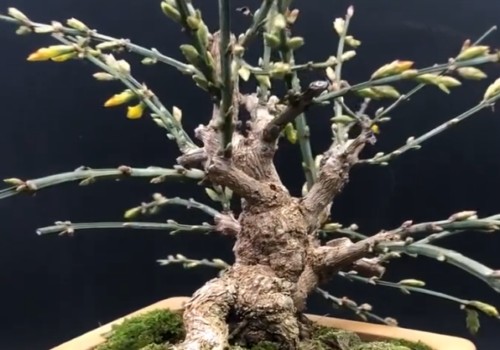
What causes winter jasmine (Jasminum nudiflorum) to fail to bloom
Spring is the peak growing season for winter jasmine, and it is also its flowering season. If we want the plant to grow vigorously and bloom brilliantly, we must provide it with a suitable care environment and also do a good job of care and management. But if we encounter a situation where winter jasmine does not bloom
-
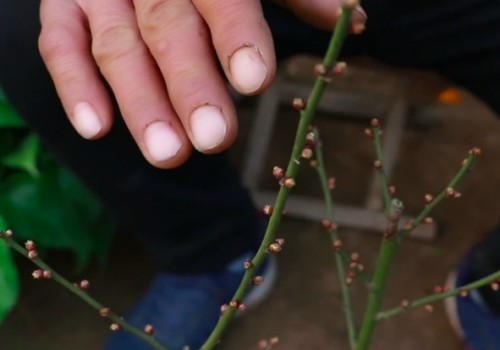
How to care for a bonsai plum blossom in winter so it can overwinter safely?
Plum blossoms usually bloom at the turn of winter and spring. Because their flowers are very fragrant, colorful and lovely, they are often quite suitable for ordinary people to grow as potted plants at home. But in the eyes of bonsai masters, the plum blossom is an excellent material for making bonsai.
-
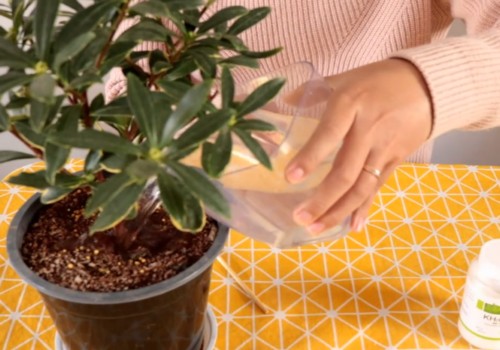
Care Methods for Daphne odora 'Aureomarginata' During the Winter Budding Period
Daphne odora 'Aureomarginata' is a very easy-to-grow flowering plant, not only with high ornamental value, but also with a particularly rich fragrance. In addition, it prefers a semi-shaded growing environment, so it is perfect to keep it as a houseplant indoors. It can fill the room with fragrance while we enjoy its flowers.
-
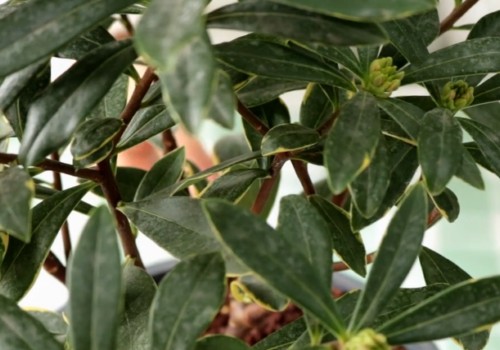
Why does winter daphne have flower buds but refuse to bloom
Winter daphne (Daphne odora) is deeply loved by the public for its fragrant and gorgeous blooms. Keeping it as a potted plant at home not only provides ornamental value but also releases a rich fragrance that fills the entire living environment. So this flowering plant can be seen in many households and is very practical. Many gardening friends get so overjoyed at the first sight of winter daphne growing flower buds
-
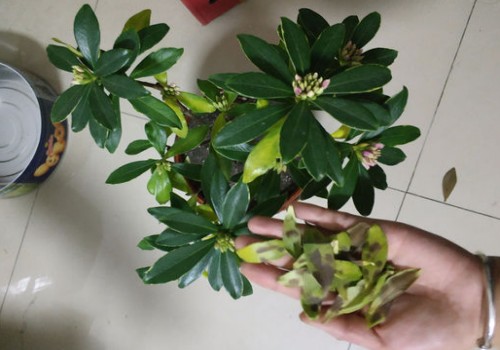
What causes root rot in winter daphne (Daphne odora)?
Winter daphne blooms beautifully and has a rich fragrance, and it is also shade-tolerant and prefers partial shade, so it is very suitable for growing indoors as a potted plant. As long as it gets enough scattered light, it will not grow poorly from lack of light. But the roots and stems of winter daphne are fleshy, so root rot happens very easily.
-
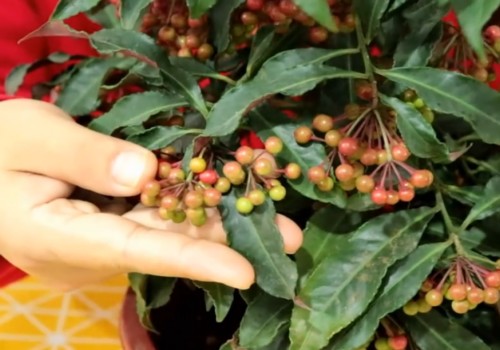
Detailed Guide to Winter Care Methods for the Gold and Silver Flower
The Gold and Silver Flower (Ardisia crenata) is highly ornamental because of its lustrous red berries, and growing it as a potted plant makes it very attractive to look at. Moreover, it is a Spring Festival flowering plant, widely used during the Chinese New Year period, carrying the beautiful meaning of good fortune and wealth, while also adding to the festive joy. So, how do you care for the Gold and Silver Flower in winter?
-
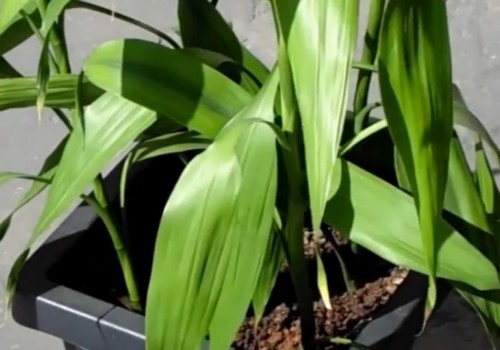
How to care for Lucky Bamboo in winter? Detailed winter care methods
Lucky Bamboo (Dracaena sanderiana) is not only suitable for foliage viewing, but also carries auspicious and beautiful meanings, so many households grow it. However, plants that were growing perfectly well through spring, summer and autumn tend to develop yellow leaves more easily after winter arrives, and may even die. Keeping warm and protecting against the cold
-
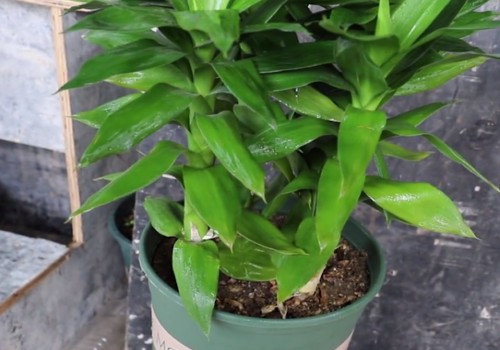
How to care for lucky bamboo in winter so it survives the cold safely
Lucky bamboo is an evergreen plant very popular with home container growers, and it can be grown both in water and in soil. The only thing is, growing lucky bamboo in water is somewhat harder than growing it in soil if you want good results, and its growth is also somewhat weaker than that of soil-grown plants. The biggest difficulties faced by water-grown lucky bamboo are rooting and yellowing leaves
条件筛选