-
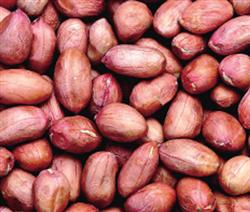
Using chlorpyrifos for peanut seed dressing can effectively control insect pests
Peanut seed dressing without insect damage - chlorpyrifos peanut seed dressing without insect damage is a non-toxic, residue-free biological insecticide that mainly acts on the nervous system of soil-dwelling pests, causing metabolic disorders so they stop feeding and die; it is especially sensitive to larvae. With one seed dressing, it remains active in the soil for more than 130 days and can effectively...
-
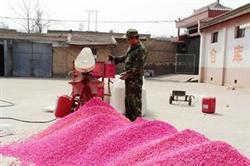
Opinions on the Prevention and Control of Diseases, Insects and Weeds during the Sowing and Seedling Stages of Wheat
Seed dressing of wheat can prevent soil-borne and seed-borne diseases such as take-all, root rot, sheath blight and loose smut, as well as some insect pests. When dressing seed, note the following: 1. The type of pesticide should be determined according to the occurrence of diseases and insect pests. If insect pests occur only slightly during the wheat seedling stage while diseases occur relatively severely, dressing seed with a fungicide alone is sufficient, and there is no need to use an insecticide...
-
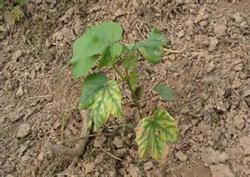
What to Do When Insect-Resistant Cotton Gets "Cancer"? A Full Analysis of Mitigation Methods
Cotton fusarium wilt is what farmers habitually call "cancer." In any field where this disease has appeared, planting cotton again often easily brings the "cancer" back, and it may even become more severe year after year. This is because once such pathogens lurk in the soil, they are difficult to eradicate, and when suitable climatic conditions occur, they easily flare up again....
-
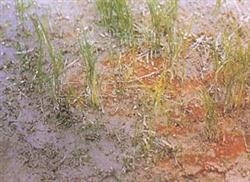
Green control methods for rice diseases, insect pests and weeds
Rice seedling rot refers to the death of rice seeds and seedlings during the seedling-bed stage (that is, seed rot, bud rot and seedling death), and can be divided into two major categories: physiological and infectious. Physiological seedling rot refers to that caused purely by adverse environmental conditions; infectious seedling rot mostly refers to adverse environmental conditions inducing weakly parasitic fungi such as Pythium, Achlya, Fusarium and Rhizoctonia...
-
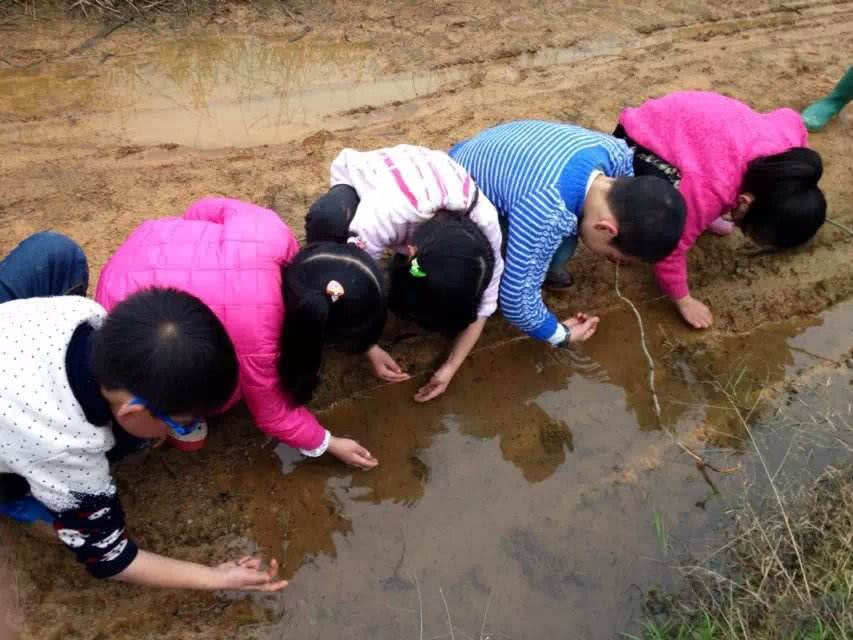
This beneficial insect in the water is a favorite of people from Guangxi, China, and makes a superb stew, yet outsiders dare not eat it.
In rural areas there are all kinds of wild plants and wild animals, some beneficial and some harmful. Farmer friends always protect the beneficial insects, while they kill the harmful ones. Beneficial insects are naturally those that...
-

What are the methods for clearing root mealybugs and common scale insects?
Text and images: Curator. I have been fighting "root mealybugs" and "common scale insects" for a year now, so let me sum up my experience for everyone's reference~ I first discovered them five years ago, and at that time I did not understand much, so it passed vaguely...
-
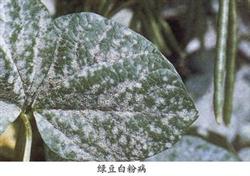
What are the effective methods to prevent mung beans from being damaged by insects?
Symptoms: Mung bean powdery mildew affects leaves, stems and pods. When leaves are affected, scattered white powdery mildew spots appear on the surface; when the climate is suitable, the diseased leaves are covered with white powdery material, and in severe cases the leaves turn yellow and drop early. When young pods are affected, they become deformed, with white powdery material on the surface, and later black...
-
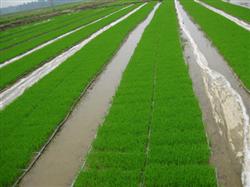
How to fertilize rice seedlings during Awakening of Insects
"Thunder rumbles in spring, and all things grow." Since ancient times, our country has attached great importance to the Awakening of Insects solar term, and many farming activities begin from this point, with the most important farming activity being none other than "sowing seeds and raising seedlings." The Awakening of Insects period marks the season for rice seedling cultivation. As the saying goes, "Good seedlings make half the crop." To achieve high rice yields, the first step is to cultivate enough...
-
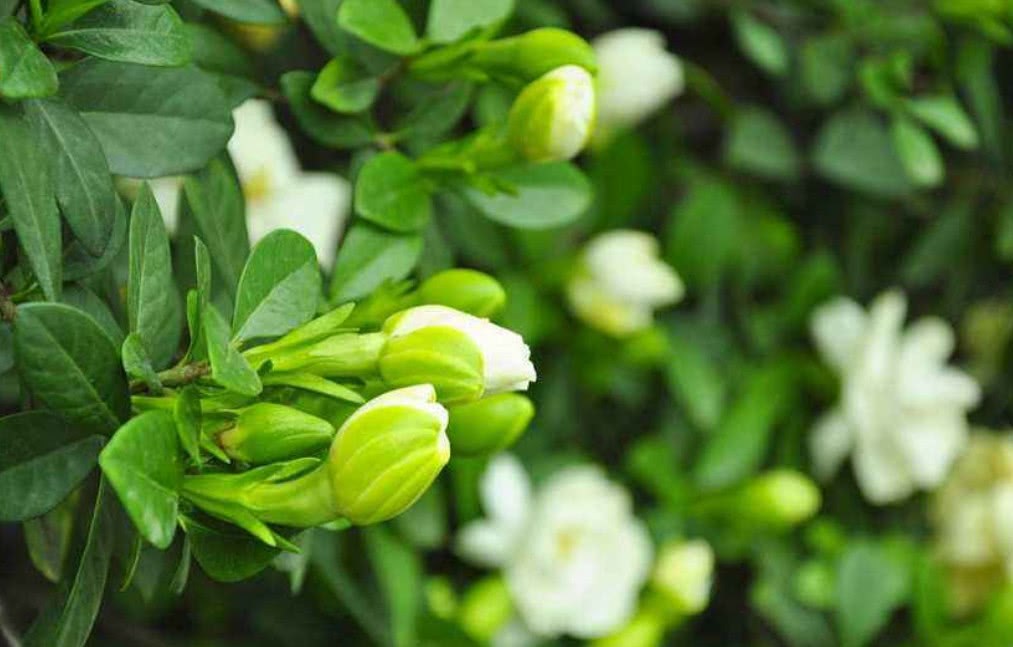
What to do when gardenia is harmed by scale insects? A few tricks to easily prevent and control them
Gardenia flowers are pure white with a rich fragrance, deeply loved by flower growers. But growers often find that their gardenias are constantly attacked by scale insects. Scale insects lay their eggs in the soil, and their larvae are mostly snow-white willow...
-
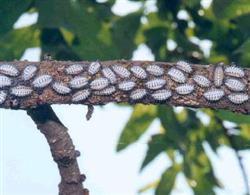
How to control scale insects on plum trees? Practical methods here
How to control scale insects on plum trees? Please introduce methods. Plum tree scale insect control methods: 1. Do a good job of winter pruning and orchard cleaning to reduce the population density the following year, and spray 5-degree lime sulfur mixture before bud break. 2. Trunk smearing method for control: ① Apply a 5-fold dilution of commercially available laundry detergent evenly to the infested trunk. ② Mix 5 parts commercially available kerosene, 1 part laundry detergent, and 6 parts water, and apply evenly to the infested trunk...
条件筛选