-

Inoculation Techniques for Wood Ear Mushrooms
Inoculation is the process of introducing artificially cultivated mycelium into sun-dried wood logs, allowing it to develop and colonize within the logs and grow fruiting bodies. This is the most critical step in artificial cultivation of wood ear mushrooms and a major technical innovation in production. It takes effect quickly,
-
What are the latest inoculation methods for shiitake mushrooms? A detailed explanation in one article
Shiitake mushroom is the world's second largest edible fungus and one of the edible fungi unique to our country. It is delicious and nutritious, and is cultivated in all regions of our country. When cultivating shiitake mushrooms, the first thing to do is mycelium inoculation, so how should shiitake mushrooms be inoculated? Let's take a look together
-
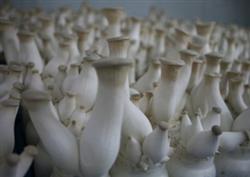
Detailed Explanation of Improved Inoculation Methods for King Oyster Mushroom
Cultivation season: The king oyster mushroom (Pleurotus eryngii) is a medium-to-low temperature mushroom. The optimum temperature for mycelial growth is 23-25°C, and the optimum temperature for fruiting is 12-18°C. Below 8°C, primordia do not form, and above 20°C, deformities are likely. Based on these characteristics, inoculation for the cultivation season can generally be carried out in September-October; after 45-50 days of culture, fruiting occurs around November. Raw material preparation...
-
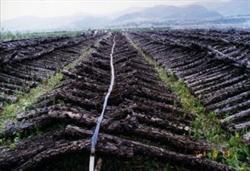
Inoculation Techniques for Wood Ear Mushrooms
1. The mist irrigation system consists of main, branch, and capillary three-level high-pressure polyethylene plastic pipes, micro atomizing nozzles, and pipe fittings. The main pipe diameter is 40-50 mm, the branch pipe diameter is 25-32 mm, and the capillary pipe diameter is 10-12 mm. During installation, the main pipe is connected to the water source and is perpendicular to the branch pipes; the branch pipes are perpendicular to each row of mushroom logs; the capillary pipes (generally 15...
-
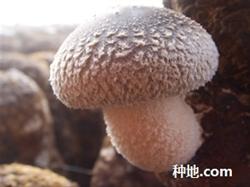
How to inoculate shiitake mushrooms? Detailed inoculation method and steps
How do you inoculate shiitake mushrooms? Please guide. 1. Dense inoculation method: increase the inoculation points on the log; the more inoculation points, the larger the colonized area, and the mycelium can penetrate the log in a shorter time. The log mainly exchanges gases with the outside by absorbing and evaporating water; the alternating wet and dry water movement can give the inside of the log sufficient...
-
Detailed Explanation of Wood Ear Mushroom Inoculation Techniques: Master the Key Operational Steps
There are many raw materials suitable for bag cultivation of Auricularia polytricha (hairy wood ear), such as mixed wood sawdust, cottonseed hulls, broken cottonseed, bagasse, mulberry branches, cassava stalks, rice straw, soybean stalks, peanut vines, and so on. Except for mixed wood sawdust, cottonseed hulls, broken cottonseed, and bagasse, the remaining raw materials must be crushed into powder before they can be used for production. The bag cultivation process for Auricularia polytricha is similar to that for golden needle mushroom (Flammulina velutipes) bags...
-
How to reduce contamination in edible mushroom inoculation? Five practical methods to help you solve it
Autumn and winter are the golden seasons for producing edible mushrooms, but every year, inoculation contamination causes economic losses of around 20% for mushroom growers. Using the following 5 methods can reduce the inoculation contamination rate. 1. Bottled fermented material: Fill fermented material 1 to 2 cm deep above the culture medium at 4 cm from the bottle mouth, then sterilize. Its advantages are that contaminating bacteria are less likely to infect the culture medium, and the spawn age is consistent. 2. Wheat grain germination method: Let wheat grains germinate before bottling and sterilizing. That is, let the wheat grains used for spawn germinate all at once, with sprouts 1 to 2 times the length of the wheat grains, then fully sun-dry and store. One day before making the spawn, soak the wheat grains for 12 hours and directly bottle and sterilize. Its advantages are that the process of boiling the wheat grains is omitted, mycelium grows quickly, and there are fewer contaminating bacteria. The contamination rate is 2% to 3%.
-
Which type of inoculation tent works well for edible mushroom inoculation
1. Construction. The mosquito-net-style plastic inoculation tent is made from 3 m wide, 0.5 mm thick agricultural plastic film, and the specifications of the inoculation tent are 3 m long, 3 m wide and 3 m high. First cut a 13.5 m length of plastic film as the 3 m square enclosure wall of the inoculation tent, and take another 3 m length of film as the tent roof. Then use a plastic sealing machine or electric soldering iron to seal the two films along the edges, leave an overlapping joint line on one side of the tent as the door of the inoculation tent, and at the same time tie a rope at each of the 4 top corners of the inoculation tent for easy hanging. 2. Disinfection. Before use, first clean the inoculation
-
Mastering 3 inoculation methods for shiitake mushrooms can achieve high yields
Dense inoculation: Increase the inoculation points on the log; more inoculation points mean a larger colonization area, allowing the mycelium to permeate the log in a shorter time. The log mainly exchanges gases with the outside through absorbing and evaporating water; the alternating wet-dry moisture movement can provide sufficient oxygen inside the log, enabling the mycelium to penetrate deep into the log to feed, thereby accelerating log maturation and reducing the chance of contamination by competitor fungi. Deep inoculation: Deep inoculation holes hold more spawn, which helps enhance drought resistance and reduces the stimulation of temperature fluctuations outside on the spawn blocks at the bottom of the holes. The mycelium inside the spawn blocks
-
Clever inoculation of shiitake mushrooms: master the method to achieve high yields
1. Dense inoculation increases the spawn points on the log segments. More spawn points means a larger area of spawn growth, allowing the mycelium to penetrate deep into the log segments and feed within a shorter time, reducing the chance of contamination by competitor fungi. 2. Deep inoculation: deeper spawn holes hold more spawn, which helps enhance drought resistance and reduces the stimulation of external temperature differences on the spawn blocks at the bottom of the holes. Under constant temperature and humidity, the mycelium inside the spawn blocks germinates quickly, and the survival rate improves. Drilling deeper holes increases the tangential depth of the wood, greatly raising the yield. 3. Early inoculation: under low-temperature conditions, the density and activity of competitor fungi in the air are low,
条件筛选