-
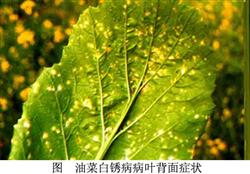
Five key steps for transplanting rapeseed on stubble fields
1. Symptom characteristics. Rapeseed white rust mainly infects leaves, stems, flower stalks and floral organs. The symptoms on leaves and stems are characterized by blister-like lesions. The blister surface is white or milky white, slightly raised, small (ranging from 1 to 3 mm), and numerous; after rupturing, it releases a white powdery substance (the sign of disease), eventually causing the leaves to turn yellow and drop early....
-
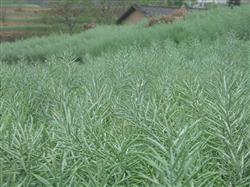
Weed Occurrence Characteristics and Control Methods in Rapeseed Fields
To obtain high quality and high yield in cultivated rapeseed, in addition to normal management such as timely sowing to secure seedlings, weeding and reducing waterlogging, skillful fertilizer application is the key to high yield. 1. Apply sufficient base fertilizer. Applying sufficient base fertilizer is the foundation for high rapeseed yield and should account for about 60% of the total for the whole growing period. To achieve a yield target of about 250 kg per mu, for medium-fertility...
-
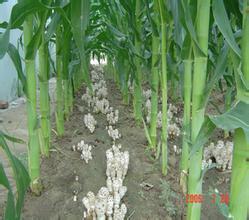
Key Technical Points for Intercropping Shaggy Mane Mushrooms in Pepper Fields
Intercropping shaggy mane mushrooms (Coprinus comatus) in pepper fields is a good way to cultivate them in a semi-wild manner. It can save the expense of building mushroom houses, does not take up extra space, and can greatly increase the economic benefit per unit of land area. Generally, after the peppers are planted, trenches are dug in the middle of the pepper rows, material is laid, and mushroom spawn is scattered. For the convenience of managing and harvesting the mushrooms...
-
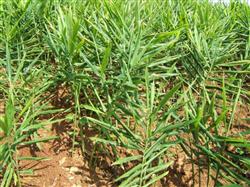
What method works well for weeding ginger fields
How should weeds be controlled in a ginger field? Please give guidance. During the growth of ginger, a large number of weeds compete with ginger seedlings for fertilizer, water and sunlight, so the ginger seedlings cannot get normal nutrition and grow poorly, causing reduced yields. Therefore, at the seedling stage, timely weeding is an important management measure, but pulling weeds by hand is labor-intensive and takes a lot of work...
-
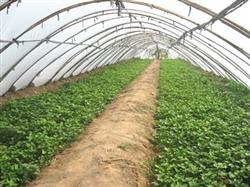
How can weeds in sweet potato fields be effectively cleared during cultivation?
How do you remove weeds when growing sweet potatoes? Please give guidance. Sweet potato fields can be weeded as follows: 1. Caochangmie (Rekela) 70% wettable powder, 200-250 grams per mu mixed with 450-600 liters of water, applied before planting sweet potatoes or immediately after planting. It mainly controls Alopecurus aequalis, Digitaria sanguinalis, Echinochloa crus-galli, Setaria viridis, Lolium perenne, Chenopodium album, Polygonum, ...
-
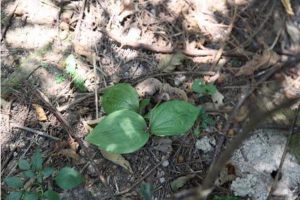
The plant world's styptic is found everywhere in the fields, yet many people do not recognize it.
In the past, many children were what you would call wild kids, never staying at home, playing outside all day long. Especially children living in the countryside, they could often be seen in the fields and among the grass. In groups, either chasing and romping together, or playing hide-and-seek and catching grasshoppers together, it was so much fun. That kind of childhood was truly a fun childhood.
-
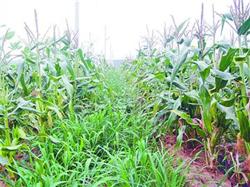
How to remove weeds in summer corn fields? A detailed guide to practical control methods
How to remove weeds in summer corn fields? Please explain the methods. Summer corn and weeds both grow quickly and in concentrated flushes. Corn seedlings suffer the most severe weed damage during the seedling stage; in the mid-to-late stage, corn can form a tall, dense canopy, and weed emergence and growth are suppressed, with little impact on yield. Weed control in corn fields should focus on the two key periods after sowing before seedling emergence and early post-emergence. The integrated weed control plans for the different periods are as follows:
-
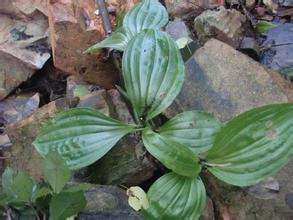
This plant, seen everywhere in the fields, is called the hemostatic of the plant kingdom, yet many people do not recognize it.
In the past, many children were what you would call wild kids, never staying at home and playing outside all day long. Especially children living in the countryside, their figures could often be seen in the fields and among the grass. In groups, not in...
-

-
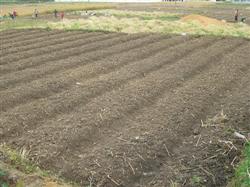
What are the key technical points for planting bamboo fungus (Dictyophora indusiata) in open fields?
How do you plant bamboo fungus in open fields? Here is a detailed introduction. For open-field planting of bamboo fungus, you can refer to the following methods: 1. Cultivation season. "D89 Dictyophora indusiata" is a mesophilic fungus, and the cultivation period is when the local temperature is stable at 8-28 degrees C. In our city, February to April is generally the sowing period, and May to October (temperature not lower than 16 degrees C) is the mushroom growth...
条件筛选