-

Technical Key Points and Implementation Methods for the Improvement of Abandoned Jujube Orchards
1 Breaking the Hardpan, Deep Plowing, Clearing Weeds and Removing Suckers Deep plowing can clear weeds, remove excess root suckers, and increase the soil's permeability and capacity to retain water and dissolve fertilizers. It can also turn pest eggs and larvae up to the surface to be dried out by the sun or picked out and killed. Deep plowing should be carried out when the soil is suitable for cultivation; if too dry or too wet, clods easily form and the structure is destroyed. Deep plowing should also be adjusted in depth according to position: the area far from the canopy should be deeper, reaching about 20 cm; the area near the canopy should be shallower, about 10 cm. This avoids excessive root damage that would affect tree vigor. Deep plowing creates favorable conditions for root regrowth; because the jujube tree has well-developed horizontal roots with strong outward extension and regeneration capacity, damaging part of the root system will also stimulate the sprouting of more horizontal roots.
-
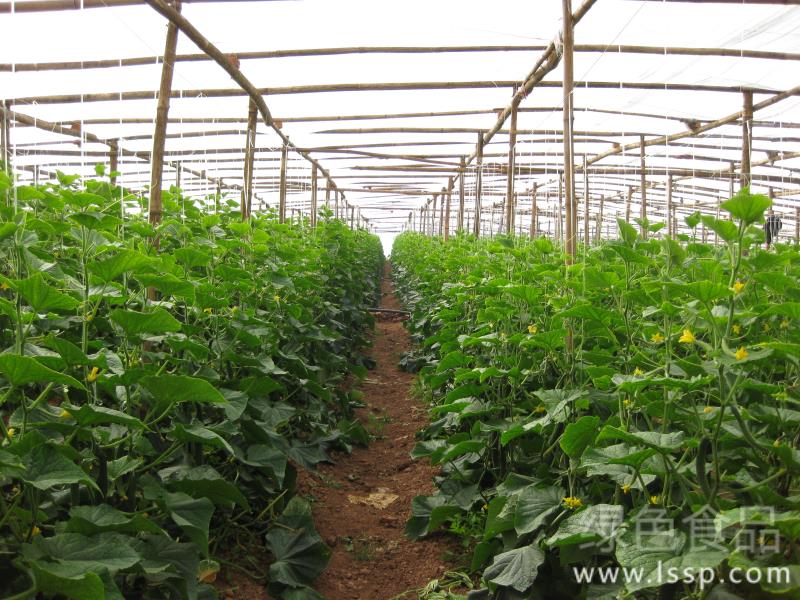
Seven measures to implement for winter management of solar greenhouses
Seven measures to strengthen winter management of solar greenhouses
-
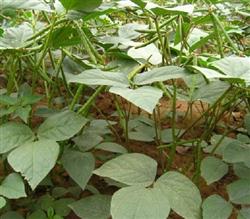
How is the fertilization and stress-response technology for mung beans implemented? A full analysis of the key points
Mung bean is a major crop in our city, with a planting area of more than 1 million mu every year and a yield of more than 110,000 tons, accounting for more than 30% of the country's annual mung bean output. Baicheng mung beans, with their large seeds, plump grains, bright color, fresh green appearance, no off-colors, no pollution, and high protein content, have become a sought-after commodity on the international market...
-
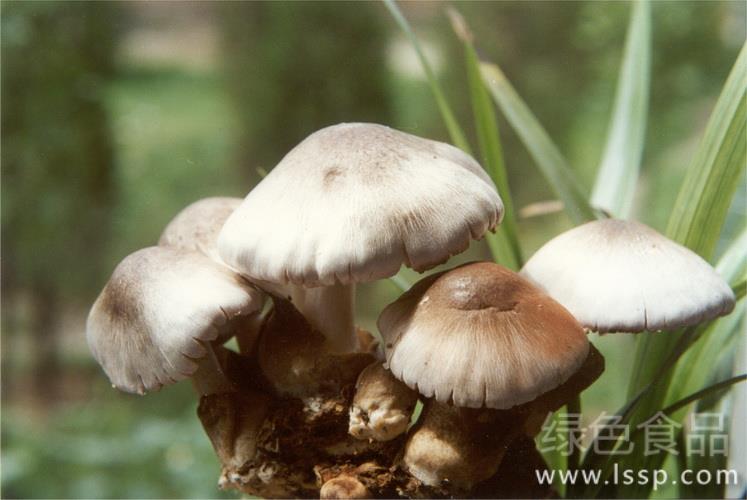
What to do about large-scale mushroom death in straw mushroom cultivation? Implement these prevention and control measures
What to do about large-scale mushroom death in straw mushroom cultivation? Prevention and control measures for straw mushroom death
-
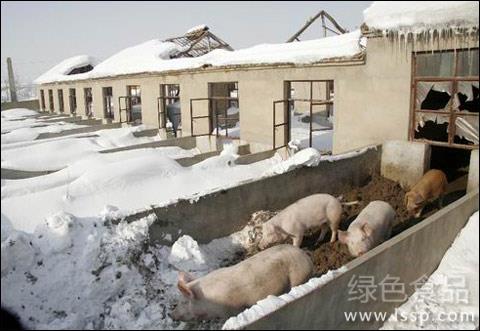
How to keep livestock and poultry warm and protected from the cold? Three measures to implement well
Take three measures to do a good job of keeping livestock and poultry warm and protected from the cold
-
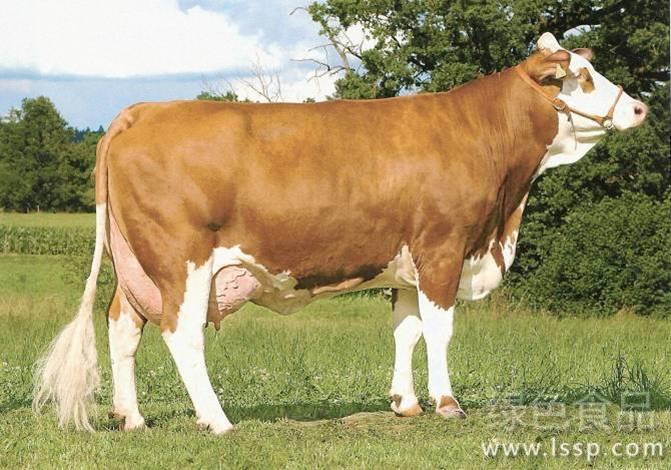
Summer high temperatures have a big impact on beef cattle, so how should cooling measures be implemented?
Summer high temperatures have a big impact on beef cattle: how to implement cooling measures for beef cattle
-
Key Technical Points and Implementation Methods for Soil and Water Conservation in Tea Gardens
Soil and Water Conservation Techniques for Tea Gardens
-
How feed enterprises can implement the ISO22000 management system
Feed enterprises implementing ISO22000
-
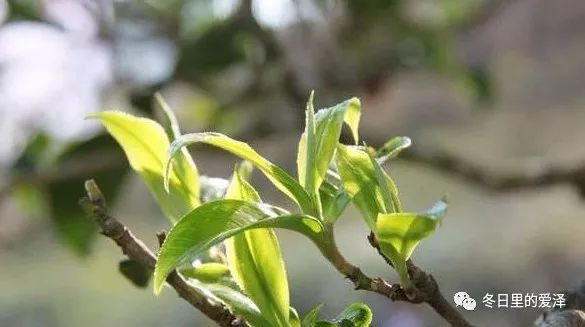
How to implement green pest and disease control in tea gardens? Technical plan for Xishuangbanna Prefecture
Green pest and disease control technology for tea gardens in Xishuangbanna Prefecture. Nowadays, no matter what crop is planted, people emphasize green health, safety and pollution-free production, etc. Today we will talk about green pest and disease control technology for tea in Xishuangbanna Prefecture, and let us look at green...
-
Detailed Explanation of Key Implementation Points for Ecological Cultivation Technology of Improved Tea Varieties
1. Selecting the tea garden site. It is required to choose a location with good environmental conditions, surrounded by forest areas, with mountains and water, fresh air, clear spring water, deep or fertile soil, slightly acidic, suitable soil or earth for tea tree growth, preferably fragrant ash soil. To produce good tea, it should be a uniquely endowed region. 2. Land clearing and preparation. First, clear trees, shrubs and stones from the ground surface; second, remove tree roots, weed roots, bamboo rhizome roots, etc.; the reclamation depth should be over 50 cm, and perennial weed perennial roots and vine root systems must be thoroughly cleared,
条件筛选