How to keep livestock and poultry warm and protected from the cold? Three measures to implement well
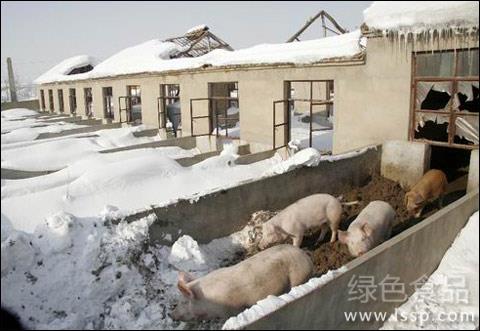
Keeping livestock and poultry warm is very important
Prolonged low-temperature cold weather can easily have a certain impact on the breeding industry. To ensure the safety of livestock and poultry, the Mancheng County Agriculture Bureau has adopted three measures to carefully do a good job of keeping livestock and poultry warm and protected from the cold.
1. Publicity and mobilization to raise awareness of prevention. Through mobile phone text messages, on-site training, and other forms, information on temperature changes and knowledge on how livestock and poultry withstand cold are sent to large-scale farms and breeders. They are required to attach great importance to the impact of low-temperature weather on livestock and poultry production, raise their awareness of prevention, eliminate any mentality of leaving things to chance, keep abreast of conditions at all times, and promptly adopt countermeasures.
2. Technical guidance to strengthen preventive measures. Animal husbandry technicians are organized to go into farms and households to provide technical guidance on keeping livestock and poultry warm and protected from the cold. First, inspect and repair pens to keep them warm and protected from the cold. Measures are taken to improve the cold-proof and heat-insulating performance of livestock and poultry pens, raise the temperature inside the pens, and ensure that livestock and poultry have a suitable environment for activity. Second, manage carefully and do a good job of sanitation. Pens should be cleaned frequently, bedding straw should be changed often, and sewage and manure should be removed promptly and thoroughly; doors and windows should be closed properly to prevent a sharp drop in the temperature inside livestock and poultry houses, and attention should be paid to timely ventilation and air exchange inside the houses. Third, strengthen nutrition to guard against and withstand the cold. Increase energy feed by 10-20% to meet nutritional needs and improve the ability to withstand the cold. Fourth, disinfect regularly and breed healthily. Regularly carry out routine disinfection of pens to improve the immunity and disease resistance of livestock and poultry, and promptly carry out harmless treatment of dead and diseased livestock and poultry.
3. Implement responsibilities to ensure the effectiveness of prevention. It is essential to strengthen quarantine supervision and epidemic monitoring of livestock and poultry, implement a 24-hour duty system and a leadership shift system, always pay attention to weather changes, implement all preventive measures well, and promote the healthy and rapid development of the animal husbandry industry.