Flower Classification Methods and Common Categories Explained
I. Classification by Ecological Habits
When classified by ecological habits, flowers can be divided into annual and biennial flowers, such as moss rose; bulbous flowers, such as hyacinth; perennial flowers, such as Chinese peony; succulents, such as cactus; indoor foliage plants, such as arrowroot; orchid family flowers, such as Phalaenopsis; aquatic flowers, such as lotus; and woody flowers, such as jasmine.
II. Classification by Plant Form
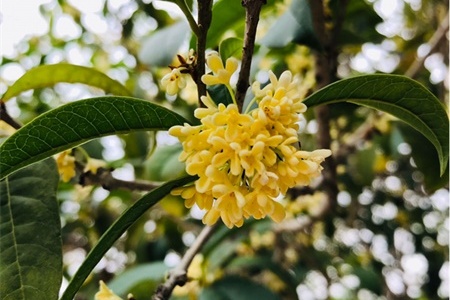
When classified by plant form, flowers can be divided into herbaceous flowers, including perennial herbaceous flowers and annual and biennial herbaceous flowers, such as chrysanthemum; and woody flowers, including trees, shrubs, and bamboos, such as osmanthus.
III. Classification by Cultivation Type
When classified by cultivation type, flowers can be divided into open-field flowers, such as flowering almond; greenhouse potted foliage plants, such as rubber tree; greenhouse potted flowering plants, such as gloxinia; cut flowers, such as gladiolus; cut foliage, such as asparagus fern; and dried flowers, such as strawflower.
IV. Classification by Use
When classified by use, flowers can be divided into cut flower types, such as carnation; potted flower types, such as geranium; and ground-planted types, such as pansy.
V. Classification by Other Methods
In addition to the classification methods above, flowers can also be classified by water requirements, such as xerophytes, semi-xerophytes, mesophytes, hygrophytes, and hydrophytes; by temperature requirements, such as cold-tolerant, cool-loving, moderate-temperature, warmth-loving, and heat-tolerant; by light requirements, such as sun-loving, neutral, and shade-loving, or short-day, long-day, and day-neutral; and by ornamental parts, such as flower ornamental, fruit ornamental, foliage ornamental, stem ornamental, and fragrant.