-
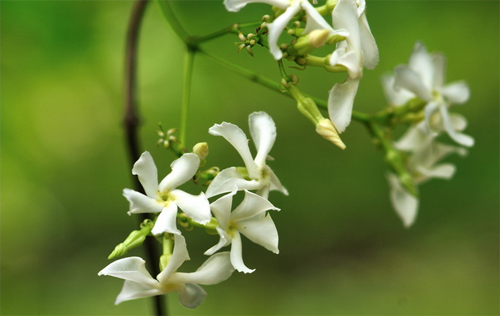
Growing Methods and Propagation Techniques for Star Jasmine (Trachelospermum jasminoides)
Star jasmine is what we call the pinwheel flower. I have seen it before; star jasmine grows with feet and loves to climb everywhere, able to cover houses, trees and the like completely. So what are the growing methods for star jasmine? How do you propagate star jasmine? Growing methods for star jasmine: soil and light. Its adaptability is very strong.
-
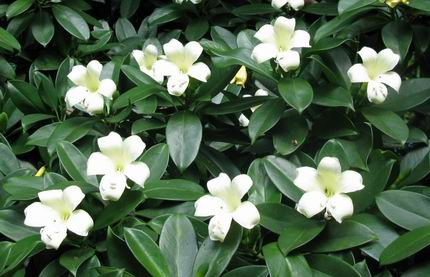
African Jasmine (Madagascar Jasmine) Growing Methods and Precautions, Detailed Explanation of Propagation and Pruning Techniques
African Jasmine is also a kind of jasmine, bearing small white flowers that look somewhat like osmanthus flowers. What are the growing methods and precautions for African Jasmine? How is African Jasmine propagated? Growing methods and precautions for African Jasmine: Soil selection - its greatest requirement for soil is good water drainage
-
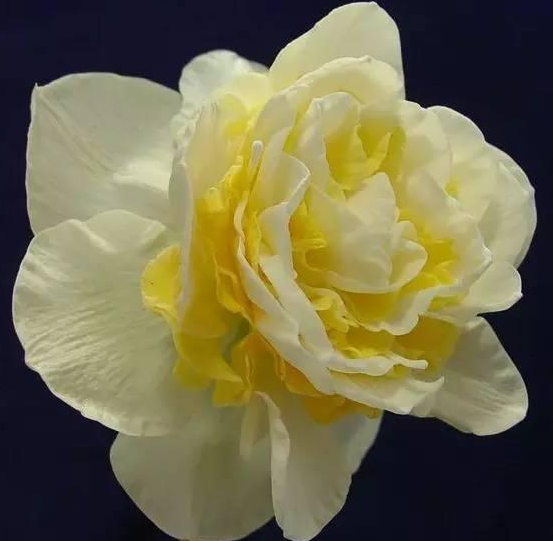
Narcissus hydroponic growing methods and techniques for controlling winter flowering time
When it comes to this narcissus, it is also very beautiful, and many people like it very much. Narcissus can be grown hydroponically or in soil. Let's see what the hydroponic method for narcissus is like? Does narcissus bloom in winter? How to control the flowering time of narcissus: Hydroponic method for narcissus: Cultivate with the shallow basin water immersion method
-
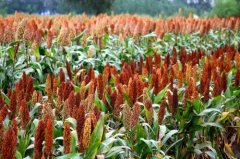
What Is Sweet Sorghum? Differences from Sorghum and a Detailed Guide to Growing Techniques
Do you know sweet sorghum? Why is sweet sorghum called sweet sorghum? Let's take a look at how it differs from sorghum. Sweet sorghum is a variety of grain sorghum and can also produce 5000-6000 kg of grain per hectare, but the seeds are smaller, with a 1000-grain weight
-
Detailed Guide to Growing Pinellia ternata: Planting Methods and Difficulty Analysis
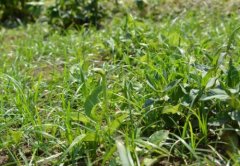
The tubers of Pinellia ternata are the source of the Chinese medicine "Banxia" (Pinellia ternata). Because it is toxic when used raw, it is mostly used only after processing. This image is taken from the Traditional Chinese version of Wikipedia and is not a specimen I grew myself. The better-known relative of Pinellia ternata is generally the plant commonly known as "plowshare grass," Typhonium divaricatum (Typhonium blumei).
-
Introduction to blackberry growing conditions and cultivation techniques: are blackberries easy to grow?
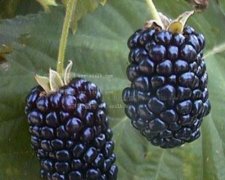
Blackberries planted in the same year can bear fruit in that same year, and generally enter the full-production period in the 3rd year, with yield per mu stabilizing at around 1750 kg. They are rich in sugar, fruit acids and various vitamins, and also contain various mineral elements, with effects such as anti-aging and improving human immunity. So how are blackberries
-
How to Grow Chili Pepper Seeds? A Detailed Guide to Growing Techniques and Methods
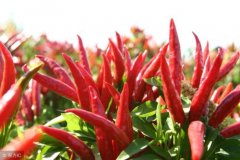
We all know chili peppers; this kind of pepper is very popular in Sichuan, Chengdu, and Guizhou, which is also the market value of growing it. So how do you grow chili peppers, and how can you grow them for high yield? As a superior cash crop, chili peppers
-

A Detailed Guide to the New Bag-Cultivation Method and Growing Techniques for Straw Mushroom
Straw mushroom cultivation originated in South China and was later spread by overseas Chinese to Southeast Asia and parts of Africa; it has a cultivation history of more than 200 years to date. Its flesh is plump, tender and crisp-smooth, its flavor is delicious, and it has high nutritional value, containing abundant protein, essential amino acids for the human body, and vitamin C. Regularly eating straw mushroom can strengthen the body's immunity to disease. It also has certain anti-cancer and therapeutic effects, lowers plasma cholesterol, and has a blood-pressure-lowering effect; it is also a good food for diabetes. It is a food that is both tasty and health-promoting, and it is extremely popular in domestic and international markets
-
Detailed Guide to Impatiens Growing Methods and Care Techniques
Impatiens, also known as henna, is an annual flower native to southern China and the tropical plains of Asia. It has many varieties and rich flower colors, including red, pink, purple, yellow and white, as well as bicolor forms, and is very showy. It is generally divided into two major groups, single-petaled and double-petaled. Single-petaled plants are conical, tall and sturdy, and can reach up to 80 cm. The flowering order rises section by section from the lower part upward, and the flowering period can last up to 1 month. Double-petaled varieties are shorter, generally less than 40 cm, with a flat-topped form; at flowering, the area near the terminal bud is all flower buds, and the flowers open neatly all at once from the top to the lower part,
-
Cultivation Methods and Key Growing Techniques for Goji Berry
Goji berry is a deciduous small shrub in the Solanaceae family, also known as goji fruit, gou naizi root, and other names, and is a well-known ornamental fruit plant. Its flowering period is from June to September, and the fruiting period is from September to October. Its leaves, roots, and fruits can all be used as medicine, and when grown as a potted plant, the old roots can also be made into an exposed-root bonsai. Goji berry has a wide range of adaptability and is not strict about soil requirements. It tolerates drought, poor soil, salinity and alkalinity, and sandy wasteland, and grows best in well-ventilated sandy loam. The key points of its cultivation techniques are: propagation is often done by cuttings, and the specific method is: 1. Prepare the seedling bed. After deep plowing the seedling bed, apply
条件筛选