-
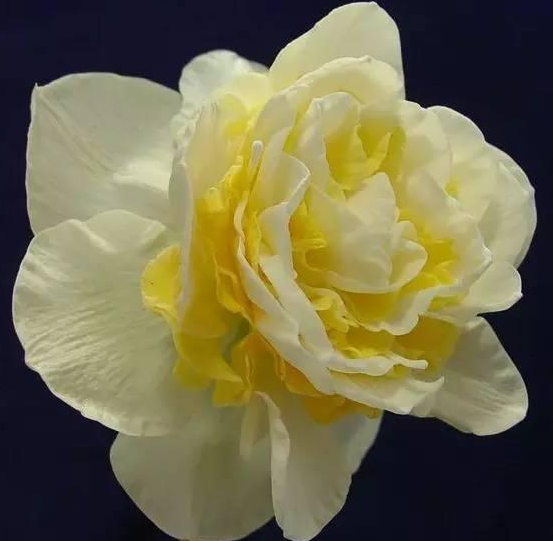
Narcissus hydroponic growing methods and techniques for controlling winter flowering time
When it comes to this narcissus, it is also very beautiful, and many people like it very much. Narcissus can be grown hydroponically or in soil. Let's see what the hydroponic method for narcissus is like? Does narcissus bloom in winter? How to control the flowering time of narcissus: Hydroponic method for narcissus: Cultivate with the shallow basin water immersion method
-
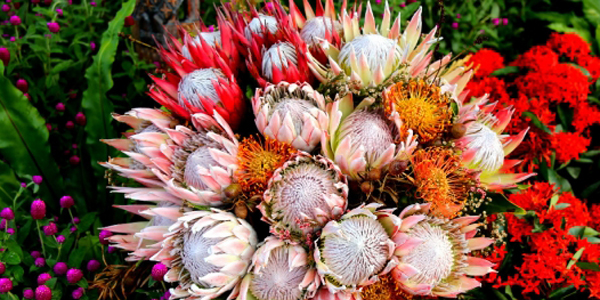
How to grow a king protea? Detailed growing methods and precautions
Many people like to grow plants at home, and the king protea is one of them. So do you know what the growing methods for the king protea are? What precautions are there? Below, the editor will teach you, let's learn together
-
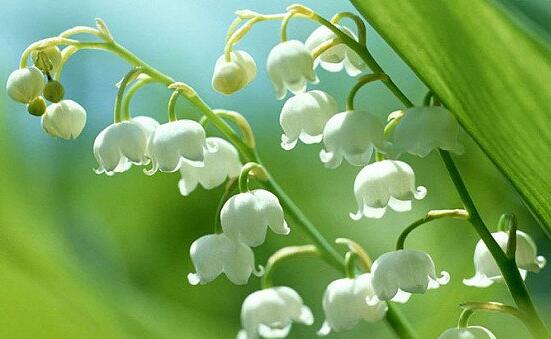
What varieties of campanula are there? An introduction to growing methods
There are many varieties of campanula, and they come in different colors too. They can be grown at home as small potted plants and have a very nice ornamental effect! So, how do you grow campanula? Let's take a look below at the growing methods for campanula.
-
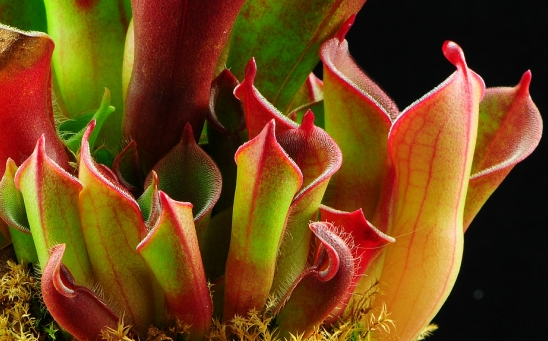
Sarracenia 'Judith' Growing Methods and Sowing Time
Sarracenia 'Judith' - don't underestimate this plant, it can actually catch pests. Let's take a look at how to grow Sarracenia 'Judith'. When to sow Sarracenia 'Judith': Sarracenia 'Judith' is a hybrid carnivorous plant variety native to the United States. Its leaves form upright or sideways-lying pitchers.
-
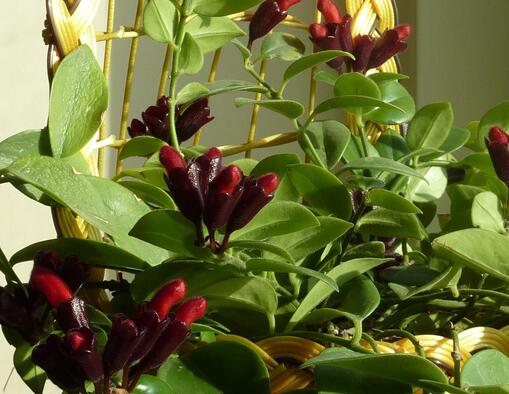
Is the lipstick plant (Aeschynanthus) toxic? Detailed growing methods and precautions
The lipstick plant (Aeschynanthus) is an evergreen climbing shrub with an epiphytic habit, often grown in hanging baskets. The leaves are opposite, ovate, elliptical or obovate, leathery and slightly succulent, dark green on the upper surface and light green beneath. The flowers are axillary or terminal in clusters. The flowers are borne in pairs at the tips of the branches, with short pedicels, the corolla is Chinese red to red-orange, and the calyx is tubular
-
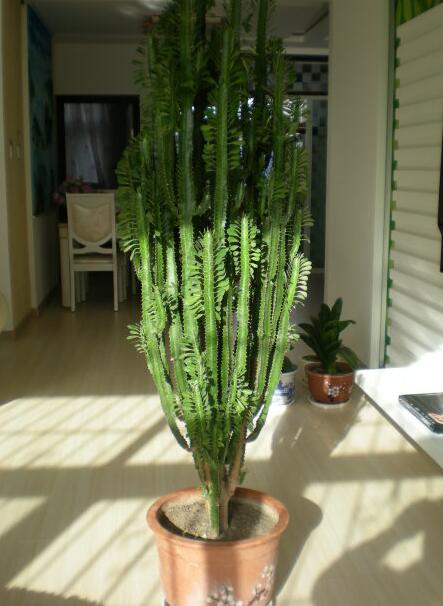
Dragon Bone Cactus (Euphorbia trigona) is best suited for growing at home; a detailed explanation of cultivation methods and precautions
Dragon Bone Cactus likes warmth and warm air. It prefers partial shade; under strong direct sunlight the plant turns yellow. The optimum growing temperature is 25-35°C. It is sensitive to low temperatures; below 5°C the stem segments rot easily. It likes fertile loam rich in humus. For potting soil, use equal parts of leaf mold, coarse sand and rotted manure mixed together.
-
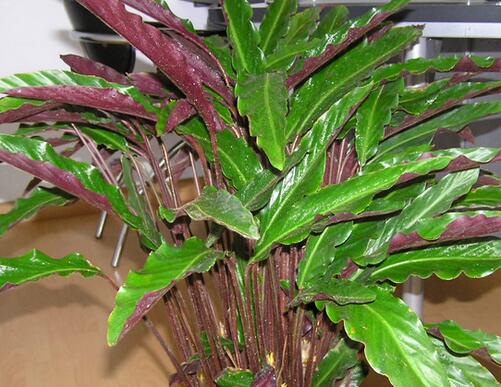
How to Grow Calathea Roseopicta? Detailed Guide to Growing Methods and Precautions
Calathea roseopicta prefers a warm, humid, shaded environment. The optimal growing temperature is 20-30°C, and the overwintering temperature is 15°C. During the growing period, water should be supplied adequately. Water promptly when the potting soil is slightly dry. If you can frequently spray water on the ground to increase air humidity, it will grow very well, but do not let the potting soil become waterlogged.
-

Kalanchoe: Detailed Guide to Techniques for Growing a Full Pot and Water Propagation Methods
Kalanchoe (Kalanchoe blossfeldiana) is a plant that many people really love. If a large pot held only a single kalanchoe plant, how lonely that would be. Let's take a look at how to grow kalanchoe into a full pot. Just propagate more and it will soon be full: stem cutting propagation. Kalanchoe can be propagated in all four seasons, as long as the temperature is above 15°C.
-
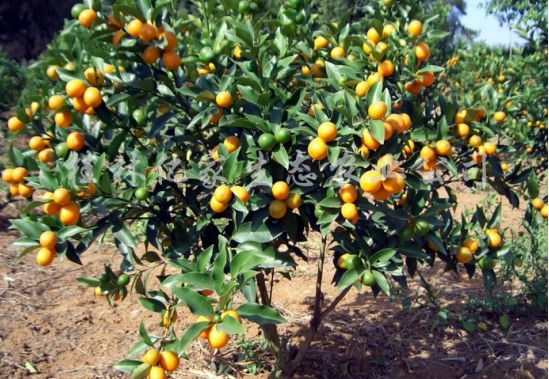
What to Do When a Kumquat Tree Drops Its Leaves? Master the Growing Methods and Precautions
Speaking of kumquats, many people really love eating them - they are truly delicious beyond words. Let's take a look at the growing methods and precautions for kumquat trees.
-

What to Do When Umbrella Papyrus Leaves Turn Yellow? Detailed Guide to Growing Methods and Precautions
When it comes to umbrella papyrus, this is a water-grown plant found in many places, and its survival rate is very high. Let's look at the growing methods and precautions for umbrella papyrus.
条件筛选