-
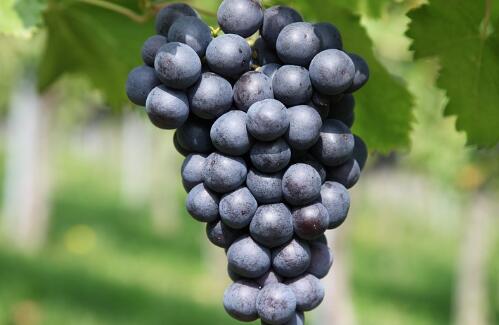
What fungicide should be used when grapes get gray mold, downy mildew, or powdery mildew?
Although greenhouses and rain shelters can reduce disease occurrence to a certain extent, when environmental humidity is too high, grapes will still get sick, and it is easy for them to catch gray mold, downy mildew, white rot, black pox, white rot, and powdery mildew
-
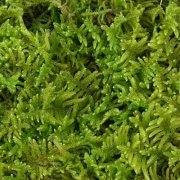
How to Grow Large Gray Moss and Small Gray Moss, Plus Greening and Care Tips
Do you like moss plants? One type of moss plant is quite common, and that is large gray moss (Hypnum plumaeforme). Large gray moss has excellent tolerance and strong survival ability. When large gray moss dries out, it turns yellowish-brown, but after being kept in water for a period of time, it will turn green again. Large gray moss
-
How to prevent and control tomato gray mold? Vegetable farmers need to master these methods
A young man surnamed Lin from a neighboring village hurried to the village to find Zhang Shu, a skilled grower, and told him that the tomatoes he planted had some unknown disease, and it was quite serious, so...
-

What to Do When Purple Shamrock Gets Gray Mold? Symptom Identification and Treatment Methods
1. Symptoms of Purple Shamrock Infection Gray mold affects the leaves and bulbs of purple shamrock. On affected leaves, yellow-brown water-soaked lesions (like scalding by boiling water) appear at the leaf margins or leaf angles, and they continuously spread inward and sink, causing the leaves to dry up; after the bulbs are affected, brown patches appear, and when temperature and humidity are suitable
-

Identification and Control Methods for Tulip Gray Mold
Tulip, also known as Dutch lotus and grass musk, originated in the high mountain regions of Iran and Turkey, developing characteristics adapted to wet and cold winters and dry and hot summers. It prefers warm, humid conditions, with cool and slightly dry summers, and is suited to sandy loam rich in humus with good drainage. Tulip is an important spring bulbous flower; short and sturdy varieties are suitable for spring flower beds, bright and eye-catching. Tall-stemmed varieties are suitable for cut flowers or for configuring flower borders, and can also be planted in clusters at the edge of lawns. Medium and short varieties are suitable for potted cultivation, embellishing indoor environments and adding a joyful atmosphere.
-
How to prevent and control gray mold in carnations? These methods are very practical
Carnation gray mold, also known as carnation flower blight, is a common disease of carnations grown in greenhouses and plastic tunnels. The disease damages the petals of the plant, causing brown spots and rot on the petals, and seriously affects the quality of cut flowers. Symptoms: The disease mainly occurs on petals and flower buds, and occasionally stems and leaves are also affected. In the early stage of the disease, affected flowers begin to show light brown water-soaked areas from the petal edges, and then several petals become tangled together by gray fungal growth. In the later stage of the disease, if the environment is humid, the petals rot, and a gray
-
Symptoms and Control Methods of Gray Mold in Carnations
[Introduction] This disease is a common disease of carnations grown in greenhouses and plastic tunnels. It can cause brown spots on petals or cause petals to rot, seriously affecting the quality of cut flowers. [Symptoms] Gray mold in carnations mainly begins at the edges of petals, where light brown water-soaked spots appear, after which several petals become entangled together by the growth of gray fungus. If the environment is humid, the petals rot and bear gray mold. When flower buds are affected, there are irregular water-soaked spots, which become soft and rot, and gray mold also develops.
-
How can cut-flower carnations be effectively protected against gray mold?
Symptoms: Elliptical, brown, large and wet spots first appear on the petals, then gray mold grows on them, and the petals and the whole flower rot as a result; the stems and flower buds can also be infected. Cause: Long-term exposure to low temperature and a humid environment. Control methods: Keep the plants as dry as possible, preferably using drip irrigation for fertilizer and water control; maintain good ventilation; spray 75% chlorothalonil at 500 times dilution, or carbendazim at 500 times dilution, alternating them, spraying once every 7 to 10 days; in the evening, a 10% procymidone
-
How to prevent and control gray mold in cut-flower carnations?
Symptoms: Initially, oval, brown, large and wet spots appear on the petals, followed by gray mold growing on them, and the petals and the entire flower then rot; the stems and flower buds can also be infected. Cause: Long-term exposure to a low-temperature and humid environment. Prevention and control methods: Keep the plants as dry as possible, preferably using drip irrigation for fertilizer and water control; maintain good ventilation; spray 75% chlorothalonil 500x solution, or carbendazim 500x solution, alternating them, spraying once every 7 to 10 days; in the evening, a 10% procymidone smoke agent can be released in the greenhouse, sealing the greenhouse overnight.
-
What are the control methods for gray mold on hydrangea?
In Zhejiang, Shanghai, Jiangsu, Hebei, Beijing and other hydrangea native areas and introduction areas, it occurs to varying degrees. It harms the flowers, flower buds and young shoots of hydrangea, Chinese rose, pomegranate, ornamental peach and many other flowering trees and shrubs, causing the affected parts to soften and rot and reducing their ornamental value. Symptoms The lesions occur mainly on the flowers. At first, water-soaked irregular small spots appear on the petals, then gradually expand and can spread over the entire corolla and inflorescence. When flower buds are affected, irregular water-soaked small spots also appear, which can expand to the entire flower bud, and finally the flower bud softens and rots and cannot open. Young shoots are
条件筛选