-
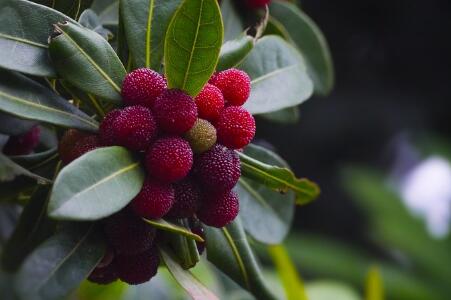
Causes and Control Methods of Gray Leaf Spot in Corn, Apple, Chinese Bayberry, Cowpea and Soybean
Gray leaf spot, also known as brown spot, speckle disease or frog-eye leaf spot, is a worldwide disease. So what are the causes and control methods of gray leaf spot in corn, apple, Chinese bayberry, cowpea and soybean? Let's take a detailed look below. Corn gray leaf spot: 1. For corn planted in early to mid-May during the sowing period
-
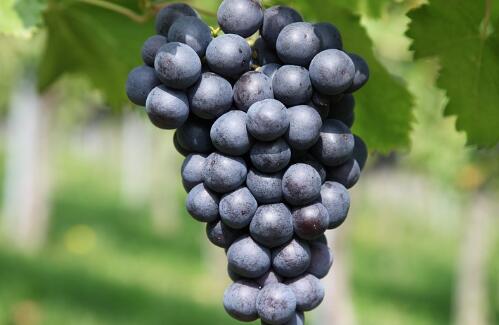
What fungicide should be used when grapes get gray mold, downy mildew, or powdery mildew?
Although greenhouses and rain shelters can reduce disease occurrence to a certain extent, when environmental humidity is too high, grapes will still get sick, and it is easy for them to catch gray mold, downy mildew, white rot, black pox, white rot, and powdery mildew
-

What to Do When Purple Shamrock Gets Gray Mold? Symptom Identification and Treatment Methods
1. Symptoms of Purple Shamrock Infection Gray mold affects the leaves and bulbs of purple shamrock. On affected leaves, yellow-brown water-soaked lesions (like scalding by boiling water) appear at the leaf margins or leaf angles, and they continuously spread inward and sink, causing the leaves to dry up; after the bulbs are affected, brown patches appear, and when temperature and humidity are suitable
-

What are the control methods for gray mold on Phalaenopsis?
Orchid gray mold, also known as orchid flower rot, occurs from time to time in flower nurseries in both southern and northern China. In addition to harming the genus Cymbidium among the Orchidaceae, it also harms ornamental plants such as Phalaenopsis, Cattleya, Dendrobium, Vanda, and Phaius. Among these, horticultural treasures such as Phalaenopsis, Cymbidium hybridum, and Cymbidium sinense suffer the most severe damage. Symptoms
-
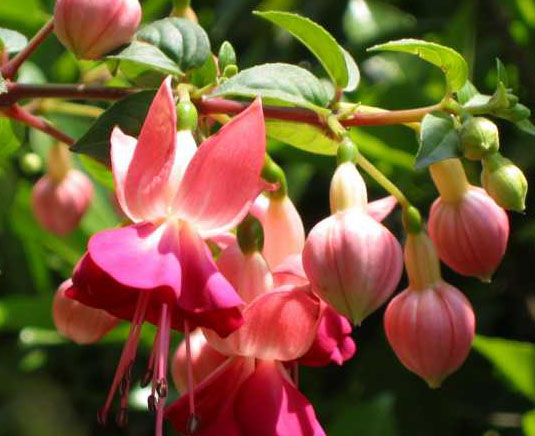
Symptoms and Control Methods of Gray Mold in Fuchsia
Symptoms and pathological changes: Gray mold is also called leaf mold. It mainly harms the leaves. The general onset period of the disease is from late April to early May, and the peak period is in early and mid-August. In July and August there is abundant rainfall and high humidity, which favors the spread of the disease. Courtyards with overly dense planting and poor cultivation management have more severe outbreaks. Generally, after suffering frost damage
-
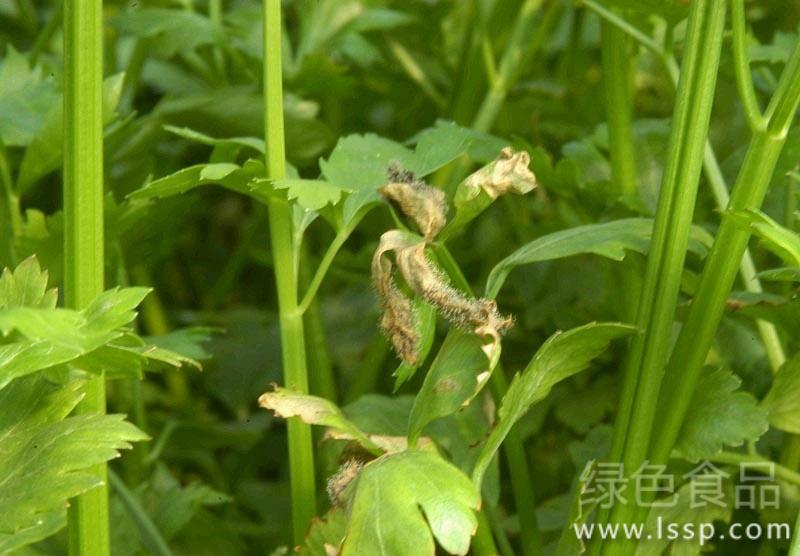
Celery leaf rot with gray mold layer, how to prevent and control gray mold
How to prevent and control celery gray mold when celery leaves rot with a gray mold layer
-
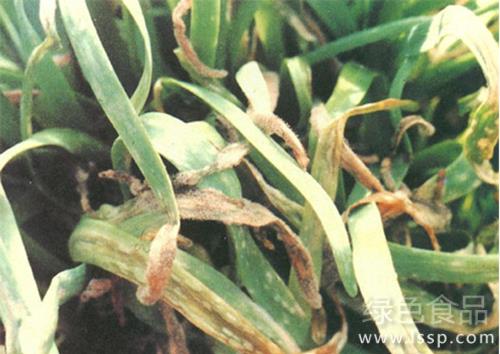
After mold appears on the leaves of Chinese chives, the whole leaf withers and scorches. How should gray mold be prevented and controlled?
Prevention and control methods for Chinese chive gray mold, where the whole leaf withers and scorches after mold appears on the leaves
-

What are the specific fungicides for strawberry gray mold? Symptoms of damage and control methods
Strawberry gray mold occurs in all strawberry-growing regions of China, and the disease has gradually worsened since the 1970s, especially in the south where the fruit-picking period coincides with the spring rain season, making the disease even more severe. It often causes a diseased fruit rate of around 30% in susceptible varieties with fruit rot, and in severe cases it can reach over 60%
-
What to Do When Cucumbers Get Gray Mold? Symptoms, Damage and Control Methods
Cucumber gray mold is a disease that occurs year-round in protected cucumber cultivation, caused by infection with the fungus Botrytis cinerea of the Deuteromycotina (Fungi Imperfecti). Vegetable growers often call it fruit rot disease or moldy rot disease. In recent years its occurrence has been increasing year by year, and because the fruit is often affected it causes rotting.
-
How to prevent and control gray mold in plants? What specific pesticides are available?
Gray mold is a fungal disease that is common in open-field and protected cultivation crops and is relatively difficult to control. It is a low-temperature and high-humidity type of disease. The growth temperature of the pathogen is 20 to 30°C. When the temperature is 20 to 25°C and the humidity remains above 90%, it is a high-incidence period for the disease. It is caused by infection with Botrytis cinerea.
条件筛选