-
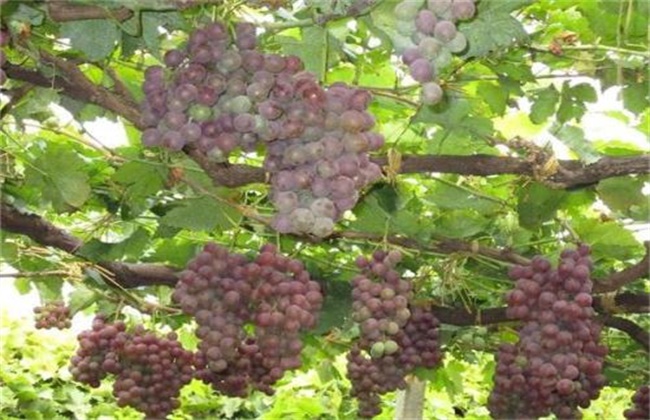
How to prevent and control grape gray mold? A full analysis of practical measures
Prevention and control measures for grape gray mold
-
Occurrence Patterns and Control Methods of Kiwifruit Gray Mold
Kiwifruit gray mold mainly occurs during the flowering stage, young fruit stage and storage period of kiwifruit. In severe years, the incidence rate in orchards and during storage can reach more than 50%. Kiwifruit gray mold has become one of the main diseases affecting the healthy development of the kiwifruit industry. 1. Symptoms When young fruit (late May to early June) is affected, residual stamens and petals are densely covered with gray spores. At the initial stage, the fuzz on young fruit turns brown, the skin is infected, and in severe cases it can cause fruit drop. Contaminated stamens and petals attach to leaves and form concentric ring lesions centered on them; the lesions expand and leaves drop. If rain occurs, the disease develops more severely. After fruit is affected, gray-brown mycelium and spores form on the surface, followed by black sclerotia. During storage, fruit is easily infected by diseased fruit.
-
Comprehensive Control Methods and Key Technical Points for Loquat Gray Leaf Spot
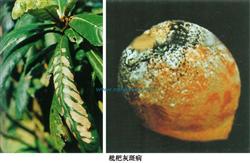
Loquat gray leaf spot, also known as "ring spot." It is the most important disease of loquat. It attacks branches, leaves, flowers, and fruit. There are two types: acute and chronic: in the chronic type, leaf spots are initially light brown circular spots; later they join into irregular large spots, with small black dots scattered on them. On young shoots, the disease starts as small water-soaked brown...
条件筛选