-
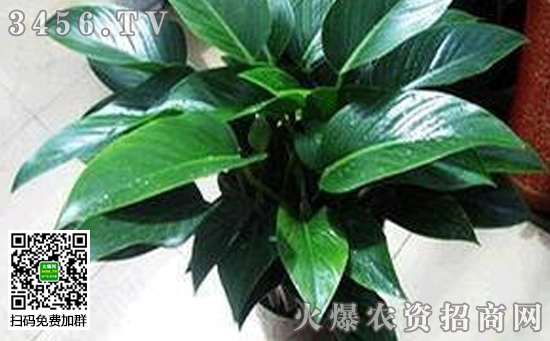
How to propagate Philodendron 'Golden Diamond' by division when it produces no offshoots?
Philodendron 'Golden Diamond' is a popular foliage plant, but its seeds are not easy to obtain, making it difficult to propagate from seedlings. If the division method is used, it is usually hard to get side shoots to sprout. The method of decapitating the plant to stimulate sprouting for propagating Philodendron 'Golden Diamond' is not only simple and easy, but also gives the best results. When temperatures are higher in summer and autumn
-
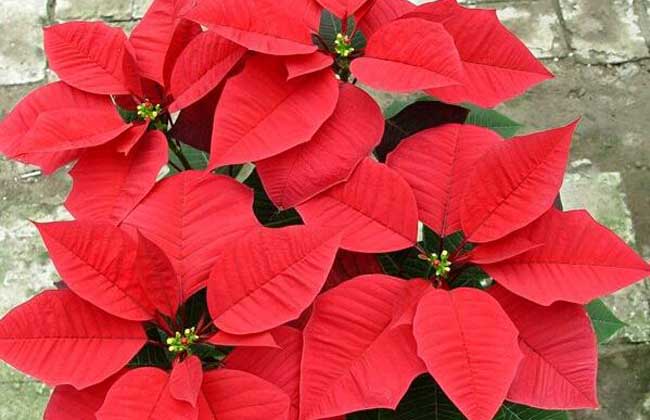
How to Propagate Poinsettia? A Detailed Guide to Common Propagation Methods
It prefers warmth, humidity and ample light. 1. Propagation methods Compared with other flowering plants that reproduce through cuttings, poinsettia is one of the most difficult to propagate by cuttings. The following introduces the important issues and precautions in the poinsettia cutting propagation process.
-

How to propagate geraniums by cuttings? Master these key tips
Geraniums are mainly propagated by cuttings. Cuttings taken in April to May will bloom in autumn; cuttings taken in September to October will bloom in winter and spring. The stems are tender, juicy and hollow, and rot very easily after cutting; the thicker the stem, the higher the rot rate. Therefore, the following points should be noted when propagating by cuttings: (1) Cutting time
-
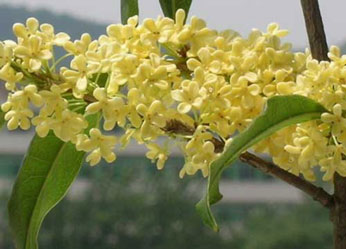
Can an orange jasmine (Murraya paniculata) that has grown too tall be pruned and the cuttings propagated?
The orange jasmine (Murraya paniculata) has grown too tall to fit indoors; can it be cut back? Can the pruned branches be used for cutting propagation? The orange jasmine (Murraya paniculata) prefers warmth and sunlight and is sensitive to cold; before the "Start of Winter" (Lidong), frost protection and warmth measures need to be taken. A plant that has grown too tall can indeed be pruned. However, branches pruned in winter
-
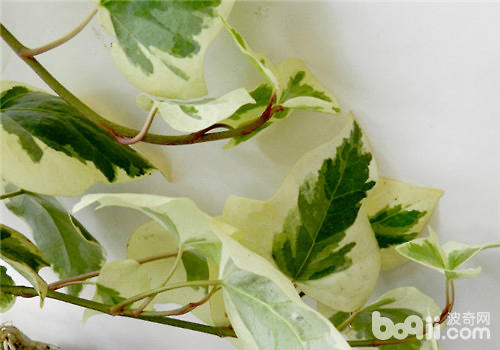
How to grow variegated ivy? Care methods and points to note
Variegated ivy is a cultivated variety of ivy. This new variegated cultivar likes a humid, semi-shaded environment. It has low fertilizer requirements; even without fertilizing for a long time it still grows well. But if too much fertilizer is applied, it will grow rapidly and become over-luxuriant, causing the elegant variegation to disappear and plain wild-type green leaves to appear
-
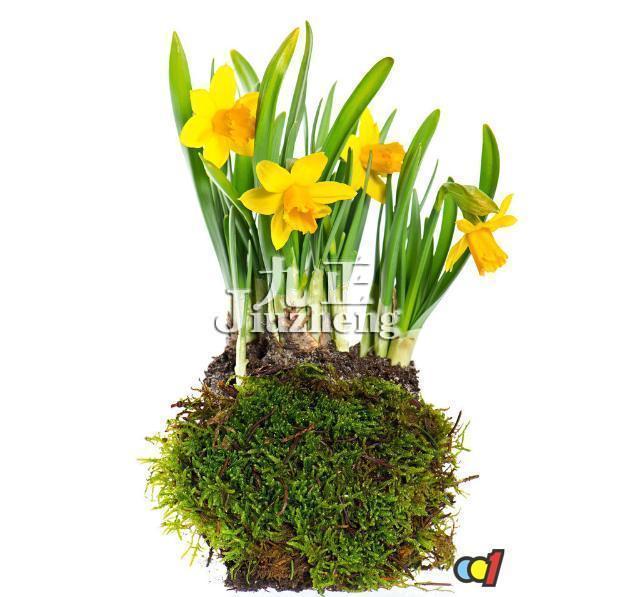
How Do Narcissus Propagate? A Detailed Guide to Common Propagation Methods
Narcissus is mainly propagated by lateral buds, lateral bulbs, twin-scaling, and tissue culture seedling production. (1) Lateral bud propagation (bulbil propagation): when scooping out the growing point of a seed bulb, dig out the lateral buds wrapped inside and use them as propagation material; in autumn, scatter them fairly evenly over a prepared raised bed and cover with a thin layer of soil. However, the bed surface should be watered thoroughly before scattering.
-
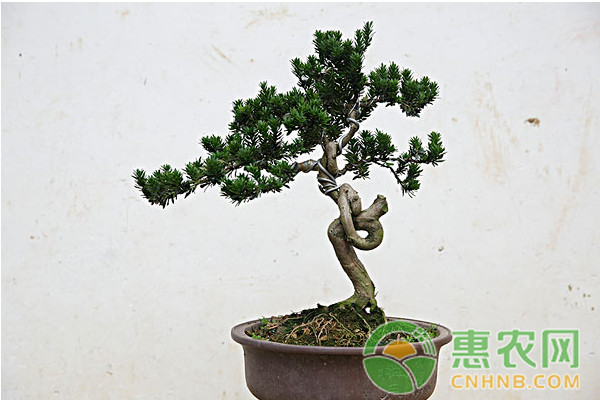
How do you propagate and care for Buddhist pine, and how do you shape it as a bonsai?
For home gardeners, the main purpose of growing Buddhist pine (Podocarpus macrophyllus) is to make stump bonsai. In its native range it grows naturally on high mountains above 1000 m altitude in the provinces south of the Yangtze, so it has a certain cold resistance and can withstand low temperatures of 0°C; it fears the intense heat of summer, and its optimum growing temperature is 15-28°C. It likes sunlight
-
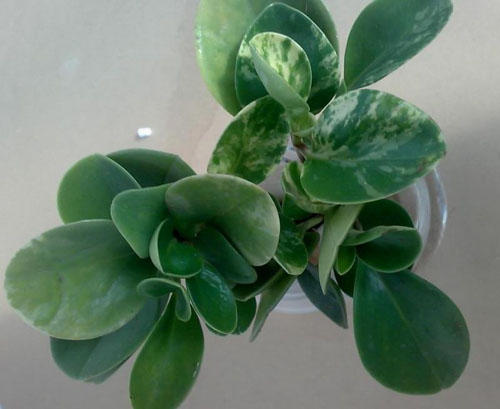
How to Propagate and Cultivate Peperomia? A Detailed Guide to the Methods
Peperomia, also known as radiator plant, is commonly cultivated in varieties such as variegated peperomia and white-leaved peperomia. Peperomia originates from the tropical regions of the Americas and prefers a warm, humid, and semi-shaded environment. The optimal growing temperature is 25-28°C. In winter, the room temperature should be kept between 10-15%, otherwise it will drop its leaves, and below 10°C it will freeze and die
-
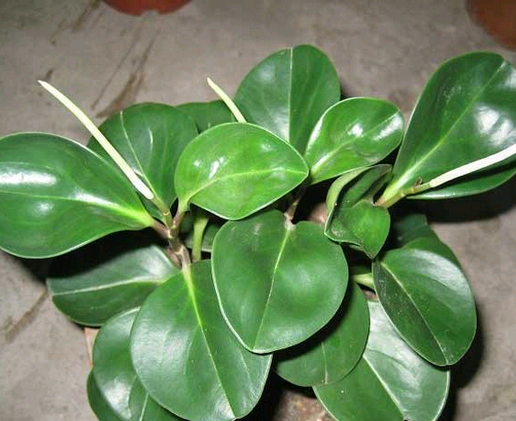
How to Propagate Peperomia? Detailed Introduction to Common Propagation Methods
Peperomia is a shade-loving foliage plant. Besides the green-leaved peperomia, there are also variegated peperomia, red-edged peperomia, tricolor peperomia and other varieties. It is suitable for small and medium-sized potted plants and is an excellent plant for decorating rooms. Propagation is usually done by cuttings and division. Division is best done in April to May when repotting. Stem cuttings
-
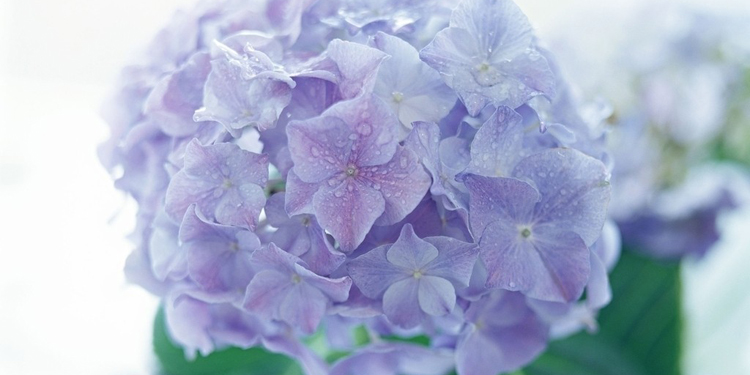
How to propagate hydrangeas? A detailed explanation of common propagation methods
It prefers a warm, humid and semi-shaded environment. It is best grown in fertile, humus-rich, well-drained, slightly clayey soil, with an ideal soil pH of 4.0-4.5. 1. Propagation methods (1) Division propagation is best carried out before sprouting in early spring, and can be done together with repotting by separating the suckering shoots at the roots.
条件筛选