-
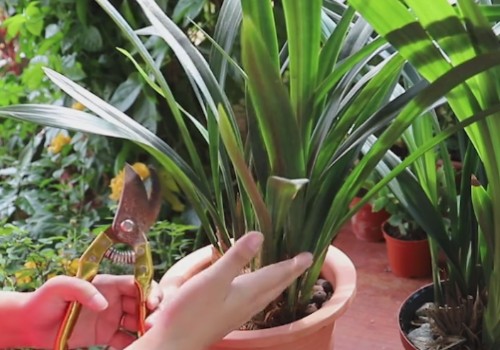
Should the old pseudobulbs be cut off after an orchid grows new shoots? A full guide to disease prevention and care methods
There are many varieties of orchids, but no matter which variety it is, as long as we take good care of it, its ornamental value is very high. Whether it is placed as a potted plant on a balcony or in a bedroom, a living room or an office, it often shows its unique character
-
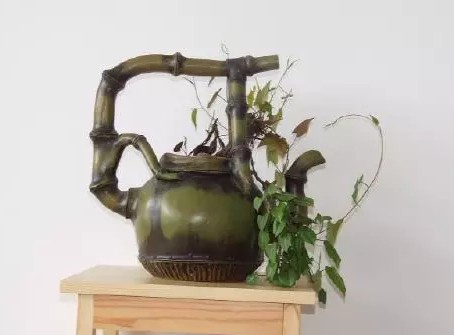
How to Build a Trellis and Prune a Fleeceflower Root (He Shou Wu) Bonsai? A Full Breakdown of Practical Tips
Many people know that He Shou Wu (fleeceflower root, Fallopia multiflora) is a medicinal plant with multiple functions such as tonifying essence and blood, darkening the hair and beard, strengthening the bones and muscles, and nourishing the liver and kidneys. In fact, it is also an excellent ornamental plant, and its ancient-looking, richly varied tuberous roots, lush vines, and delicate leaves can be used to create bonsai.
-
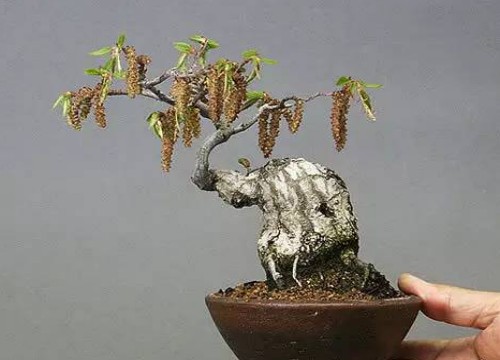
How to thin leaves and shape a bonsai? A full breakdown of methods and techniques
Cutting off the leaves at the tips of branches is called leaf thinning. Besides preventing branches from growing leggy and promoting the sprouting of axillary buds, leaf thinning also allows the entire tree to receive even sunlight, makes the branches near the roots thicker and the branches in the canopy thinner, so that the tree's vigor becomes strong and healthy. If sunlight cannot easily penetrate, causing poor air circulation, the branches and leaves in the lower part of the potted tree will weaken
-
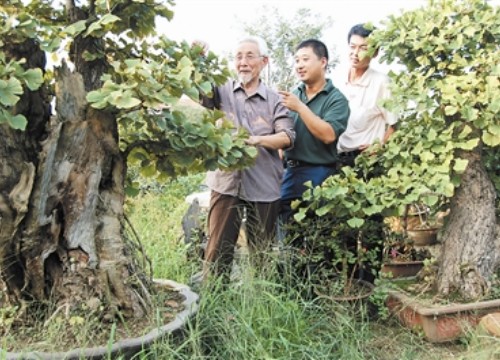
How to shape a ginkgo bonsai? A full analysis of practical techniques
Choose a suitable clay pot, fill it with coarse and fine soil, and plant the stump in the pot between February and March. During the growing period, bind the branches into curved or straight, slanting or upright, or upward or downward shapes, and control the direction and orientation of their extension well. The preliminary form is the foundation for making a bonsai. Working the preliminary form
-
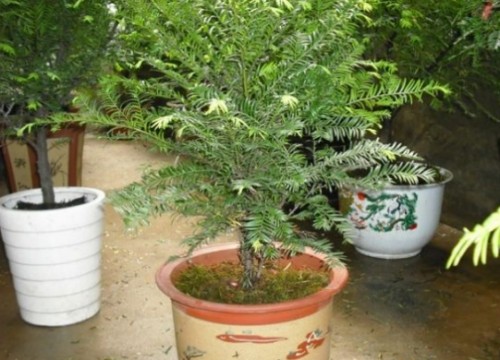
How to shape a Chinese pistache bonsai? A full analysis of practical techniques
The wood of the Chinese pistache is hard in texture and fine in grain, and can be used for construction, farm tools, furniture and carving. Its crown is tall and rounded, and its leaves are slender and graceful; after autumn the leaves turn bright red and the fruits are blue and red intermixed, so it can also serve as an ornamental greening tree for cities. Its young leaves can be made into tea, and its bark and stems can be used as medicine
-

How to prune fruit tree bonsai? A full analysis of the technical key points
Fruit trees grown in pots put on a relatively large amount of growth each year, and if left to grow unchecked, their fruiting is also hard to control. To maintain a perfect, compact tree shape and effectively control growth and fruiting, pruning must be carried out several times a year. By pruning period, it can be divided into dormant-season pruning (winter pruning) and growing-season pruning (summer pruning)
-
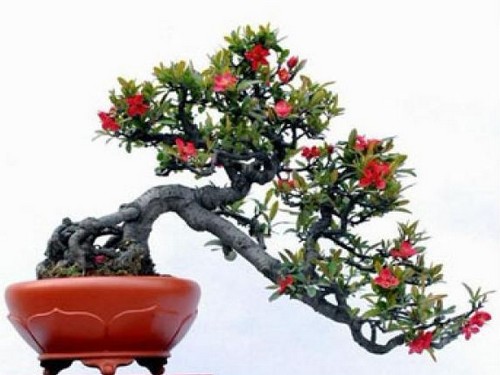
How to fertilize Chaenomeles speciosa bonsai? A full breakdown of practical tips
Chaenomeles speciosa (flowering quince) has a very long history of cultivation in China. According to research, the "mao" mentioned in the Erya is this plant. The flowers of Chaenomeles speciosa come in diverse colors, including vermilion, peach red, and moon white, and some cultivars have petals mottled with pink and white; moreover, its petals are smooth and translucent, making it very beautiful. Its branches are dark black, curving like iron wire
-
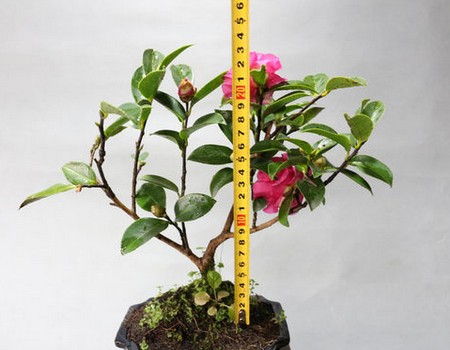
How to Shape a Camellia Sasanqua Bonsai? A Full Guide to Methods and Techniques
Camellia sasanqua has been favored by people since ancient times. It has a delicate form, elegant leaves, brilliant flower colors, and a long blooming period, making it a famous flowering plant prized both for its flowers and its foliage. The purpose of making a camellia sasanqua bonsai is appreciation, and the prerequisite for appreciation is being able to give the camellia sasanqua good shaping, so how to shape it is a very important point.
-
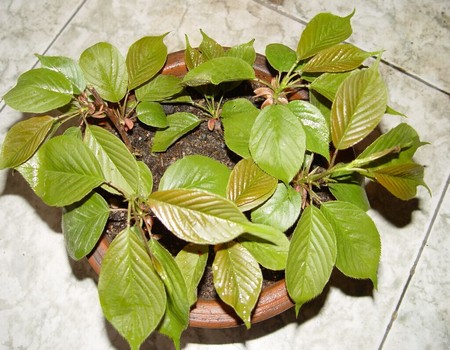
Detailed Explanation of Cutting Propagation Techniques for Japanese Late Cherry during Full Bloom
Cherries are brightly colored and very magnificent, making them important ornamental flowering trees for gardens. They are suitable for group planting in courtyards or in front of buildings, and can also be used as street trees along paths. Japanese late cherry has large flowers, double petals, vivid colors, fragrant scent, and a long flowering period, making it an excellent variety among cherries. Propagating Japanese late cherry by grafting results in slow seedling formation and cumbersome operations.
-
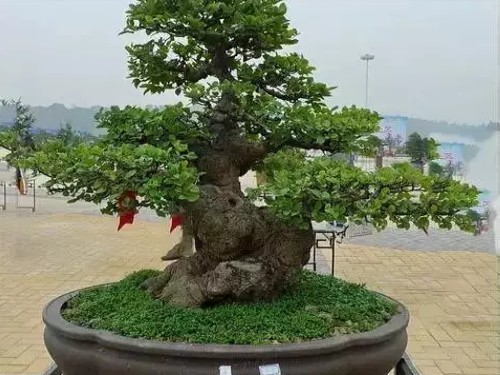
How to Water a Black Bone Tea Bonsai? A Full Guide to Practical Tips
I recently bought a few mature black bone tea (Dracaena cambodiana) stumps from Guangdong. According to the seller, I should water them every day, pouring water over the leaves and branches as well. At the time I did not think much about it, so I watered them every single day, and when I saw the leaves and trunks were dry I also misted them. The potting soil was acidic loess mixed with 3 parts sand, with some nutrient soil blended in. A week later, the leaves on two of them had lost their vigor.
条件筛选