-

Swine necrotic dermatitis requires focused prevention and control in summer and autumn
I had never seen swine necrotic dermatitis before, and thought it was an old disease that might have already disappeared in our area. Unexpectedly, in July last year, it occurred at a small-scale pig farm in our county. The diagnosis and treatment are summarized below to remind farmers to pay attention to the prevention and control of this disease. 1 Disease situation The normal inventory of this pig farm was 70-80 head. Because the pig market was poor at the time, the farm owner brought in more pigs, reaching 100 head. By July, when the pigs reached about 60 kg, it was found that some pigs on the farm had broken skin, itching, and scabs, mainly
-
Four key aspects to focus on in late-stage cotton management
The main goal of late-stage cotton management is to promote cotton maturity, early boll opening, no premature senescence, and no excessive late-season green growth. Good pruning work: First, for cotton fields with lush foliage and heavy shading, remove the old leaves and empty branches on the lower part of the main stem. Second, promptly remove superfluous buds, adhering to the principle that superfluous buds should not exceed one cun. Third, tip the clusters, generally removing the cluster tips of the lower, middle, and upper fruiting branches in stages. Fourth, for cotton fields with particularly severe shading or during periods of abundant rain, carry out 2 to 3 rounds of pushing rows together to promote cotton boll maturity and reduce moldy cotton bolls. Foliar fertilization
-
Six key management practices to focus on after transplanting spring eggplant in a large arch shed
I. Temperature control For spring eggplant cultivated in a large arch shed, from transplanting until the seedlings recover, the shed should be kept closed to retain heat, keeping the temperature inside the shed at 28°C-30°C during the day and 15°C-20°C at night as much as possible. After the seedlings recover, attention should be paid to ventilation, keeping the shed temperature at 23°C-25°C during the day, generally not exceeding 33°C. II. Fertilizer and water management Under conditions of good soil moisture, water as little as possible before the first eggplant reaches the size of a walnut, to raise soil temperature and prevent flower and fruit drop. When the first eggplant reaches the size of a chicken egg, apply 10 kg of urea per 667 sq m along with watering. After that, appropriately increase the frequency of watering according to soil moisture.
-
Five key steps to focus on in autumn mushroom production
In autumn mushroom production, especially in the early autumn stage, there are many limiting factors, and compared with winter production, the success rate is often lower. In fact, this is also the main reason why fresh mushrooms are expensive in autumn. Therefore, mushroom growers are especially reminded: in this year's mushroom production, especially at large-scale production bases, operations should be stricter, precautions should be taken, and management should be scientific to ensure smooth production. In actual production, the following "five passes" should be mainly monitored. Substrate ratio and nutrition pass
-
Several Technical Measures to Focus on in July After Cotton Topping
I. Scientific Chemical Regulation 1. Regulation According to Growth Vigour After cotton topping, generally 1 to 2 chemical regulation applications are made. The first is 3 to 5 days after topping; for fields with about 12,000 plants per 667 sq m, apply 4 to 5 grams of mepiquat chloride in 30 kg of water; for fields with more than 16,000 plants, apply 6 to 7 grams of mepiquat chloride in 40 kg of water. The second chemical regulation depends on the individual development and population size of the cotton plants, and moderate heavy regulation is carried out according to the weather, soil moisture, and the growth vigour and appearance of the cotton plants, generally per 667 sq m
-
For high yield and quality of chili peppers, three key points must be focused on
Gong Zhichang, known as the "Chili Pepper King" in Shouguang City, Shandong Province, believes that yield and quality are the key to achieving high efficiency in chili pepper production, especially when market prices are low. In chili pepper production, Gong Zhichang focused on the following three aspects of management. Prevent plant death and cultivate a well-developed root system. Chili peppers are shallow-rooted plants with an underdeveloped taproot and poor root regeneration capacity. They are susceptible to waterlogging and cannot tolerate drought. They require soil with strong air permeability and are best cultivated on high ridges. High ridge cultivation not only enhances soil air permeability and ensures
-

Is traceability certification not the main focus? Farm management system risk is the real key?
Traceability certification: certification does not equal obtaining a license; assessing farm management risk is the main focus. Let's take a look below. Obtaining the traceable agricultural products label requires passing third-party verification; auditing and sampling are unavoidable procedures, and extra fees are required, which puts farmers
-
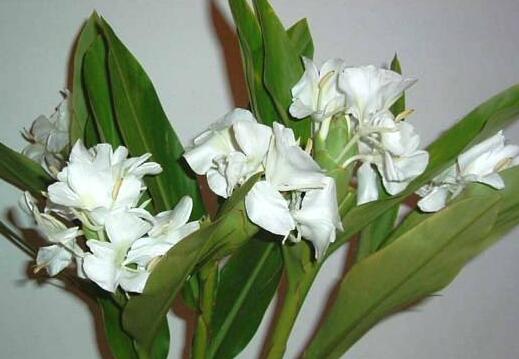
How to treat ginger lily fusarium wilt? Pest and disease control focuses on strengthening management
If humans get infected with a virus, they get sick. So if plants are attacked by pathogens or pests, will they get "sick"? The answer is yes. For example, when growing ginger lilies, improper care can easily lead to infection with mosaic virus, anthracnose, fusarium wilt and so on.
-
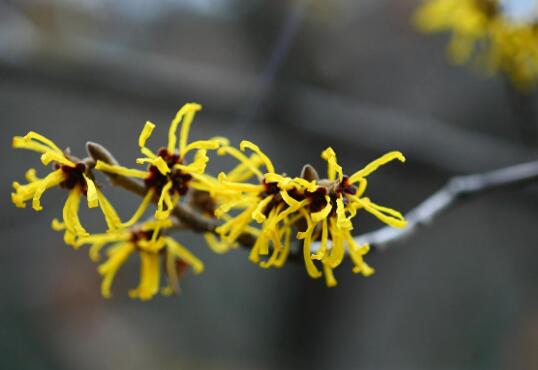
Witch hazel pest and disease control methods, focusing on 2 types of pests and 3 types of diseases
Pests and diseases are one of the most unwelcome situations plants can encounter during growth, and witch hazel is no exception. These problems are extremely harmful to it, not only affecting its ornamental value, but in severe cases also causing it to wither and die. So what should you do when witch hazel gets infested with pests? How should witch hazel pest and disease control be done
-

条件筛选