-
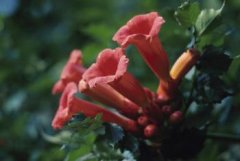
Reasons for Trumpet Vine Flower Death and the Medicinal Value of Trumpet Vine Roots
Trumpet vine, also known as trumpet creeper, usually grows aggressively. It spreads and climbs over various structures, in some cases reaching up to 35 feet. Although trumpet vine is very hardy, resistant to most pests and diseases, and not picky about water or soil
-

What to Do When Pests Appear on Flower Roots? A Detailed Guide to Flower Root Pest Control Methods
Flowers are beautiful ornamental plants, but they are also rather fragile plants threatened by various pests and diseases, so what should you do when pests appear on flower roots? 1. What are flowers? Flowers are herbaceous plants with ornamental value, and there are many kinds.
-
How to Save a Peony with Root Rot? A Detailed Guide to Practical Methods
Once a peony's roots have rotted, you need to trim away the rotten roots promptly and then disinfect them with a dedicated sterilizing solution. Unsuitable soil can cause root rot, so you also need to repot it into loose, fertile, well-draining neutral or slightly alkaline soil. You also need to water and fertilize it properly
-
The key to long-lasting flowers lies in root care; learn these methods and they will grow vigorously
There are many tricks to growing flowers, and sometimes if you are not careful, the flowers you grow may quickly wither. If you cannot find the reason at that time, you may not be able to grow them well afterwards either. How should you grow plants so that they remain long-lasting? In fact, flow
-
Yellow leaves and root rot? No need to worry, toss this into the flower pot and the roots will grow strong
Many friends say that flowers which look perfectly healthy at the flower market turn yellow and even die just a few days after being brought home. In fact, in many cases it is because we are not using the right methods to care for them. Many kinds of household waste in daily life are natural fertilizers, and using them for plants can
-

This easy-to-grow flower can be propagated from cuttings: cut 1 stem into 8 segments, and it roots as soon as it goes into the pot.
Since the Chinese New Year, temperatures have gradually risen, and flower lovers can no longer hold back their hands and are getting ready to take cuttings! Plants like snake plant (Sansevieria), pothos (Epipremnum aureum), and kalanchoe (Kalanchoe blossfeldiana) need no effort at all: just 1 stem, gently cut into 8 segments, tossed into a pot, and they live. Turning 1 pot into 100 pots is not a dream at all!
-
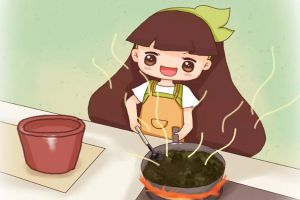
Before growing flowers, scald the soil, and bugs and germs will all die off, so roots will never rot again
Once spring arrives, not only do the flowers at home start growing, but plenty of little bugs also start popping up. Not to mention that a few days ago, when Huahua was repotting, lots of little bugs even crawled out of the soil! So before repotting flowers in spring, you must scald the soil to kill all the insect eggs and such in it, so that growing flowers won't attract little bugs!
-
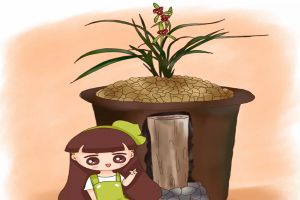
Bury a wooden stick in the flower pot, and the roots grow as thick as radishes, with plump, green leaves.
Orchid leaves are slender and glossy green, and the flowers come in rich colors, which is why many flower lovers adore them. Quite a few flower lovers think orchids are delicate and hard to grow, and getting them to bloom is even harder. To make your plants grow strong, all you need is a wooden stick. Come and see how to use it!
-

If a flower's roots rot, it's doomed - sprinkle a little of this in the pot and it can live for 20 years!
If a flower just has yellow leaves or is wilting, it might still be saved. But if the roots have rotted, there's basically no hope. So it's best to keep good drainage in the pot. While it's a good time to repot, sprinkle a little something in the pot so your flowers won't get root rot for 20 years!
-
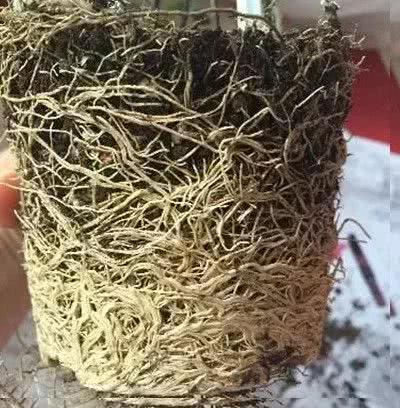
Don't repot your flowers carelessly in spring; without understanding the basics, you'll only harm the roots and the plants
Some of the plants we grow at home grow very fast, and many gardening enthusiasts think about repotting them so they'll grow even faster. But somehow, after repotting, the plant just declines and dies. Actually, this isn't the plant's own fault...
条件筛选