-
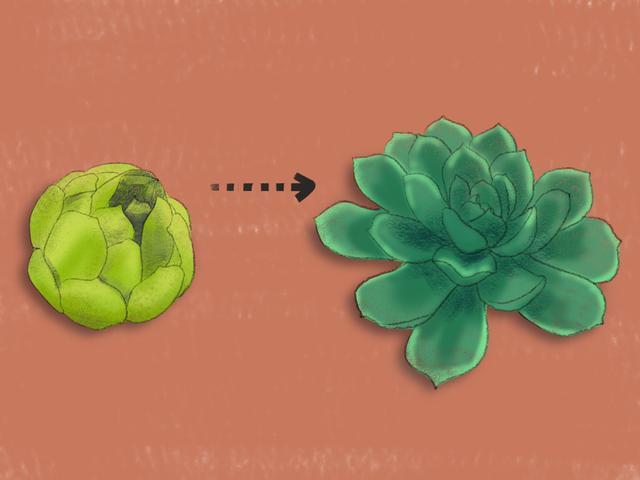
Don't Panic If Your Succulent Is Spreading Out Like a Flatbread - Use These Methods to Make It Beautiful Again
In the succulent world, what is called "spreading out like a flatbread" actually refers to the way a succulent's leaves, which originally grew in a closed, compact form, grow more and more open as the plant develops, taking on a spread-out appearance and losing their original shape. When a succulent is newly bought and gradually opens up from its closed form, this actually doesn't count...
-
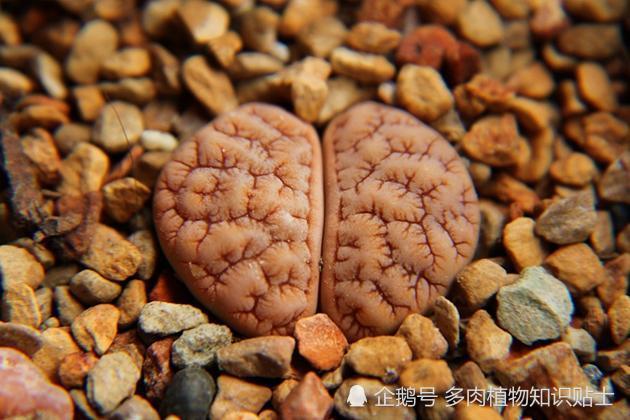
I love the short, flat, and plump ones. Here are some photos of my own selected mother Lithops pseudotruncatella plants.
Thanks to Sunshine Believer for the material. Lithops pseudotruncatella Lithops pseudotruncatella Lithops pseudotruncatella Lithops pseudotruncatella Lithops pseudotruncatella Lithops pseudotruncatella Lithops pseudotruncatella Lithops pseudotruncatella Lithops pseudotruncatella Lithops pseudotruncatella Lithops pseudotruncatella...
-

What's going on when succulents "wear skirts" and "spread out like a big flatbread" in summer?
Succulents "spreading out like a big flatbread" refers to when succulents (especially Sedum-type ones) change from a relatively compact, cupped form into a more spread-out shape. Compared with the layered, mountain-range beauty of the cupped form, the spread-out leaves are less favored, so it is jokingly called "spreading a big flatbread."
-

Is flat planting or ridge planting better for peanuts? The key depends on the land conditions
Ridge planting versus flat planting of peanuts has always been a topic of debate among many friends, but personally I think ridge planting is currently a bit better, though some areas are still only suitable for flat planting. Here, Science Xingnong will chat with everyone about...
-

Mudflat delicacy looks like intestines, made into jelly it is a supreme treat yet some find it disgusting
For me, the editor, when it comes to childhood memories, the most numerous are perhaps memories about food. In a country like ours, a kingdom of gastronomy, there is a highly distinctive delicacy, but not everyone can accept it. Perhaps the locals regard it...
-
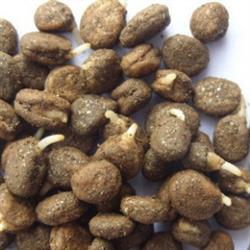
How should ginseng seeds be treated before flat-ground planting?
How should ginseng seeds be treated for flat-ground planting? Please explain the method. Before planting ginseng, you can refer to the following methods for treatment: after the water seeds are dried until the skin turns white, spread them in sunlight at a temperature of around 25°C and turn them for 30 minutes; this uses ultraviolet light to kill bacteria on the seed coat. Mix weathered sand (river sand also works, but it has a high bacterial content...) with ginseng seeds at a ratio of 5:1, keeping moisture between 15% and 18%, that is, it forms a ball when squeezed in the hand and breaks apart when released. Store the mixed ginseng seeds with moderate moisture in a jar or wooden box, or dig a pit in ground that does not accumulate water, wrap it with mesh netting, and build a rainproof and sun-shading shelter above. Before the seeds crack, control the temperature at 18°C-20°C. After the cracking rate reaches 80%, lower the temperature of the seed storage container to 13°C-15°C. Too high a temperature and too much moisture easily cause seed rot. Ginseng seeds stored in sand should be turned once every 10-15 days to ensure consistent moisture in the container. When moisture is low, supplement with a warm water spray; when moisture is high, dry them in the air promptly.
-
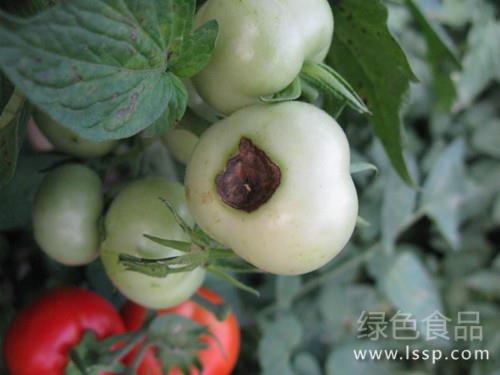
Tomato blossom end rot control methods: how to handle sunken, flattened black-brown spots at the blossom end
Sunken, flattened black-brown spots at the blossom end: control methods for tomato blossom end rot
-

Control Measures for Deformed Strawberry Fruits Such as Too-Thin, Too-Plump, Cockscomb-Shaped and Flat Fruits in Greenhouses
Control Measures for Deformed Strawberries in Greenhouses: Too-Thin, Too-Plump, Cockscomb-Shaped and Flat Fruits
-
-
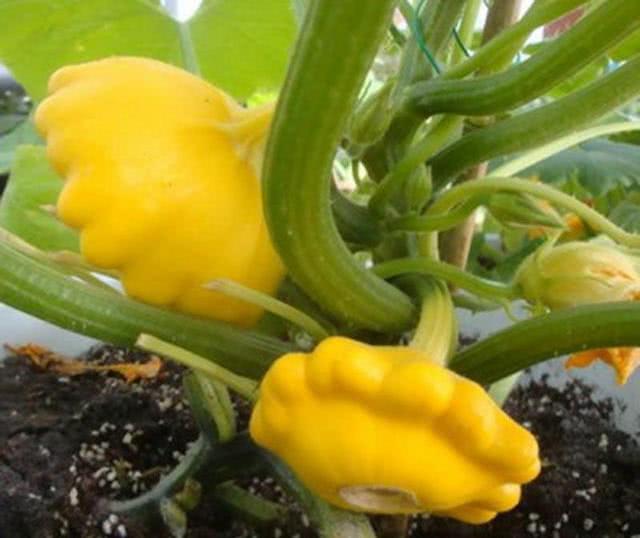
The flying saucer gourd, also known as disc gourd, dish-shaped gourd, toothed-edge gourd, and flat-round zucchini, is both ornamental and edible.
Flying saucer gourd (garden plant) The flying saucer gourd, also known as disc gourd, dish-shaped gourd, toothed-edge gourd, and flat-round zucchini, is a variety of Cucurbita pepo in the Cucurbitaceae family. Its fruit is both ornamental and edible, making it a rare dual-purpose...
条件筛选