Is flat planting or ridge planting better for peanuts? The key depends on the land conditions
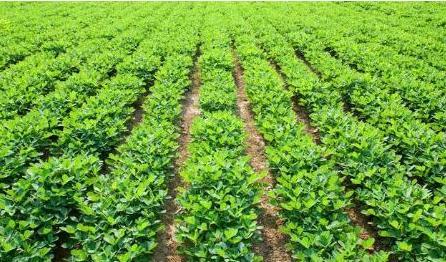
Ridge planting versus flat planting of peanuts has always been a topic of debate among many friends, but personally I think ridge planting is currently a bit better, though some areas are still only suitable for flat planting. Here, Science Xingnong will chat with everyone about this question.
First, let us look at flat planting
At present, many peanut-growing areas in the north adopt this flat planting method. Flat planting is more suitable for areas that are dry and where watering conditions are inconvenient. My hometown is located along the Yellow River, where there is a lot of sandy land and the soil fertility is also relatively good, and at present many farmers still use flat planting for peanuts.
Flat planting is relatively time-saving and labor-saving, with no need to build ridges, and since northern summers are dry with little rain, flat planting happens to help the soil retain moisture and ease the problem of difficult watering. Flat planting is also relatively flexible, the density of the peanut field can be adjusted at will, and it is very suitable for growers to plant peanuts densely.
Of course, flat planting also has its disadvantages. Although a flat-planted peanut field helps the soil retain moisture, once a rainy season comes it becomes troublesome, since no one can predict the weather. Drainage in a flat-planted peanut field is very inconvenient, and once the rainy season arrives, waterlogging is easily caused in the field, and peanut pods soaked in water are prone to mold and black rot. In addition, during harvest the peanut pods easily fall off, making harvesting inconvenient.
Ridge planting
In fact, ridge planting of peanuts has been a fairly popular peanut planting method in recent years. Moreover, the advantages of ridge planting can be said to be clearly more numerous than those of flat planting. However, dry land and sandy land are exceptions; as mentioned above, these areas have poor soil moisture retention, and ridge planting will only make drought more likely. Ridge planting is more suitable for plots with relatively good soil fertility but poor drainage.
Below, let us look in detail at the advantages and disadvantages of ridge planting.
Ridge planting of peanuts has many advantages. First, ridge planting is good for field drainage, which should be very obvious; peanuts are afraid of being soaked in water, so ridge planting can solve this problem very well. Second, ridge planting of peanuts can make harvesting easier for growers and reduce pod drop.
Third, ridge planting makes weeding in the field more convenient, and it is easier for the peanut pegs to enter the soil, which naturally also helps increase peanut yield. Fourth, ridge planting can improve the ventilation and light penetration of the peanut field, which is more favorable for peanut flowering and podding. In addition, because the soil on the ridges is looser and more breathable, it is more convenient for peanut pod growth.
Of course, ridge planting of peanuts also has disadvantages. One point mentioned above is that it is not convenient for retaining soil moisture, especially during the peanut seedling stage; if the soil is too dry, peanut seedlings may die. And as everyone generally knows, one point for achieving high peanut yield is dense planting! But ridge planting will limit the planting density of peanuts.
Finally, one point to note about ridge planting of peanuts: when planting peanuts on ridges, the ridge height is generally about 10 to 12 cm. In addition, before building ridges, check the soil moisture; if it is relatively dry, be sure to first build up moisture and then carry out ridge planting. Enough space must be ensured between peanut rows and the edge of the ridge, so that peanuts have enough space for pegging.
The above comes from Science Xingnong; you are welcome to follow.