-
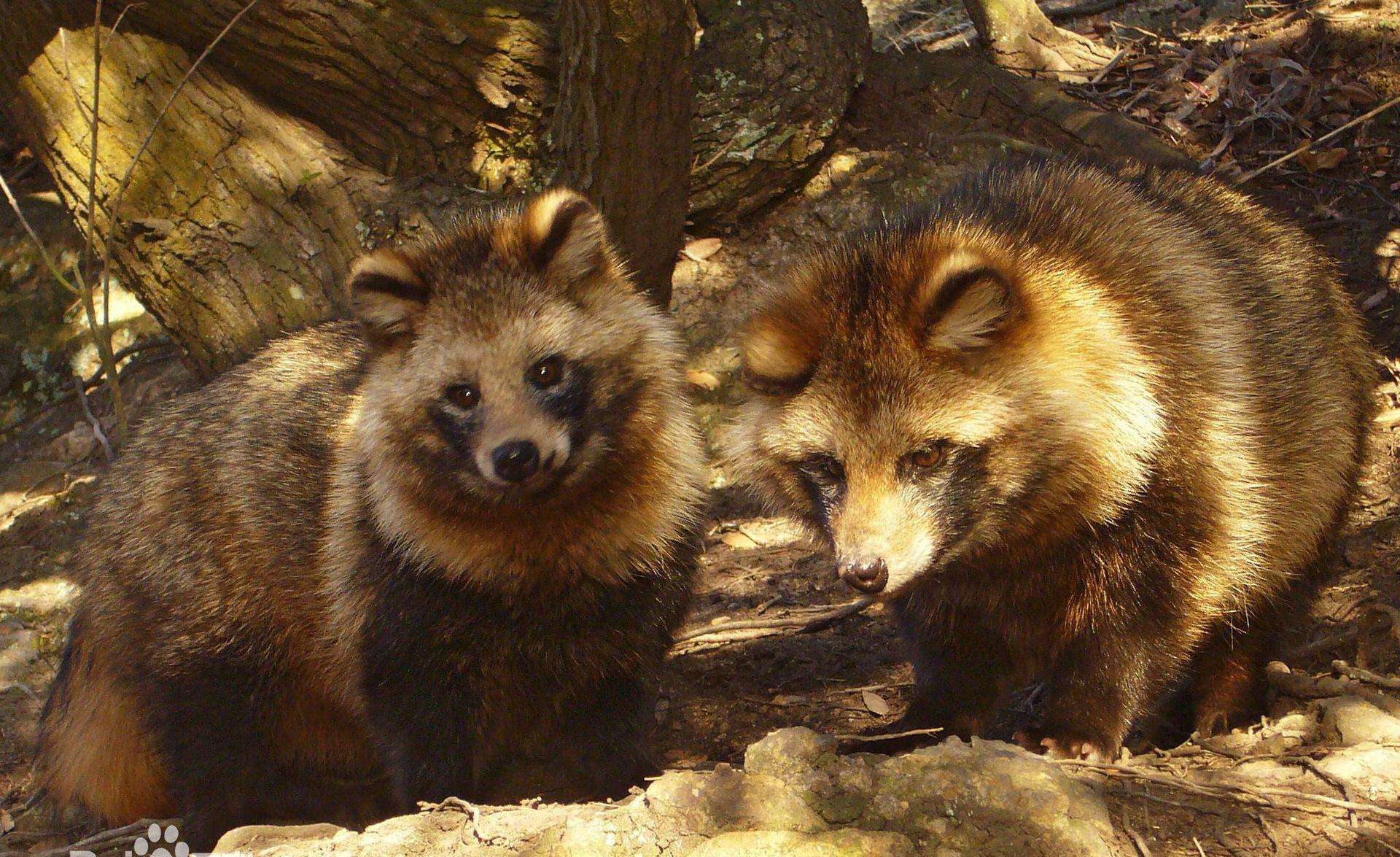
Raccoon dog breeding: breeding stock selection and feed combination video, plus 2018 prospect forecast
The raccoon dog, also known as the earth badger, bears some resemblance to the fox. Its meat is nutritious and rich, and its fur is one of China's traditional export commodities, often used to make coats, fur collars and other high-end clothing. China has many special breeding projects suitable for long-term development, and the raccoon dog, as a relatively rare animal
-

Foliar feeding of cotton at the late stage is highly effective, and growers should pay attention to it
In the late growth stage of cotton, the root system's ability to absorb nutrients declines markedly. At this time, spraying foliar fertilizer to supplement nutrition has the effects of preventing premature senescence, preventing diseases, promoting large bolls, promoting early maturity and pursuing high quality, with remarkable effects in increasing yield and income. 1. Spray nitrogen fertilizer to prevent premature senescence: In the late stage of cotton, foliar spraying of nitrogen nutrition can keep cotton leaves green, enhance photosynthesis, and prevent nitrogen-loss premature senescence. Mixing nitrogen fertilizer with "regulator 802" makes the effect of enhancing cotton's late growth vigor more obvious and the yield-increasing effect better. From late August to early September
-
Scientific Methods for Feeding Cotton Stalks to Ruminant Livestock
With the current year-on-year increase in cattle and sheep populations, along with large-scale land development and cultivation, the original grazing pastures have sharply decreased. Therefore, solving the winter and spring forage problem for cattle and sheep is the primary issue for developing animal husbandry on all farming and herding farms. Faced with large areas of cotton stalks after picking is complete, livestock raisers can only follow the old method of letting cattle and sheep loose in the fields to graze freely, resulting in massive resource waste. In order to better utilize cotton stalks and achieve the effect of returning them to the field through the animal's digestive tract, a set of scientific methods for feeding cotton stalks to ruminant livestock has been summarized. After trial feeding and observation by livestock raisers on our farm
-
Feeding chickens with kombucha helps increase egg production
In the process of raising chickens, the author once used kombucha liquid to mix feed for laying hens and achieved obvious results. The laying rate reached over 95%, which was 15% higher than the original mixing with clean water, and the eggs laid were also larger than before. Preparation of kombucha liquid: Put an appropriate amount of tea leaves and white sugar into a teapot, then brew with boiling water. After it cools, use it as a culture medium to inoculate (soak) the kombucha starter. After 3 to 5 days, it becomes kombucha liquid. Mix it into the compound powder feed at a dosage of 2 milliliters per chicken per day and it can be fed. Using kombucha liquid
-
Clever foliar feeding for tea plants effectively improves quality
If famous tea is contaminated, especially export products, its output value and reputation will both suffer severe setbacks. To improve tea quality and yield, in addition to measures such as planting green manure in tea gardens, mulching to retain moisture, applying sufficient farmyard manure after each harvest, and improving tea-processing techniques, foliar fertilizer should also be used cleverly. This is a good method that uses little fertilizer, takes effect quickly and gives high returns, generally increasing yield by more than 20%-30%. The techniques are: Fertilization timing. When the new shoots of each round of spring, summer and autumn tea flush grow out to the initial unfolding of one bud and one leaf, choose a windless sunny morning, evening
-
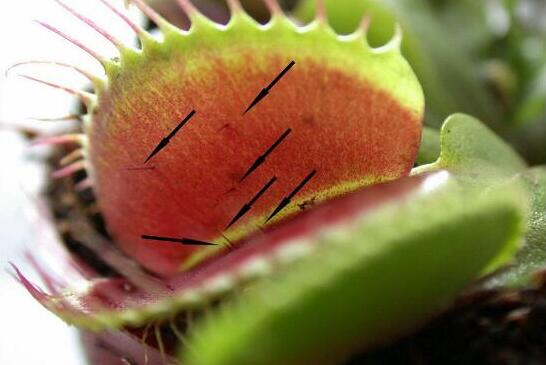
How to fertilize a Venus flytrap? Once every 15 days during the growing season, and feed it only live insects
As a plant that can repel mosquitoes, when kept indoors, the Venus flytrap eats insects to supplement its nutrients. However, the carcasses left after the Venus flytrap finishes eating insects inevitably hurt its appearance and can also cause hygiene problems, so it is better to provide nutrients to the Venus flytrap through fertilization. So how do you fertilize a Venus flytrap?
-
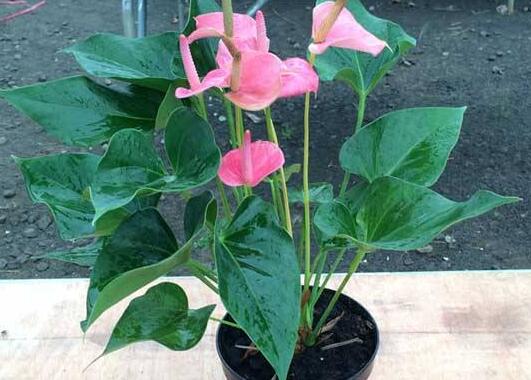
How to fertilize Anthurium andraeanum? Light but frequent feeding and a balance of nitrogen, phosphorus and potassium are key
When growing Anthurium andraeanum in pots, it mainly needs to absorb nutrients from the soil, yet the nutrients in the soil are limited. To ensure the plant can grow more healthily and quickly, we need to fertilize reasonably during care. So how do you fertilize Anthurium andraeanum? Below, the editor will tell you the fertilization techniques for Anthurium andraeanum
-

What is the fertilizing method for gloxinia? Foliar feeding is not allowed
Gardeners are probably familiar with gloxinia. It is a flower with a wide range of varieties and rich colors, and it looks especially charming against its large, emerald-green leaves. However, if you want gloxinia to bloom beautifully, fertilizing is a step that cannot be ignored. So how do you fertilize gloxinia?
-

How to fertilize African violets? Light, frequent feeding lets them bloom all year round
African violets are a flowering plant very well suited to indoor growing; they are not only good-looking but also help purify the air and beautify the home. However, to bring out the full benefits of African violets, proper fertilizing is key, as it can keep them blooming all year round! So how do you fertilize African violets?
-
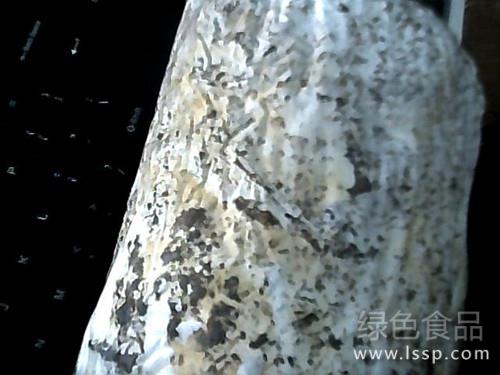
Prevention and control methods for edible mushroom mycelium that does not feed on the substrate after germination, turns yellow and shrinks
Mycelium does not feed on the substrate after germination, turns yellow and shrinks: prevention and control methods for edible mushroom mycelium shrinkage
条件筛选