-

Key Points and Methods for Dehydrating and Drying Shiitake Mushrooms Explained
First, if the quantity of shiitake mushrooms harvested or purchased is very large and there is not enough time to dry them the same day, they must be spread out in a cool, ventilated place and piled as thinly as possible to prevent internal heating that would affect the quality of the dried product. Second, in the early stage of drying, the temperature inside the drying oven or drying room should rise slowly and gradually, generally not exceeding 5°C per hour. If the temperature rises too quickly, the surface of the mushroom body shrinks rapidly, causing the capillaries to become blocked, which instead makes it difficult for moisture inside the mushroom body to escape. In mild cases, this causes the mushroom body to shrink and wrinkle, forming a wavy surface; in severe cases, a hard shell forms on the surface of the mushroom body, causing the gills to turn black and
-
Eight preventive measures for bagged shiitake mushrooms to safely overwinter the summer, explained in detail
Based on our investigation and analysis of the summer-survival problems in large-scale bagged shiitake mushroom cultivation in Xixia over more than ten years, we have summarized a set of preventive measures for bagged shiitake mushrooms to safely get through the summer. They are presented below for reference. 1. Prevent contaminated spawn. There are many factors that can cause contamination in spawn, for example: incomplete sterilization of the substrate, lax disinfection during inoculation, introduction of pathogens during inoculation operations, air forced in through the cotton plug, respiration or damage during spawn transport, inoculation with contaminated spawn, and other such reasons. If contaminated spawn is used for production, it can harbor incalculable losses. 1.1
-
How to case Golden Blessing mushroom for high yields? Practical techniques explained in detail
After the Golden Blessing mushroom spawn has fully colonized the bags, they can be buried in soil for fruiting after 3-5 days. Cut away the entire spawn bag or cut off a section about 10 cm wide across the cross-section, bury 5-8 cm deep, place the bags horizontally, facing each other in pairs, with 5 cm between bags, 4 bags per row, 40 per group, then apply casing soil, covering the bags with 3 cm of soil. The casing soil should be granular, not too fine. The day before casing, it is best to adjust the soil to semi-dry and semi-moist. Adjust the moisture of the casing soil over two days, moistening all the soil thoroughly, and carry out the watering under ventilated conditions in the mushroom house. Do not spray water with the house closed. Casing soil moisture adjustment
-
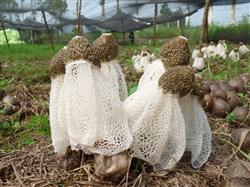
How to Cultivate Bamboo Fungus (Phallus indusiatus) Artificially? Methods and Techniques Explained
How to cultivate bamboo fungus artificially? Please provide an introduction to the methods. Bamboo fungus, known as the "king of edible fungi," has a delicious flavor and is rich in nutrients. It is a sought-after commodity that sells well in both international and domestic markets. According to analysis and testing, bamboo fungus contains eight essential amino acids required by the human body. Long-term consumption can inhibit the rise of blood pressure and reduce blood cholesterol...
-
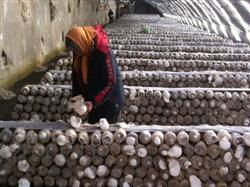
How to manage the fruiting period of white lingzhi mushroom? Key points of cultivation techniques explained
How to manage the fruiting period of white lingzhi mushroom? Please introduce the following key points for managing the fruiting period of white lingzhi mushroom: 1. Temperature. The temperature should be kept at 8-16°C. If the temperature is too low, the fruiting body develops slowly; if the temperature is too high, the fruiting body grows quickly, but the cap is thin and the commercial value is relatively low. It should be noted that white lingzhi mushroom...
-
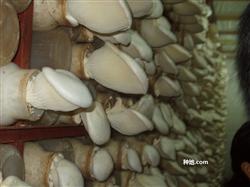
How to mix the substrate for white beech mushroom (Pleurotus nebrodensis)? Detailed method explained
How to mix the substrate for white beech mushroom (Pleurotus nebrodensis)? What should be noted? The white beech mushroom is a newly emerging mushroom species, and there are still many problems in its cultivation technology, especially the yield, which has been difficult to increase. Practice has found that the nutritional ratio of the substrate plays a vital role in increasing the yield of white beech mushroom. The nutrients added to the substrate...
-
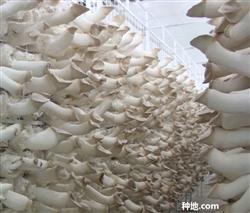
How to cultivate king oyster mushrooms in northern China? Key technical points explained
How to cultivate king oyster mushrooms in northern China? Please advise. The king oyster mushroom (Pleurotus eryngii), also known as xuerong, is a high-quality large fleshy agaric mushroom. The king oyster mushroom has thick flesh, a crisp and tender texture, and a delicious flavor, and can be called the "king of oyster mushrooms." It is rich in nutrients and high in oligosaccharides, and has intestinal-regulating and beauty benefits....
-
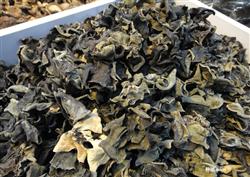
How to grow black fungus (wood ear mushroom) by intercropping? Key technical points explained
How to store wood ear mushrooms properly? Please advise: the optimal storage temperature for wood ear mushrooms is 0°C, relative humidity: above 95%RH. Wood ear mushrooms can be sold fresh or dried. Dried ones store better, but fresh ones have a more delicious flavor, so the choice depends on personal preference. Fresh ones are harder to store; after harvest, store them at low temperature immediately, which can still maintain a...
-
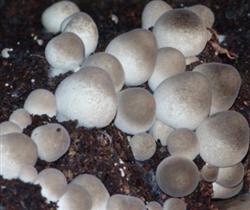
How to Grow Straw Mushrooms for Higher Yields? Practical Methods Explained
What methods can increase the yield of straw mushrooms? Please give guidance. To increase straw mushroom yields, you can refer to the following methods: Secondary inoculation. Adopting a secondary inoculation measure helps increase straw mushroom yields. Straw mushroom mycelium grows too fast and is extremely prone to aging, which weakens its vitality and prevents it from effectively using the nutrients in the substrate...
-
How to Grow Dictyophora indusiata (Bamboo Fungus) with Standardized Cultivation? Key Technical Points Explained
How do you grow bamboo fungus with standardized methods? What should you pay attention to? We also ask experienced growers to kindly share their know-how on standardized bamboo fungus cultivation techniques. Zhongdi Web gives a detailed introduction below for growers' reference. 1. Environmental requirements for bamboo fungus: Nutritional requirements of bamboo fungus: bamboo fungus is a nitrogen-loving fungus, and nitrogen is the raw material necessary for bamboo fungus to synthesize proteins and nucleic acids. If the nitrogen level is too low, the mycelium will not grow thick and strong, and yields will be low. Generally, bamboo powder and sawdust are deficient in nitrogen sources. When building piles for fermentation, add urea to the substrate, and apply additional urea to the cultivation site to increase nutrients in the cultivation site, promote thick and vigorous mycelial growth, and raise yields.
条件筛选