-
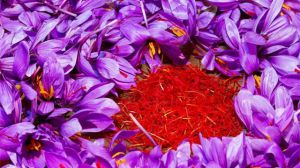
Is saffron hot or cool in nature? Explained clearly in one article
Saffron is neither cool nor hot in nature, but a warm-natured health tonic. It can be used by people of different constitutions to supplement nutrition and regulate qi and blood; moreover, it can also treat some cardiovascular and cerebrovascular diseases or neurodegenerative diseases. There are various ways to consume it: it can be steeped directly in water or infused in alcohol, and of course it can also be used in soups and rice.
-
Is saffron hot or cool in nature? Explained clearly in one article
Saffron is neither cool nor hot in nature, but a warm-natured tonic. It can be used by people of different constitutions to supplement nutrition and regulate qi and blood; in addition, it can treat certain cardiovascular and cerebrovascular diseases or neurodegenerative diseases. It can be consumed in various ways: it can be steeped directly in water or infused in liquor, and of course it can also be used in soups and rice dishes.
-
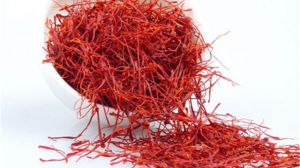
What are the benefits and contraindications of saffron? Explained in one article
Benefits: treats depression, its extract has effects similar to antidepressant drugs; combats anxiety, with effects similar to anti-anxiety drugs; alleviates neurodegenerative diseases, hinders nerve degeneration; treats cerebrovascular diseases, increases blood flow, lowers blood pressure. It must not be consumed in excess, as it can cause mental confusion or allergic poisoning; pregnant women, children, etc. should consume it according to a doctor's instructions.
-
What are the benefits and contraindications of saffron? Explained in one article
Benefits: treats depression, its extract has effects similar to antidepressant drugs; fights anxiety, with effects similar to anti-anxiety drugs; alleviates neurodegenerative diseases, hindering nerve degeneration; treats cerebrovascular diseases, increasing blood flow and lowering blood pressure. It must not be consumed in excess, as it can cause mental confusion or allergic poisoning; pregnant women, children, and others should consume it according to a doctor's instructions.
-
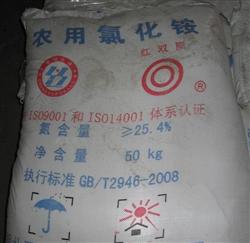
What are the uses of ammonium chloride? This article explains the main uses in detail
What are the uses of ammonium chloride? How is ammonium chloride best applied? We also ask knowledgeable readers to help explain. Ammonium chloride is a physiologically acidic fertilizer, contains about 25% nitrogen, and appears as white or pale yellow fine crystalline granules or small particles. It has low hygroscopicity, dissolves easily in water, and is easily absorbed by crops. It can be used in agricultural...
-
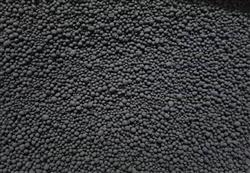
What are microbial fertilizers? One article explains it clearly
What are microbial fertilizers? What characteristics do microbial fertilizers have? We ask knowledgeable readers to help explain. Microbial fertilizers refer to specific products that contain living microorganisms and, through the specific action of those microorganisms, provide nutrients to plants and regulate plant growth. When applied in agricultural production, they can achieve specific fertilizer benefits...
-

How effective is paraquat as a herbicide? Explained clearly in one article
How effective is paraquat? How should paraquat be used for good results? At the request of readers, Zhongdi Network has compiled the characteristics and usage methods of the herbicide paraquat, listed below for readers' reference. Characteristics of paraquat: 1. Kills anything green on contact - weeds and crops alike are wiped out. 2. Fast weed-killing speed...
-
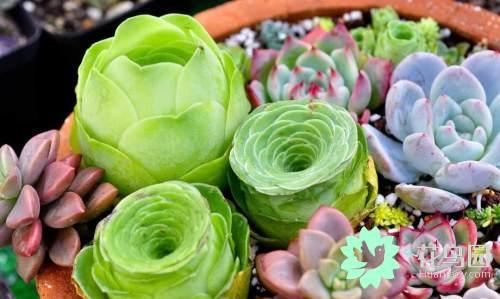
What are the key points for succulent plant care in July? Explained in one article
July, the hottest time of the year has arrived! Its climate is characterized by high temperatures, muggy heat and humidity. July is also a month prone to natural disasters such as floods, hail and strong winds, and for some parts of the south, typhoons may also arrive! This...
-
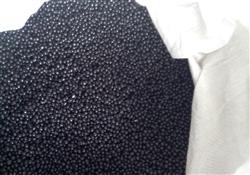
What is the difference between biofertilizer and chemical fertilizer? Explained clearly in one article
What is the difference between biofertilizer and chemical fertilizer? Please refer to the table below for the differences between biofertilizer and chemical fertilizer: Biofertilizer Chemical fertilizer A living fertilizer, strongly selective about temperature, humidity, sunlight, etc. Not alive, little affected by temperature, humidity, sunlight, etc. Provides nutrients gently and persistently, contains many nutrients needed by plants, ...
-
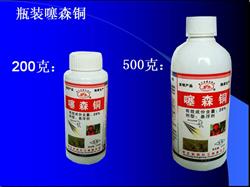
How should copper-based fungicides be used properly? Key points of application explained
How should copper-based fungicides be used properly? Please explain the application method. Copper-based fungicides, as one of the important fungicides, have the characteristics of being the earliest developed and applied, the longest used, the largest application area, the best sterilization effect, and the most uses. Copper-based fungicides can prevent and control both fungal diseases and...
条件筛选