-

Nitrogen Fertilizer Application Guide: Correct Fertilization Methods and Dosage Explained
Nitrogen Fertilizer Application Guide
-
How Can the Same Orchid Plants Be Differentiated? Professor Chen Explains in Detail
Professor Chen on How the Same Orchid Plants Can Be Differentiated
-
How to choose orchid pot drainage layer materials? Key points explained at once
A brief discussion of orchid pot drainage layer materials
-
How is viral disease treated? Xu Dongsheng explains for you
Xu Dongsheng: How to treat viral disease
-
Simple Management Methods for Chinese Orchids Explained (Part 5)
Simple Management of Chinese Orchids (Part 5)
-
-
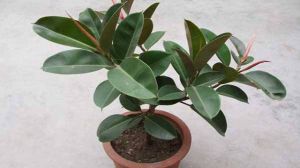
How to propagate a rubber plant by layering? Detailed method and steps explained
For rubber plant layering, it is generally best to choose the rainy season. We select branches that have brownish-red stems on top; they must not be too tender, and then we peel the bark. The layering method is fairly complicated, and the process includes peeling the bark and other steps. After layering, make sure to maintain humidity. Once white roots grow, it can be planted into a flower pot.
-
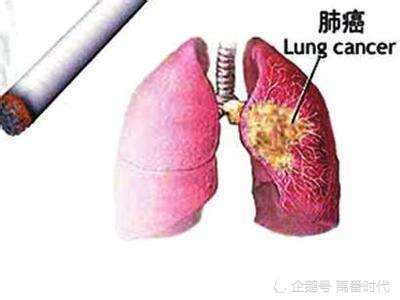
How does Traditional Chinese Medicine explain coughing up blood in lung cancer
Cancer is not something that exists only today; it also existed in ancient times, and the same is true of lung cancer. In Traditional Chinese Medicine, the understanding of lung cancer is classified respectively under categories such as lung accumulation, cough, chest pain, abdominal masses, and coughing blood, which mainly depends on which main symptom is most prominent, for example in lung cancer...
-

Is Coleus a Toxic Plant? Let Us Explain the Toxicity of Coleus
Coleus is a very beautiful flowering plant, ideal for growing in pots for ornamental purposes. Its care and maintenance are also very convenient. Since it is grown mainly for its foliage, it needs to be pinched back multiple times starting from the seedling stage to encourage more...
-
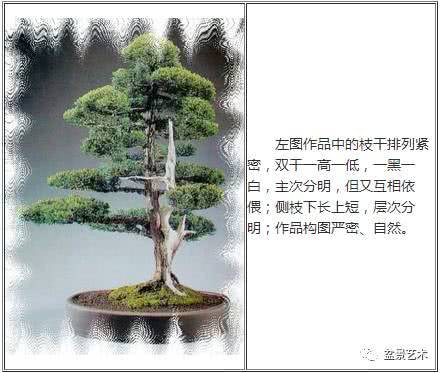
What are the four virtues of bonsai? This article explains in detail
(1) Having a compact structure The branches and the trunk can complement each other, interlock closely, have primary and secondary elements, and highlight the center. The upper and lower parts, and the left and right parts, can cooperate and echo each other, just as writing an essay requires introduction, development, transition, and conclusion. Viewed from below...
条件筛选