Is Coleus a Toxic Plant? Let Us Explain the Toxicity of Coleus
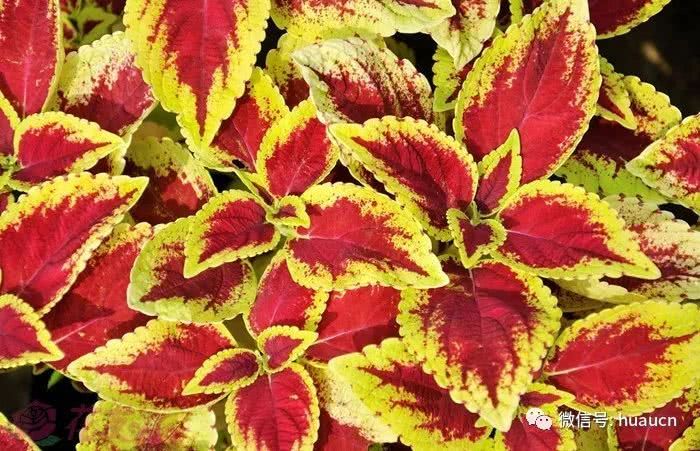
Coleus is a very beautiful flowering plant, ideal for growing in pots for ornamental purposes. Its care and maintenance are also very convenient. Since it is grown mainly for its foliage, it needs to be pinched back multiple times starting from the seedling stage to encourage more new branches and leaves, making the plant fuller and more attractive in shape. However, when flower spikes appear, they should be removed promptly so they do not detract from its ornamental value.
Herbs: Blooming Seasons of Common Herbaceous Flowers
Because coleus is as vibrant as a flower, it is often widely used as a potted plant in office environments or homes. Yet attractive flowering plants often contain certain toxins. Coleus also has extremely high ornamental value, but is this flowering plant toxic? Can it be kept indoors for care and maintenance?
Actually, this is a misconception. Not all beautiful flowering plants are toxic. Coleus belongs to the Lamiaceae family, and plants in the Lamiaceae family generally do not contain toxins. Not only that, but some varieties such as perilla and mint can even be eaten!
Herbs: Common "Nutrient Deficiency Symptoms" in Plants
The Lamiaceae family differs from the Euphorbiaceae and Anacardiaceae families. Plants in the Anacardiaceae family in particular often contain highly potent toxins and should not only be forbidden for consumption but are also not recommended for growing in pots. This is because once human skin comes into contact with the sap of Anacardiaceae plants, it causes severe skin irritation. Plants in the Euphorbiaceae family such as Chinese leptopus (Leptopus chinensis), and plants in the Moraceae family such as the upas tree (Antiaris toxicaria), all contain highly potent toxins. No matter how attractive they are, they are not suitable for growing in pots.
However, although coleus does not contain toxins, it should not be eaten. This is because even plants without toxins may contain other substances unsuitable for human absorption, which can likewise harm the human body. Therefore, the value of coleus lies mainly in its ornamental qualities.
·END·
An interactive platform for flower growing, gardening and green plant enthusiasts to chat, show off and have fun. An online home for sharing flower cultivation methods and household gardening tips. A fresh flower subscription platform.
Fresh flowers: Hyacinth|Stock|Plum blossom|Carnation|Camellia|Kalanchoe|Jasmine|Gardenia|Peach blossom|Balloon flower|Osmanthus|Calla lily|Lily|Forget-me-not|Clivia|Apricot blossom|Honeysuckle|Aglaia|Tree peony|Sunflower|Chrysanthemum|June snow|Crown of thorns|Tulip|Narcissus
Green plants: Poinsettia|Money tree|Pothos|Spider plant|Dumb cane|Lucky bamboo|Asparagus fern|Aloe|Ivy|Anthurium|Monstera|Bougainvillea|Silk tree|Peace lily|Schefflera|Boxwood|Sago palm|Rubber plant|Maidenhair fern|Snake plant|
huau.cn
……
Search the public account "Flower Friends" or "huaucn" for the latest information