-
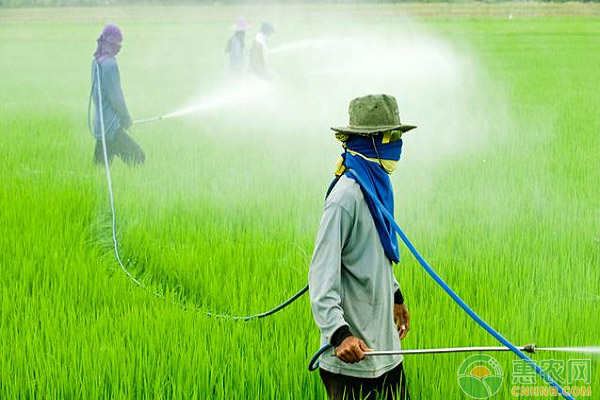
Several key points for mixing foliar fertilizer with pesticides; if you don't get them right, you're likely spraying for nothing
When mixing foliar fertilizer with pesticides, pay attention to the following several key points, otherwise you're spraying for nothing
-

Severe Potassium Loss After Flooding Makes Potassium Supplementation Essential for Crops
In past years, in several provinces along the middle and lower reaches of the Yangtze River, potassium deficiency symptoms were commonly seen in crops such as cotton, rice, corn, soybeans, and peanuts. Apart from some soils being inherently low in potassium, this was largely related to the heavy rainfall during the crop growing season this year, which caused considerable potassium loss. In cotton, most fields showed potassium deficiency...
-
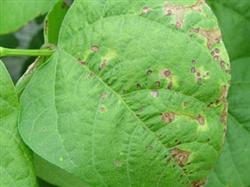
Clever use of fertilizers can effectively reduce crop diseases
Research and practice have proven that using chemical or organic fertilizers to control crop pests and diseases is not only economical, safe and effective, but also saves pesticides, while at the same time having a fertilizing effect and the characteristics of not harming natural enemies and not polluting the environment. It can be said to achieve multiple benefits at once and is well worth promoting in production. Nitrogen fertilizer: 1. Ammonium bicarbonate...
-
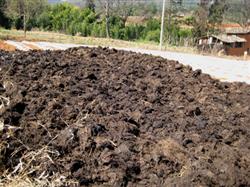
Apply organic fertilizer in moderation, and never apply it blindly in excess.
Composting with microbial agents, compared with traditional composting, has the characteristics of being convenient to ferment, saving labor and time, having low cost, and providing high fertilizer efficiency. The specific method is to use roadsides, field edges and abandoned pits and ponds, add water, urea and microbial agents to wheat and corn straw in a certain proportion, pile them layer by layer, then seal them tightly with soil or mud for decomposition...
-
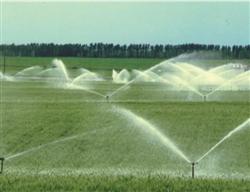
Which fertilizers cannot be applied by flushing? Fertilization taboos every grower must know
Flush fertilization is widely used on greenhouse and open-field vegetables, mainly for topdressing during the vigorous growth period of vegetables. But not all fertilizers can be applied by flushing; only water-soluble fertilizers can be applied by flushing with water. For nitrogen fertilizers, urea, ammonia water, ammonium sulfate and ammonium nitrate are commonly used; for potassium fertilizers, potassium chloride and potassium sulfate are commonly used, and potassium nitrate can also be used for flush...
-
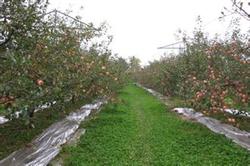
Clever fertilizing starts with mastering the principles of fertilizer use
What types of fertilizer are commonly used in apple orchards? Base fertilizer in apple orchards is mostly organic fertilizer, combined with an appropriate amount of nitrogen, phosphorus, and potassium chemical fertilizers and trace element fertilizers; topdressing mainly uses chemical fertilizers; when correcting nutrient deficiency symptoms, trace element fertilizers need to be added on top of normal fertilization. (1) Organic fertilizers: barnyard manure, compost, chicken manure, human excrement...
-
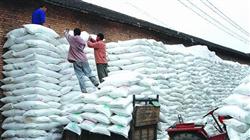
How to tell good fertilizer from bad? Try these methods in everyday situations
How do you usually tell good fertilizer from bad? Here are some methods you can refer to for identifying the quality of fertilizer: 1. Packaging identification method ① Check the markings: Relevant national authorities stipulate that fertilizer packaging bags must indicate the product name, nutrient content, grade, trademark, net weight, standard code, factory name, factory address, production...
条件筛选