-

Several key points to note when topdressing edible fungi
The following points must be noted when topdressing edible fungi
-
How to increase mushroom yield? A detailed explanation of several practical methods
Several methods for increasing mushroom yield
-
Several Suggestions for the Comprehensive Utilization of Spent Mushroom Substrate
Several Suggestions and Recommendations for the Comprehensive Utilization of Spent Mushroom Substrate
-
Clever use of gypsum powder in edible mushroom production boosts both yield and income
Clever use of gypsum powder in edible mushroom production boosts both yield and income
-
Identification and Control of Several Common Diseases of Edible Fungi
Identification and Control of Several Edible Fungus Diseases
-
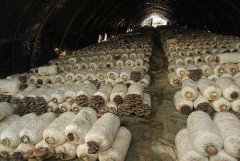
Using coffee grounds to grow mushrooms has many clever uses; how much is a ton of spent mushroom substrate?
What are some of the clever uses of coffee grounds? Coffee grounds are usually treated as waste, but they actually have many clever uses, such as being used to remove odors, and they can also be used as soil for growing mushrooms. Coffee grounds contain a large amount of antioxidants and are very suitable as a nutrient source in soil.
-
How to prevent and control several common diseases of straw mushrooms?
① During the mushroom bud formation stage, control the temperature at 25-28°C. When the temperature suddenly drops below 20°C in early autumn, cover the shed with straw curtains for insulation; ② During the mycelium growth stage, the light should be dimmer to prevent strong light stimulation from causing premature mushroom bud formation; pile the straw firmly to help the mycelium connect tightly; ③ During the mycelium growth period, spray rotenone and dichlorvos around the culture material on the mushroom bed to kill pests such as millipedes and woodlice; ④ The spawn must be isolated or introduced every year and stored at a suitable temperature; ⑤ Regularly sprinkle water on the beds around the material blocks or irrigate in the bed furrows to keep the bed moist.
-
Clever Fertilizer Mixing Methods for Pollution-Free Mushroom Cultivation
1. 1%-2% soybean milk: take 500-1000 g of soybeans, soak them, grind them into a slurry, filter out impurities, add 50 kg of clean water, and spray. It can make the mushrooms white and tender with thick and sturdy stems, and can increase yield by 8%-15%. 2. 0.3%-0.5% salt water: add 150-200 g of table salt to 50 kg of clean water, stir until dissolved, and spray. It can make the mushrooms pure white with thick and sturdy stems, and can increase yield by 12%-17%. 3. 0.02%-0.05% yeast powder: add 25 g of pure yeast powder to 50 kg of water, stir well, and spray.
-
A Detailed Guide to Cleverly Making Pollution-Free Mushroom Fertilizer
1. Soymilk fertilizer: Take 500-1000 g of soybeans, soak them, grind them into a slurry and filter it. Add 50 kg of clean water to the filtrate, stir well, and spray it on the mushrooms to increase mushroom yield. 2. Salt water fertilizer: Take 150-250 g of table salt, dissolve it in 50 kg of clean water, and spray it to make the mushrooms thick and sturdy and increase yield. 3. Plant ash extract fertilizer: Take 2 kg of plant ash, add 20 kg of water and soak for 24 hours. After filtering, add water to the filtrate up to 100 kg, and spray 0.5-1 kg per sq m
-
A detailed guide to the clever preparation of pollution-free mushroom fertilizer
1. Soybean milk fertilizer: Take 500-1000 grams of soybeans, soak them in water and grind them into a slurry, filter out impurities, add 50 kg of clean water, stir well and spray. This can make mushrooms white and tender with thick, sturdy stems. 2. Salt water fertilizer: Take 150-250 grams of table salt, put it into 50 kg of clean water, stir until dissolved and spray. This can make the mushrooms pure white in color, with thick, sturdy and high-quality fruiting bodies. 3. Yeast fertilizer: Take 25 grams of pure yeast powder, add it to 50 kg of clean water, stir well and spray. This can promote the formation of fruiting bodies, increase the number of mushrooms and make the fruiting bodies robust. 4. Glucose fertilizer:
条件筛选