-

Camellia anthracnose is severe, what should you do? Teach you effective prevention and control methods
What to do when camellia has severe anthracnose
-
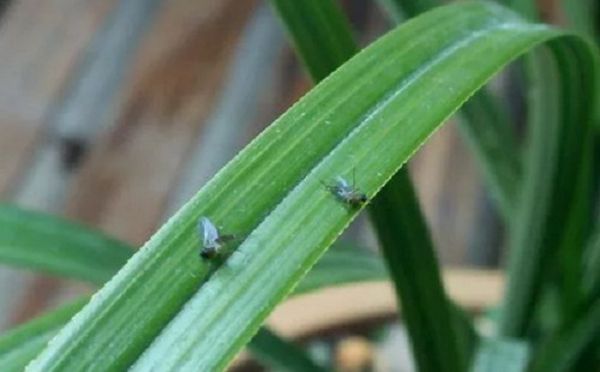
How to Deal with Small Flying Insects in Flower Pots? Effective Methods to Teach You
What to Do If There Are Small Flying Insects in Flower Pots?
-

Effective Methods to Prevent Browning After Lily Harvest
During the harvesting and storage of lilies, prolonged exposure to sunlight causes the lily scales to change color from white to brown, a condition known as browning. Browning is an oxidation reaction catalyzed by biological enzymes in the lily scales. Browning reduces the quality of commercial lilies; in the case of lily seed bulbs, browned bulbs have a low germination rate and are prone to rotting. This year lilies matured early, and harvesting is expected around early July, so attention should be paid to preventing browning early. During harvesting, care should be taken to provide shade coverage. Under strong direct sunlight
-
What to Do About Root Rot in Golden Privet? A Detailed Guide to Effective Prevention and Control Methods
To prevent root rot, pay attention to the following points: 1. Do a good job of disinfecting the seedbed. Avoid using land that has previously been sown or used for cuttings of similar seedlings as a seedbed. 2. Do a good job of disinfecting the cuttings. After cuttings are inserted, the entire seedbed should be disinfected; generally, the branches can be soaked directly in thiophanate or carbendazim solution, which gives a clear disinfection effect. 3. Pay attention to rooting time. Golden privet is a plant of the Oleaceae family that roots very easily; its cutting method can follow that used for golden-leaf privet, with attention to management and timely spraying of medicine to prevent disease. 4. Open
-
What to do about false rooting in rose cuttings? Teach you effective prevention methods
Autumn is a great time for softwood cuttings of roses. At present, cuttings are still the main method of propagating roses. It can not only maintain the characteristics of superior rose varieties, but also has a high propagation coefficient, a short production cycle, low input and quick results, and is still adopted by many flower growers. However, in the process of rose cuttings, "false rooting" often occurs due to lack of experience or improper methods. That is to say, 5-10 days after the rose is cut, the axillary buds on the cutting have already sprouted or produced shoots and leaves, and it looks as if it has taken root, but soon it wilts and dies. To avoid rose cut
-
How to Effectively Prevent and Control Tobacco Viral Disease? Methods and Techniques Explained
How to prevent and control tobacco viral disease? Viral disease is the most serious disease of tobacco in China, and it tends to become increasingly severe. Based on the current characteristic that tobacco viral disease is mainly aphid-borne viral disease, and in view of the current situation that there is still no effective control agent for tobacco viral disease, we used non-woven fabric to cover tobacco to prevent...
-

What to Do When Jasmine Gets Pests? Effective Control Methods to Teach You
What to Do When Jasmine Gets Pests
-
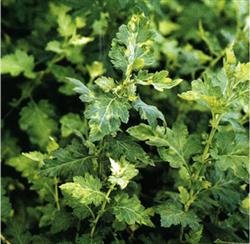
What are the effective control methods for chrysanthemum viral disease?
How to effectively control chrysanthemum viral disease? Please explain. Viral disease is a disease that occurs easily on chrysanthemums, and control must be strengthened. 1. Strict quarantine. Chrysanthemum plants with viral disease are virus-carrying bodies. When introducing varieties, strict quarantine must be carried out to prevent the virus from being spread artificially to virus-free areas, or spread out from virus areas and expanding the affected area...
-
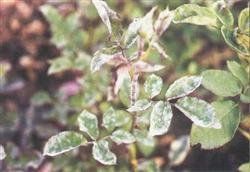
What Is Rose Powdery Mildew? A Detailed Guide to Effective Treatment Methods
What is rose powdery mildew? How is it cured? Please explain. Rose powdery mildew is caused by a fungal pathogen infecting the leaves, flowers, and tender shoots of roses. In early spring, the leaves that unfold from infected buds are covered on both the upper and lower surfaces with a white powdery substance. The leaves shrivel, curl backward, and thicken, then gradually dry up and die, becoming the primary source of infection. During the growing season, leaves...
条件筛选