What are the effective control methods for chrysanthemum viral disease?
How to effectively control chrysanthemum viral disease? Please explain. Viral disease is a disease that occurs easily on chrysanthemums, and control must be strengthened. 1. Strict quarantine. Chrysanthemum plants with viral disease are virus-carrying bodies. When introducing varieties, strict quarantine must be carried out to prevent the virus from being spread artificially to virus-free areas, or spread out from virus areas and expanding the affected area...
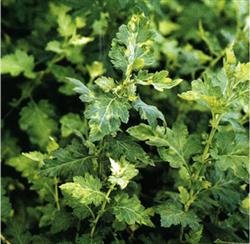
How to effectively control chrysanthemum viral disease? Please explain.
Viral disease is a disease that occurs easily on chrysanthemums, and control must be strengthened.
1. Strict quarantine. Chrysanthemum plants with viral disease are virus-carrying bodies. When introducing varieties, strict quarantine must be carried out to prevent the virus from being spread artificially to virus-free areas, or spread out from virus areas and expanding the scope of the affected area.
2. Control virus-transmitting vectors. To control virus-transmitting aphids, use 40% omethoate or dimethoate 2000x solution, or 50% malathion, 20% and 70% menazon each at 1000x solution. 50% pirimicarb wettable powder 2000-3000x solution has a special effect when sprayed to control green peach aphids. Insecticides such as dimethoate and malathion also have good control effects on thrips. In addition, using the repellent effect of silver-gray film to drive away aphids and other vector insects also has a good effect.
3. Select and breed disease-free propagation material. Take cuttings from virus-free plants as propagation material; where conditions permit, shoot-tip tissue can be used to culture virus-free seedlings. Potted chrysanthemums carrying the virus placed under 36°C conditions for 3-4 weeks can remove the virus. After heat treatment, the virus in chrysanthemums has been inactivated, and they can be used as propagation material.
4. Pay attention to cleanliness and hygiene. In maintenance and management, activities such as transplanting seedlings, pruning, pinching tips and cutting flowers all carry the risk of spreading the virus. Therefore, pay attention to the hygienic handling of hands and tools. It is best to wash hands with soap before operating, and first sort healthy plants, then sort diseased plants or possibly diseased plants, to avoid spreading the virus through artificial contact.
Click to get more chrysanthemum growing techniques
Click to get more flower growing techniques