Camellia anthracnose is severe, what should you do? Teach you effective prevention and control methods
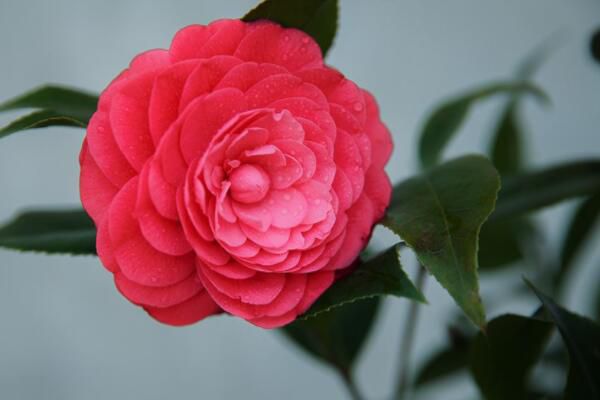
When camellia has severe anthracnose, treatment must be carried out promptly. First remove the diseased leaves and maintain a ventilated and breathable environment for the whole plant. You can spray with 50% carbendazim wettable powder 700-800 times solution and 75% chlorothalonil wettable powder 600 times solution, once every 7 to 10 days, for 3 to 4 consecutive times until the disease is completely eliminated.
Solutions for severe camellia anthracnose
I. Harm of anthracnose
Anthracnose is a relatively harmful disease. When camellia develops severe anthracnose, light brown spots appear on the twigs, and as the disease expands they gradually dry out and turn white, with small black dots forming. When the disease is severe, it causes a large number of branches and leaves to fall off and twigs to die.
II. Removal of diseased leaves
When camellia has severe anthracnose, it must be addressed promptly. First remove some of the diseased leaves from the plant and clean the remaining branches and leaves. Maintain a ventilated and breathable environment for the whole plant, and loosen the soil regularly to keep it loose, which benefits root growth. Fertilizer should be mainly organic fertilizer, and fertilizer burn must not occur.
III. Spray treatment
For severe camellia anthracnose, spray treatment should be carried out promptly. For example, you can spray with 50% carbendazim wettable powder 700-800 times solution, 75% chlorothalonil wettable powder 600 times solution, or 25% carbendazim wettable powder 500 times solution, once every 7 to 10 days, for 3 to 4 consecutive times until the disease is completely eliminated.
IV. Care and management
When severe camellia anthracnose gradually improves, care and management should be done well to prevent recurrence. Receive sufficient sunlight every day, which benefits healthy and lush growth. Carry out fertilizer and water measures regularly, and there must be no waterlogging or fertilizer burn. Maintain the most suitable growth temperature, and do not place it in high or low temperature environments.