-

Rape/Corn/Soybean Rotation Planting Increases Both Yield and Income
"Rape/Corn/Soybean" Rotation Planting Increases Both Yield and Income
-
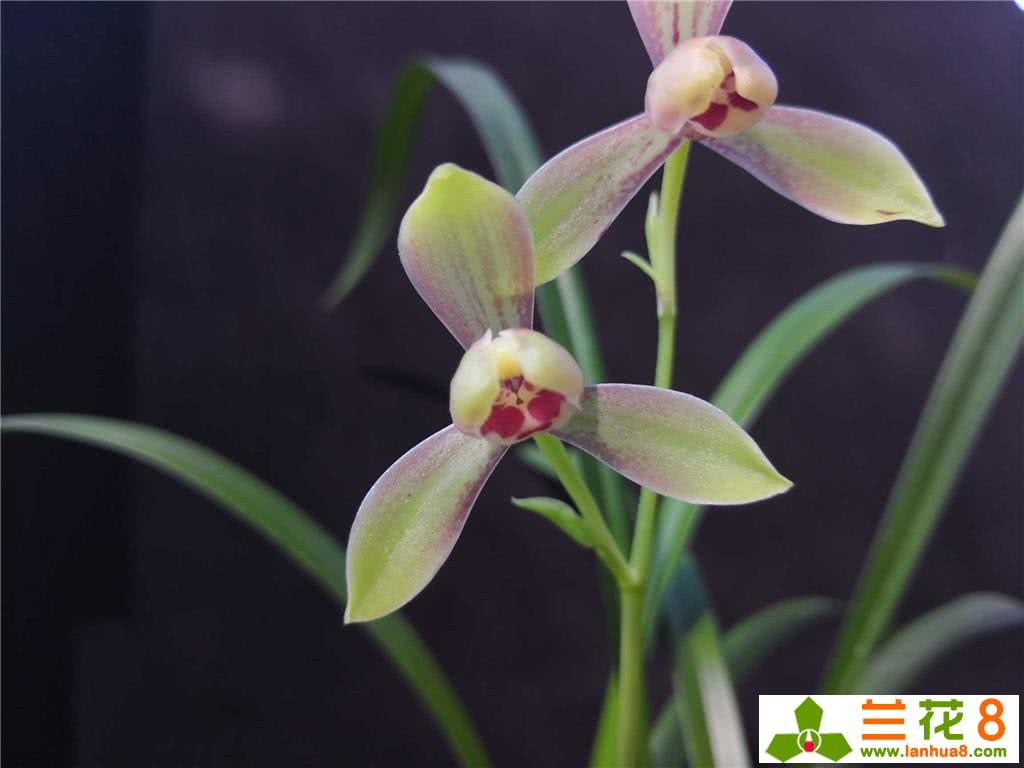
A Detailed Guide to Identifying and Treating Common Orchid Pests and Diseases
In the process of growing orchids, we often find that orchid roots are thin and delicate, weak, or decaying and necrotic; leaves have black spots, brown spots, rust spots, scorched tips, or dry and dehydrated leaves; the whole orchid plant declines and turns yellow; and new shoots either die as soon as they emerge or become stunted buds...
-

Lotus Planting Methods and Common Diseases Explained
Some friends have a large space at home and even their own garden, which makes it very suitable for growing some larger plants. Although lotus does not take up much space, it still needs a certain amount of room to grow. If you grow your lotus well, you can enjoy the lotus flowers without leaving home.
-
Applying nitrogen fertilizer properly to effectively prevent and control plant pests and diseases
Nitrogen fertilizer is one of the fertilizers we use more commonly. In fact, many studies and practices have shown that rational fertilization can prevent and control crop pests and diseases. In the process of fertilizing, it is possible both to apply fertilizer and to avoid polluting the environment, so it can be said to achieve multiple benefits at once. So how exactly can nitrogen fertilizer be used to prevent and control plant pests and diseases?
-
Three Flower Diseases That Can Be Treated with Edible Vinegar
Edible vinegar is a condiment every household keeps on hand, but did you know that edible vinegar can also be used to treat flower diseases? Using edible vinegar to treat flower diseases is not only low in cost, but the treatment results are also very good
-
What do parasitic flower diseases mean?
For flower diseases, they can generally be divided into physiological diseases and parasitic diseases. Physiological diseases are generally burns caused by strong light, frost damage caused by low temperatures, and so on, summarized as being caused by unsuitable conditions such as climate and soil. So what are parasitic flower diseases?
-
A Detailed Guide to Common Diseases of Tuberose and Their Treatment
Tuberose is what we commonly call night-blooming jasmine. Because tuberose has a particularly intense fragrance at night, it is deeply loved by people. However, if tuberose is not managed properly, it is also prone to disease. The editor will introduce the common diseases of tuberose and their treatment methods for you. Friends who like tuberose can learn together.
-

RT-Mart Fined NT$3.5 Million for Publishing False Information About Toilet Paper Price Increases
In its 1375th Commissioners' Meeting on the 14th (yesterday), the Fair Trade Commission resolved that RT-Mart Distribution Co., Ltd. (hereinafter referred to as RT-Mart) engaged in promotional conduct by publishing false information about toilet paper price increases, misleading consumers and triggering...
-
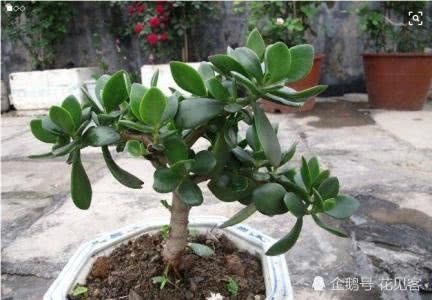
3 diseases that frequently strike jade plants in summer, prevent and treat them early to avoid ending up with an empty pot
The jade plant is a green plant loved by many flower enthusiasts. Its leaves are thick and fleshy, like green jade, the plant is elegant, and its branches are vigorous and simple, full of the charm of an ancient tree. This is also an important reason why everyone loves it, and in summer and autumn, it blooms in profusion...
-
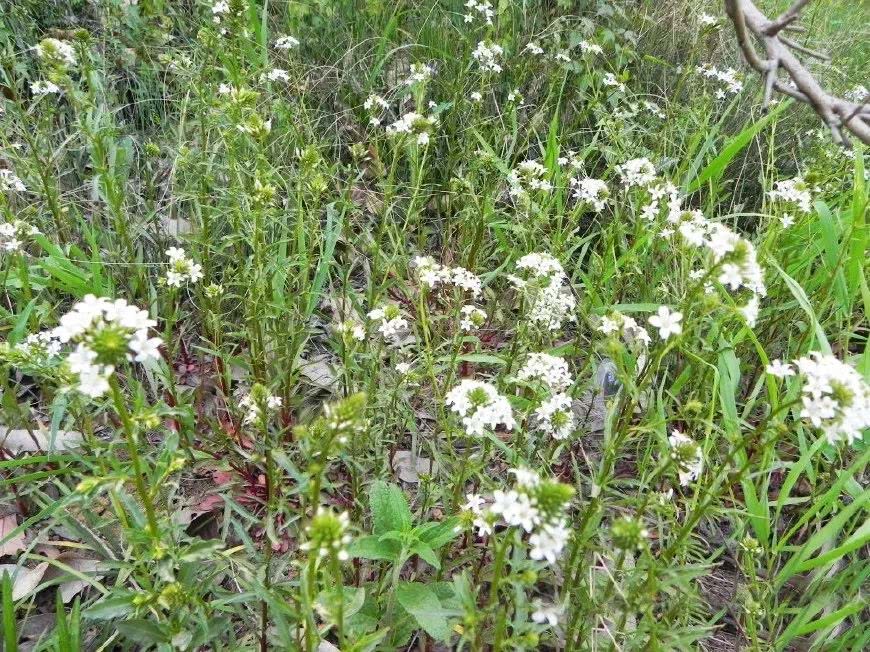
The wild grass in the ditch is highly valuable, can be used to make soup and even cure diseases, do not underestimate it
Warm reminder: Hemu Report aims to share and popularize information about various plants and their uses, for reference only. If medicinal use is needed, it is recommended to consult a professional physician to avoid problems! In rural wild areas, the most common thing is wild grass, whether in front of or behind houses...
条件筛选