A Detailed Guide to Identifying and Treating Common Orchid Pests and Diseases
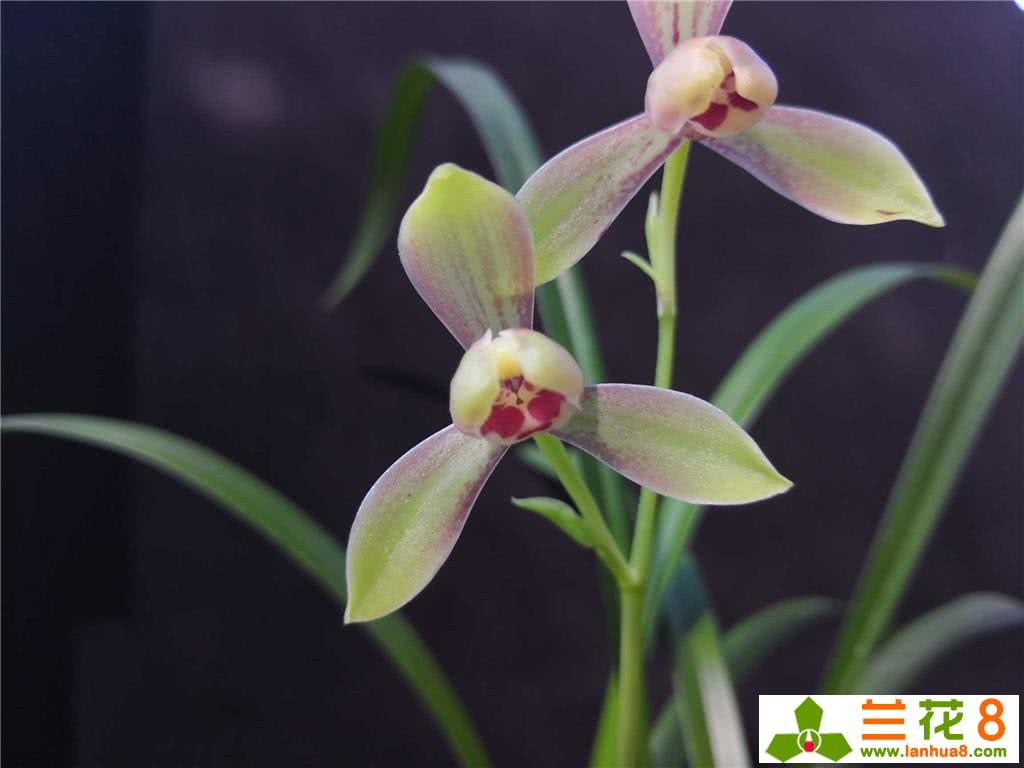
In the process of growing orchids, we often find that orchid roots are thin and delicate, weak, or decaying and necrotic; leaves have black spots, brown spots, rust spots, scorched tips, or dry and dehydrated leaves; the whole orchid plant declines and turns yellow; and new shoots either die as soon as they emerge or become stunted buds. When abnormalities appear in orchid plants, we must first distinguish what is causing them: environmental factors, nutritional factors, or pest and disease factors. Only when we clearly understand the cause can we use scientific methods to treat the problem accordingly and effectively help your orchids recover their health and vitality. If we do not figure out the cause and blindly treat the symptoms of the orchid plant, it will only make the condition gradually worse or treat the symptoms but not the root cause. After a while it will happen again, along with other symptoms appearing as well, and in the end all that is left is regret and remorse.
First, orchid root tip rot
1. When orchid root tips are exposed to accumulated water in the orchid potting medium for a long time, under poor ventilation conditions, it is very easy for bacteria to multiply rapidly and cause rot.
2. When we plant them, movement of the orchid plant can bruise the root tips, and oil, smoke, or sweat contacting and injuring the root tips can also cause damage.
Prevention and treatment: When repotting and planting, do not touch the root tips. After planting, paying attention to drainage and ventilation in the later stage can effectively prevent and avoid this.
Second, orchid root rot
1. Bruising orchid root tips without healing, plus watering, will cause bacteria to multiply rapidly and lead to orchid root rot. Planting with granular potting medium and maintaining good ventilation can effectively avoid this.
2. Orchid roots that are hollow with no flesh are caused by bacterial erosion, and also by insect feeding. Excessive moisture or excessive dryness, which causes black netting, can both lead to hollow orchid roots. When planting orchids, it is necessary to disinfect and sterilize first, then plant after the wind has dried them to semi-dry, which can effectively avoid this.
Third, orchid bud rot and susceptibility to rust spots
1. Bud rot generally occurs when orchid buds open their leaves; when we water, if water is poured into the leaf center and accumulates there, and if the accumulated water is not dried by wind and is exposed to sunlight, bacteria multiply rapidly inside and invade the orchid plant.
2. During periods of high temperature, generally summer, watering the orchid plant before it has returned to normal temperature makes the buds prone to rust spots, which is very serious. In summer, it is recommended to change the watering time to watering at night, which is better.
Fourth, orchid basal leaf sheaths drying up
1. Orchid basal leaf sheaths drying up is generally caused by stuffy hot weather, poor ventilation, and watering that makes the basal leaf sheaths stuffy and hot.
2. When orchid basal leaf sheaths become black and rotten, it is caused by too frequent watering, potting medium breathability leading to overly wet potting medium, or potting medium not being changed for a long time, causing the potting medium to decompose and powder to increase, resulting in bacterial infection.
3. When orchids have new shoots emerging from the soil, the potting medium should not be able to keep up. The old pseudobulbs will provide nutrients for the growth of the new shoots by declining. The decline manifests as the basal leaf sheaths on the outside of the old pseudobulbs first turning yellow and then rapidly drying up!
Fifth, orchid leaves turning yellow
1. Old orchid leaves rapidly turning yellow and falling off is a normal aging phenomenon.
2. Orchid leaves turning yellow-green while all other parts are normal is generally caused by too strong light.
3. The tips of new orchid leaves appear scorched, and in severe cases the base dies and the roots in the pot die, but without infection. This is caused by too much fertilizer or fertilizer placed too close to the orchid roots.
4. Tender orchid leaves first become hook-shaped, then die from the leaf tips and leaf margins inward. This is caused by calcium deficiency in the orchid plant.
6. The base of tender orchid leaves is light green, dying from the leaf base, and the leaves twist. This is caused by boron deficiency in the orchid plant.
Sixth, orchid flower buds turning yellow or the bud opening not unfolding
1. Orchid flower buds turn yellow and then brown, caused by too great a humidity difference, too high a temperature, or freezing in winter.
2. Orchid flower buds stick together and do not easily unfold, caused by too low humidity and dryness.
3. Degenerated orchid flower buds are caused by genetic factors or unknown physiological factors.
Seventh, orchid flower buds not growing
1. Orchid flower buds not growing, caused by repotting or other external forces.
2. Orchid flower buds not growing, caused by genetic factors or too high a night temperature.
3. Orchid flower buds not growing, caused by insufficient vernalization conditions or a sudden rise in temperature.
Eighth, orchid flowers withering before maturing
1. The base of the orchid lip turning red, due to low temperature damage.
2. The orchid lip turning abnormally red and then withering, caused by the pollinia falling off or already having been fertilized.
3. The outer edge of the orchid lip changing color and withering, with some flowers deformed, due to dehydration from being exposed to light for too long.
Ninth, orchid diseases caused by insects and ants
1. For diseases caused by insects and ants, simply kill the insects and ants. They will manifest as stem rot and soft rot, and prevention should continue afterward.
2. Rot of leaves, buds, growing points, pseudobulbs, and roots is all caused by stuffy hot weather, high temperature, careless watering, water accumulation in the pot, and poor ventilation.
Tenth, fertilizer damage and pesticide injury
1. Fertilizer damage to orchids means excessive fertilizer application, which weakens the growth and resistance of half the plant and causes withering.
2. In order to increase the number of orchid shoots, fertilizing heavily by any means possible may produce a considerable amount of growth over one to two years, but the leaves of the old plants turn yellow and withered, and the roots have all rotted. In severe cases, every new shoot that grows is matched by a shoot that dies.
3. Due to excessive fertilization, too much accumulation, or fertilizer being too close to the orchid roots, the orchid plant cannot process it and is poisoned by the toxins.
Solution: Do not fertilize in summer. Apply thin fertilizer frequently. Place fertilizer at the edge of the orchid pot, farther from the roots. Use less flower fertilizer and more slow-release fertilizer. After using organic fertilizer, be sure to water thoroughly again early the next morning! Author: Mei Fei. I publish orchid knowledge and pictures every day, taking you to understand orchids in depth and teaching you how to grow orchids easily. If you have questions about orchids, you can ask me anytime or leave a comment below. If you like it, you can click the top right corner to save or forward it to help others!