The wild grass in the ditch is highly valuable, can be used to make soup and even cure diseases, do not underestimate it
Warm reminder
Hemu Report aims to share and popularize information about various plants and their uses, for reference only. If medicinal use is needed, it is recommended to consult a professional physician to avoid problems!
In rural wild areas, the most common thing is wild grass. Whether in front of or behind houses, by roadsides, in farmlands, in mountain forests, or even in smelly ditches, all kinds of wild grass can be seen. As for these wild grasses, apart from old farmer friends, most people do not care about them. After all, living conditions are better now, and there is no need to dig up wild vegetables and wild grasses to eat like before, so many people do not know these wild grasses or understand their value. Below, the author introduces one such wild grass that grows in ditches. It is very common, but often overlooked.
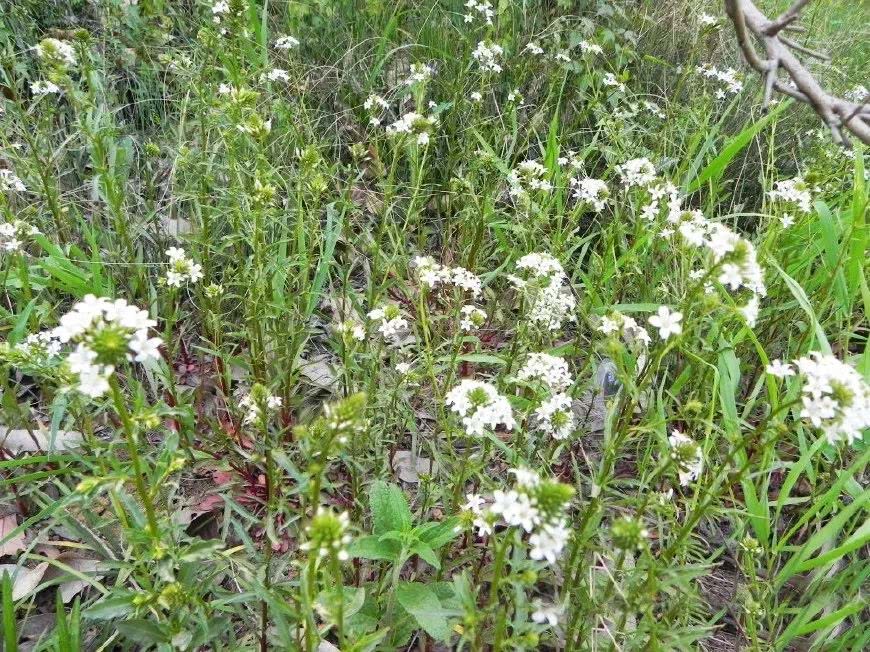
Wild grass is everywhere in rural wild areas. Especially after spring arrives, these wild grasses grow even more vigorously. In rural ditches, there is also such a wild grass growing vigorously. Its stems are upright, its leaves resemble mint leaves, it is very similar to Lysimachia fortunei Maxim. of the Primulaceae family, and its appearance is also similar to water pepper. This wild grass is "Datianjihuang", also known as "false water pepper".
Datianjihuang is a common wild grass in China, found in rural areas of almost every province and city in China. It often grows in rural ditches and farmlands.
For ordinary wild grasses growing in farmlands, farmer friends will generally remove them as harmful weeds, but as for Datianjihuang, quite a few farmer friends like it very much, especially old farmer friends who lived through the famine years, because although Datianjihuang grows in farmlands and ditches and seems like a harmful weed, its value is actually quite high. It can not only be eaten as a wild vegetable, but also used as a herbal medicine. It was once a good disease-curing medicine in the hands of many old farmer friends.
So what specific values does Datianjihuang have?
Regarding its edible value, according to records, Datianjihuang contains protein, vitamins, mineral elements and other nutrients. Its tender stems and leaves are edible, and can be stir-fried or used to make soup, but the most common way to eat it among the people is still to make soup. The soup it makes is bright yellow, hence the name "Datianjihuang". Some farmer friends also call it "yellow eel grass" or "loach vegetable".
Regarding its medicinal value, the whole plant and roots of Datianjihuang can be used as medicine. According to "Chinese Materia Medica", Datianjihuang is pungent in taste and cool in nature, and has the effects of clearing heat and draining dampness, cooling blood and invigorating blood, and detoxifying and reducing swelling. It can be used to treat jaundice, diarrhea and dysentery, red eyes, vomiting blood, bloody strangury, leukorrhea, metrorrhagia and metrostaxis, dysmenorrhea, amenorrhea, sore throat, carbuncles and sores, traumatic injuries, snake and insect bites, and other symptoms.
So do not underestimate it. When used in the right place, it is very valuable.
Dear friends, do you know about "Datianjihuang"? You are welcome to leave a message and exchange views!
Text/Hemu Report, Images/Internet
If you like Hemu's articles, you are welcome to follow