-
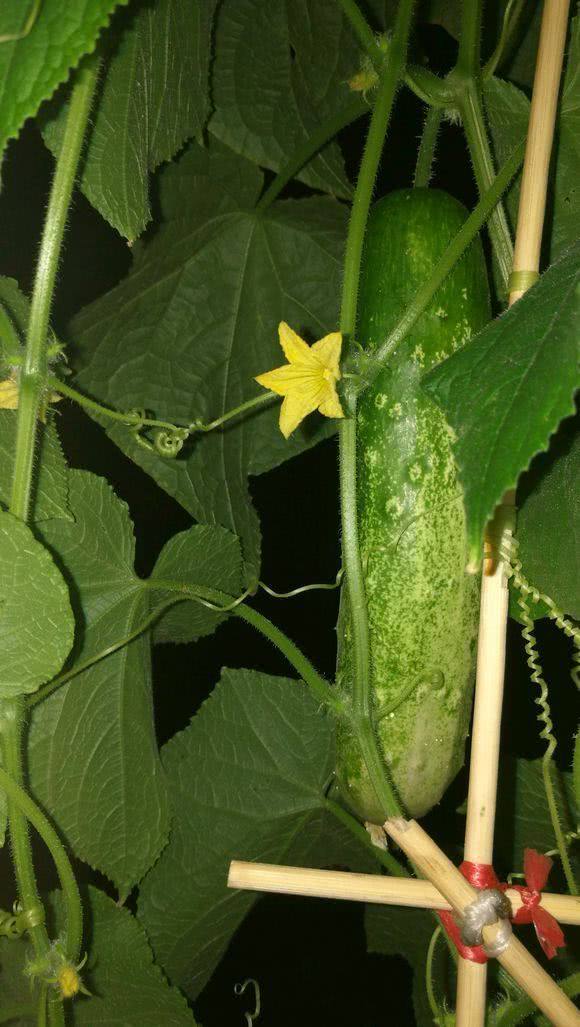
Growing vegetables on the balcony without spraying pesticides? Save these non-toxic pest and disease control remedies
Recently I've been seeing you all sharing your little daily balcony harvests, how come some of you have so many cucumbers and tomatoes you don't even want to pick them! The editor knows that the melons, fruits and vegetables you sowed in spring have entered the mature harvest period. The pollution-free fruits and vegetables you grow yourself are fresh and tasty and...
-
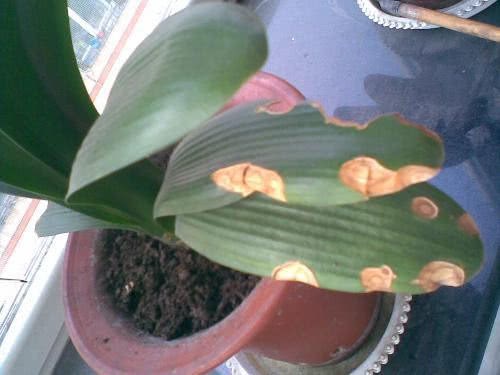
Peak disease season for clivia in summer: take preventive and curative measures in advance to keep pests and diseases away
Clivia is deeply loved by many flower enthusiasts. Its plant shape is elegant and graceful, its leaves are verdant and upright, and its flowers are bright and beautiful. It can be enjoyed for both its foliage and its blooms, and it has very high ornamental value. As summer arrives, clivia enters its peak disease season...
-
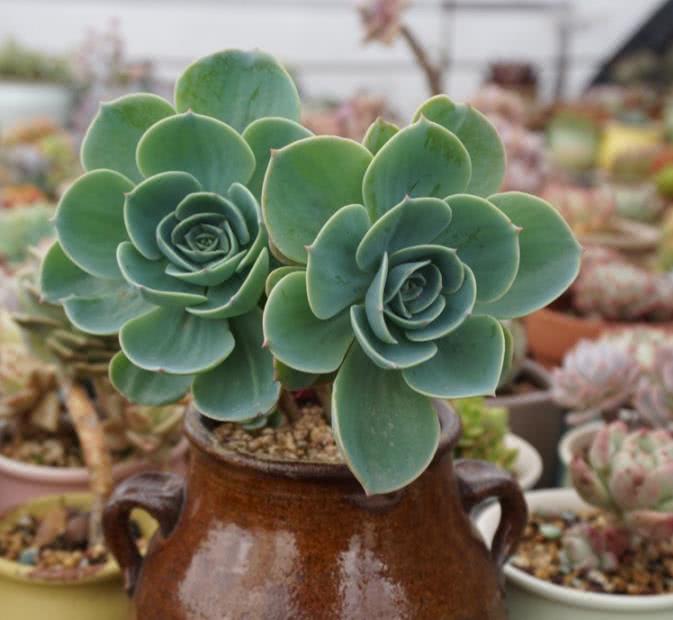
Put this in the bottom of your succulent pots for breathability and water retention, and they will grow plump with ease
Sawdust can be used to grow flowers, but it depends on the specific situation. For example, for cuttings, sawdust can play a role in moisture retention and breathability. For example, when used in growing Phalaenopsis orchids, it can produce an effect similar to sphagnum moss. But if it is a potted flowering plant...
-
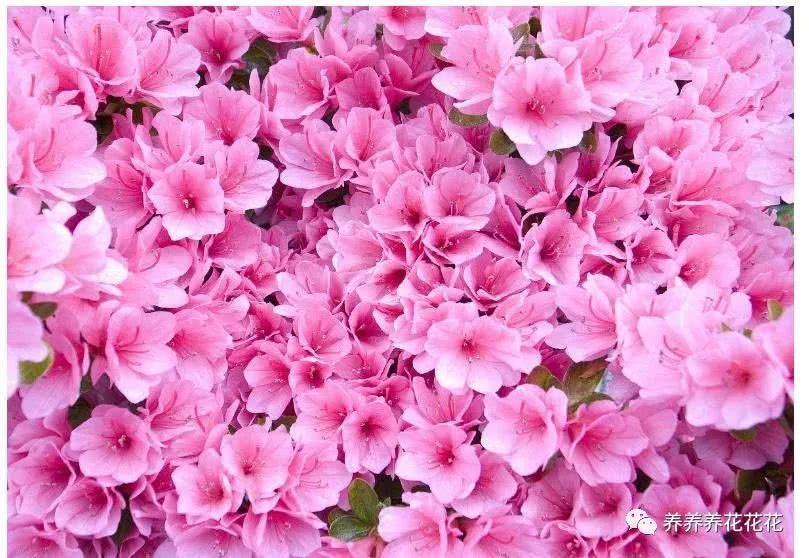
How to grow azaleas? Master a few key points, and they will stay disease-free all year round and bloom all over the branches every year
Recently many flower lovers have asked me how to care for azaleas. Xiao Qi will briefly explain the things to watch out for in azalea care. Azaleas belong to the south, so they like acidic soil. When choosing soil, try to pick soil that contains acid...
-
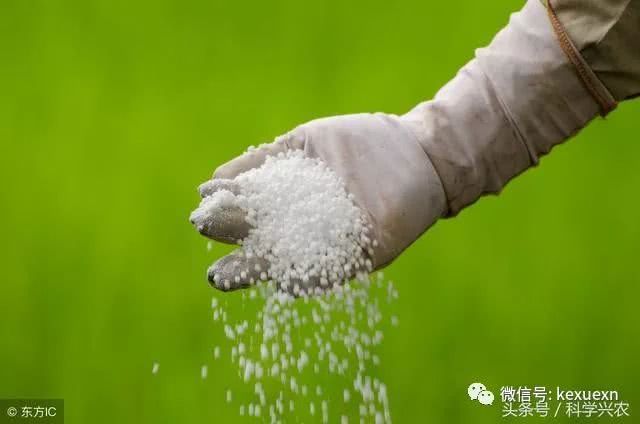
Can corn yield increase with urea alone? Only balanced fertilization can unlock its yield potential
A netizen asked whether corn fields can increase yield with urea alone. Below is my reply. In corn fields, using urea as the only fertilizer still gives a higher yield than using no fertilizer at all, but it is definitely lower than the yield from balanced fertilization. Corn also...
-
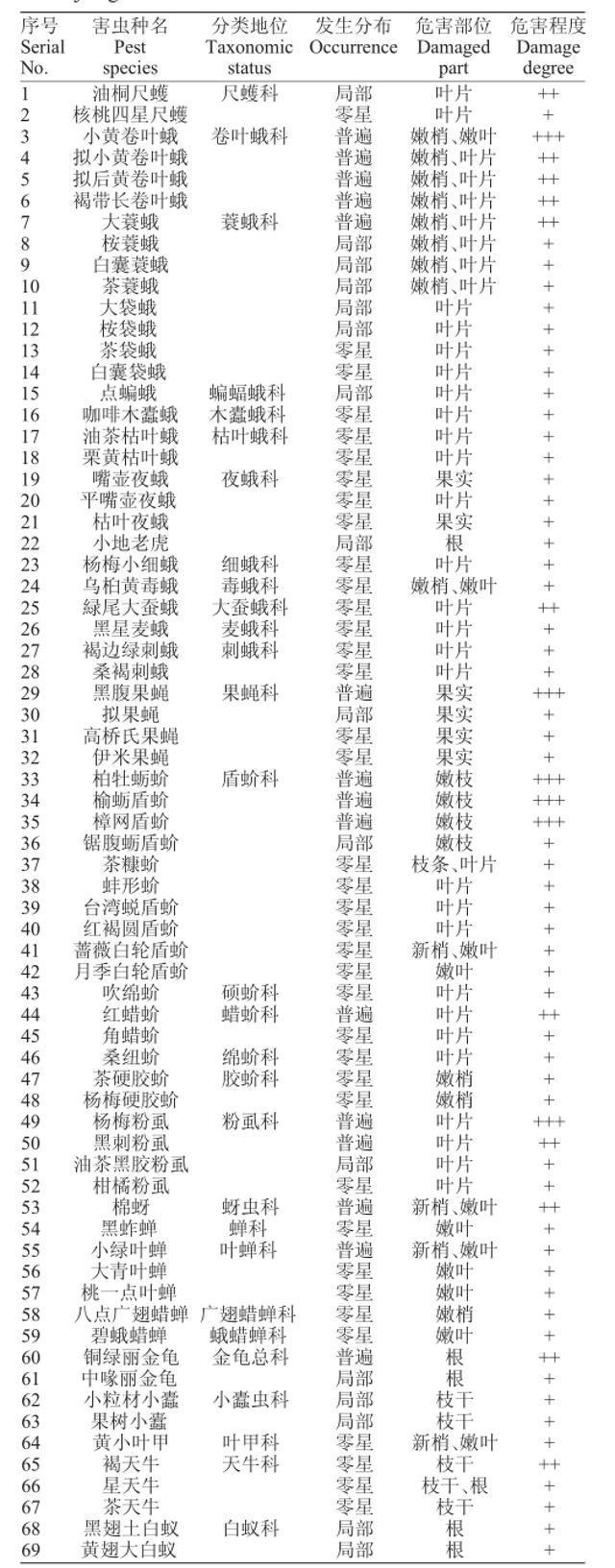
What types of pests and diseases affect bayberry? Occurrence patterns and green control techniques in Zhejiang
Species and Occurrence Patterns of Bayberry Pests and Diseases in Zhejiang Province and Their Green Control Techniques 0 Introduction [Research significance] Bayberry [Myrica rubra (Lour.) Sieb. et Zucc.] is a distinctive fruit of southern China, with a sweet-and-sour taste and unique flavor, enjoying a high reputation both domestically and internationally. Zhejiang Province is the main bayberry production area in China, with a total planting area of 86,500 ha, accounting for about one-third of the national total, an annual output of about 500,000 t, and an output value of 4.83 billion yuan, ranking first in output value among fruits in Zhejiang Province. It is the leading industry for farmers in mountainous and semi-mountainous areas of Taizhou, Wenzhou, Ningbo, Lishui, and Jinhua. In recent years, the bayberry industry in Zhejiang has developed rapidly, especially with the continuous expansion of the planting area of Dongkui bayberry, and the occurrence of pests and diseases has shown an increasingly severe trend, with heavy control tasks and great safety hazards. Therefore, identifying the main pest and disease species and their occurrence and damage patterns in Zhejiang bayberry, and proposing control strategies and green control techniques, is of great significance for ensuring the sustainable and healthy development of the bayberry industry and increasing farmers' income. [Previous research progress] To date, there have been many studies on the main pests and diseases, occurrence patterns, and control techniques of bayberry in various main production areas of Zhejiang Province. Wang Hongxiang et al. (1999), Gong Jieqiang and Wang Hongxiang (2002) reported that the main diseases damaging bayberry in Taizhou City, Zhejiang Province include brown spot disease, cancer disease, red coat disease, dieback disease, branch rot disease, and shoot blight disease, and the main insect pests include scale insects, whiteflies, oil tung geometer moths, leaf roller moths, bagworm moths, and termites. They analyzed the reasons for the increase in pest and disease occurrence and proposed corresponding control measures, but did not go deep into specific pest and disease species investigation and green control techniques. Liu Yougao et al. (2006) reported the occurrence characteristics and control techniques of bayberry cancer disease, brown spot disease, scale insects, and moths in Wenzhou City, Zhejiang Province, but there has not yet been a systematic investigation of other pest and disease species of bayberry, and most of the chemicals introduced in chemical control are not registered on bayberry, making safe pesticide use a difficult problem. Liu Gaoping et al. (2013) and Zou Xiuqin et al. (2015) reported simple net-room cultivation and green control techniques for Dongkui bayberry. Ren Haiying et al. (2014) reported the occurrence and control of bayberry wilt disease and slug moth pests. [Entry point of this study] From the overall research status, the investigation of bayberry pest and disease species and control techniques in Zhejiang is still not systematic and in-depth enough, and the various measures of agricultural, biological, physical, and chemical control still lack organic coordination and matching, thus affecting the implementation of integrated control techniques and the improvement of economic, social, and ecological benefits. [Key problems to be solved] Using a combination of systematic general survey and fixed-point monitoring, experimental research, and demonstration and extension, the main pest and disease species, distribution, and damage conditions of bayberry in the main production areas of Zhejiang Province were investigated, and the green control techniques and integrated management strategies for main bayberry pests and diseases were explored, providing a scientific basis for bayberry pest control.
-
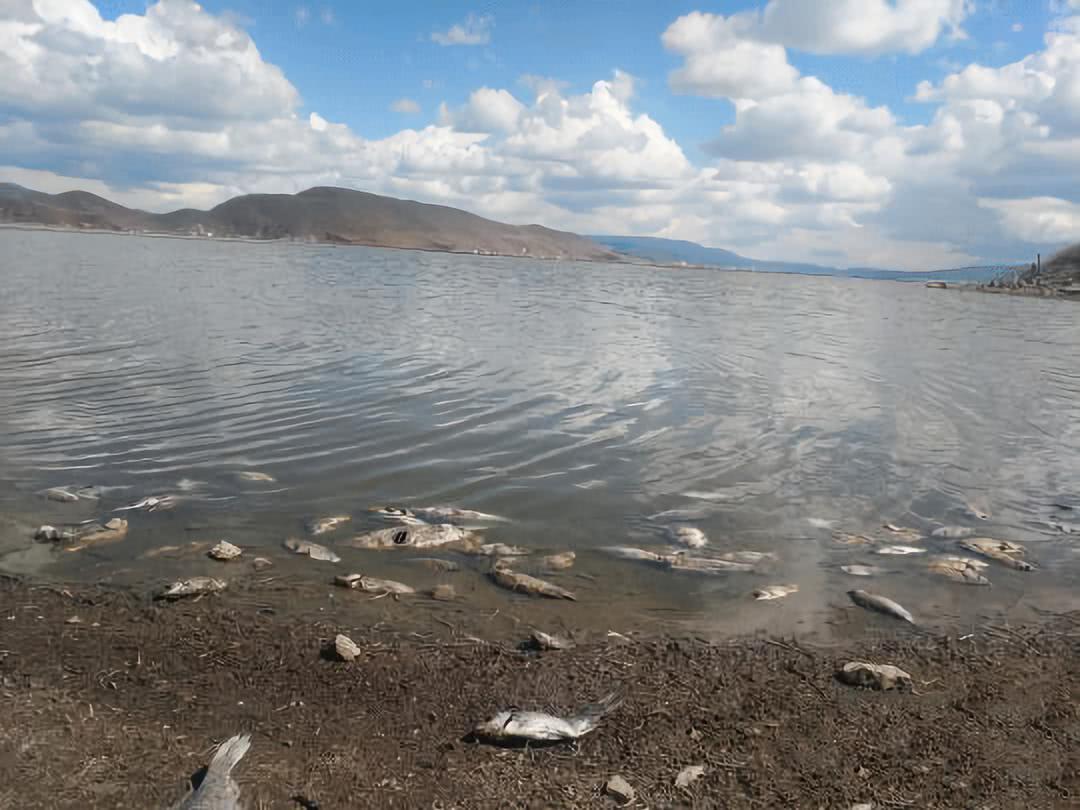
Disorderly Release of Animals Causes Great Harm, Massive Fish Deaths in Lakes and Seas
Recently, a large number of dead fish appeared in the Napahai Lake area of Shangri-La City, Diqing Prefecture, Yunnan Province, drawing widespread attention. A reporter learned from the Publicity Department of the Shangri-La Municipal Party Committee on the 28th that the dead fish were caused by disorderly release of animals combined with the seasonal shrinking of the lake's water area; in mid-February...
-
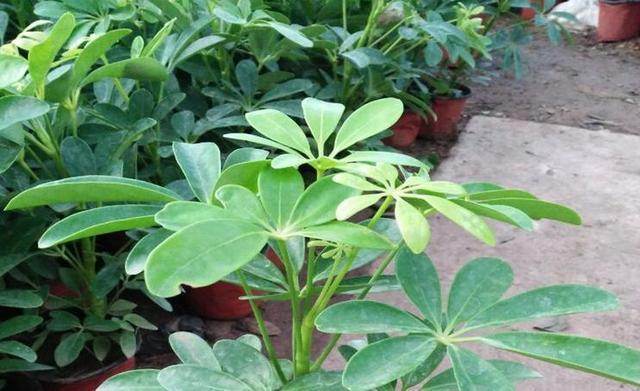
Schefflera Cultivation Techniques: Propagation Methods and Pest and Disease Control
Schefflera Propagation and Pest and Disease Control Cultivation Techniques 1 Growth Habit Characteristics Schefflera prefers moisture and fears dryness, and dislikes direct strong sunlight. The suitable growth temperature is 16-27 °C. Under conditions of high air humidity and sufficient soil moisture, the stems and leaves grow luxuriantly. Gro...
-

The sixth major cause of lung cancer is chronic lung disease
As lung cancer rises to become one of the most dangerous diseases for humanity, many people turn pale at the mention of "cancer," feel panicked, and naturally seek out the causes and preventive measures. In the existing statistics on the causes of lung cancer, six major causes have been identified, the first being smoking, ...
-
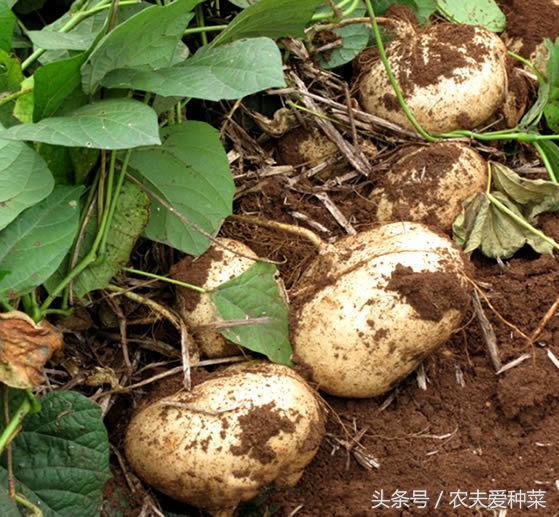
This vegetable takes root as soon as it touches soil, is not prone to diseases and pests, and a single one can grow to more than 2 jin, with high yields
This vegetable is called jicama, also known as yam bean. It grows underground, and a single one can grow to more than 2 jin. It is a relatively common herbaceous vine in China, and because it is nutritious and as high-yielding as sweet potato, it is widely cultivated. Jicama main...
条件筛选