This vegetable takes root as soon as it touches soil, is not prone to diseases and pests, and a single one can grow to more than 2 jin, with high yields
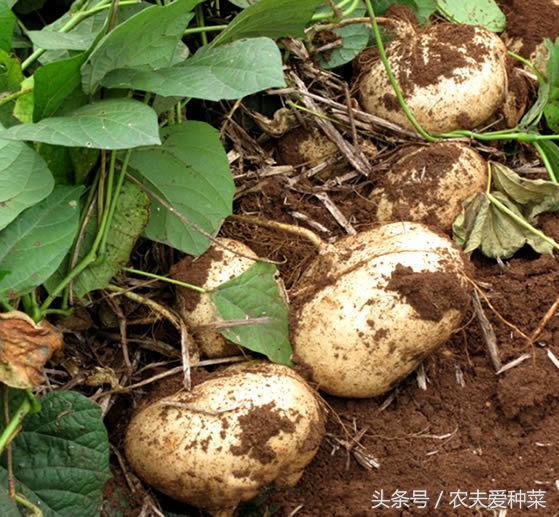
This vegetable is called jicama, also known as yam bean. It grows underground, and a single one can grow to more than 2 jin. It is a relatively common herbaceous vine in China, and because it is nutritious and as high-yielding as sweet potato, it is widely cultivated.
For jicama, what is mainly eaten is its enlarged underground root tuber. It is white all over and has no core. It is rich in sugar and protein, and also contains abundant vitamin C. Its fiber content is also very high, and eating it can effectively cleanse the intestines.
In our hometown it is also called digua. Whenever it is ripe and dug out, the skin can be peeled off directly and it can be eaten raw. It is mealy, sweet, and full of juice, and can be eaten entirely as a fruit. When stir-fried as a dish, it has a slightly fresh sweet taste and is also very delicious.
Like sweet potato, jicama is also a high-yielding crop, with yields per mu reaching several thousand jin or even more than ten thousand jin. Therefore, in southern China, some places grow it as a major cash crop.
Jicama is generally sown in April-May, and can be harvested after about 4 months. The reason it is said that jicama is easy to grow is that it has a strong root system and strong tolerance to drought and poor soil.
Jicama is a vegetable that likes warmth and light. During the growing period it requires relatively high temperature conditions. The germination stage requires a temperature of 30°C, and the suitable temperature for growth is 25-30°C. When the temperature is below 15°C, growth and development are inhibited.
Cultivation requires loam or sandy loam with deep soil, looseness, and good drainage. It is not suitable for planting in clayey soil with poor permeability. Suitable soil conditions can better help it achieve high yields.
Jicama has high yields when planted. Once it is dug out, do you also feel quite worried? However, this vegetable has one advantage, which is that it stores well. Store them in an open, dry place at a temperature of 20-25 degrees, and they can stay fresh without rotting for half a year.