-
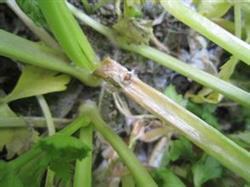
Pollution-free control methods and techniques for sclerotinia disease of coriander
1. Agricultural control (1) Practice crop rotation or high-temperature control. In diseased fields, practice a 2-3 year rotation with grain crops, or a 1-year rotation with rice or with aquatic vegetables. Where protected cultivation land cannot be rotated, high-temperature control may be adopted, as follows: during the high temperatures of the three summer months, first clean the field, remove diseased leaves and stems and weeds, carry them out of the field and bury them deep or burn them; apply 50-100 kg of lime per 666.7 sq m, add 500 kg of chopped rice straw or wheat straw, spread evenly on the surface, immediately turn into the soil, form high ridges about 30 cm tall, and fill the furrows with water until saturated; to keep water in the furrows at all times, irrigate every day; cover with plastic film, seal the edges tightly with soil, and keep the greenhouse or room closed for 15-20 days. This method can not only kill the lower sclerotia, but also kill pathogens such as Fusarium and root-knot nematodes.
-
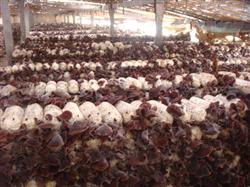
What are the methods for preventing and controlling pests and diseases in wood ear mushrooms?
Symptoms of green mold disease in wood ear mushrooms: After the spawn bags, spawn bottles, the area around the inoculation holes in log wood, and the fruiting bodies are infected by green mold, white slender hyphae first grow on the culture material, log wood, or fruiting bodies. After a few days, conidia can form. Once the conidia form in large numbers or mature, the colony turns green and powdery....
-
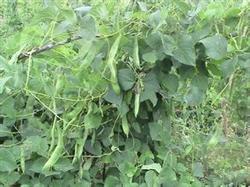
Main Pests and Diseases of Kidney Beans and Their Control Methods
See symptoms of southern blight of cucurbits: the stem base turns dark brown, densely covered with white filamentous mycelial strands, and later tea-brown round sclerotia form on the mycelial layer. Disease pattern and control methods: refer to southern blight of cucurbits. Distribution and host plants of sclerotinia rot of kidney bean: distributed in all regions. Besides damaging kidney beans, ...
-
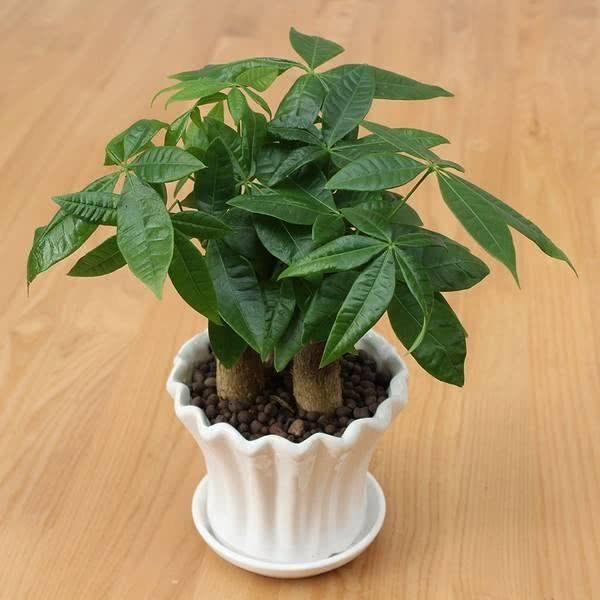
Give your flowers a little power pill, and white roots will fill the pot with ease
Growing flowers is really about growing roots; only when the root system is well cared for can the plant grow better. Because of the limits of the pot, potted flowers at home do not have such abundant nutrients in the soil, so fertilizing becomes especially important. Only with sufficient nutrients can...
-
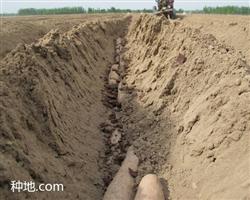
How to prevent and control pests and diseases in Chinese yam? A full breakdown of cultivation methods
How should pest and disease control be carried out after planting Chinese yam? The main pest and disease control methods for Chinese yam are introduced as follows: 1. Agricultural control. 1. Selecting disease-resistant varieties is an effective method for preventing and controlling pests and diseases in Chinese yam. When cultivating disease-resistant varieties, rational arrangement is needed, rotating varieties every 2 to 3 years, and attention should be paid to variety purification and rejuvenation....
-
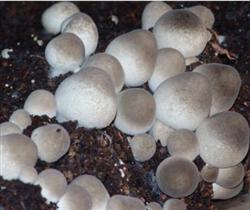
How to Increase Straw Mushroom Yield? Master These Four Key Measures
I. Timing and Production Methods Indoor cultivation can use mushroom houses and other idle rooms. Outdoor cultivation can use either small arch sheds or plastic greenhouses. Whichever method is used, it must meet the requirements of shading, wind protection, heat preservation and moisture retention. The extended cultivation time is basically close to but still below the optimum for straw mushroom growth...
-
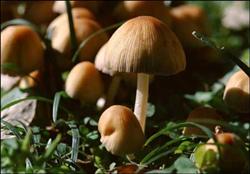
How to prevent red mushroom disease in straw mushrooms? Introduction to practical methods
"Red mushroom disease" may be brown rot, also known as blister disease, wet bubble disease, etc. It mainly affects button mushrooms, straw mushrooms, oyster mushrooms, etc. The disease is caused by a pathogen called Mycogone perniciosa. The main symptoms are: the conidia and chlamydospores of Mycogone perniciosa only infect the fruiting bodies, not the mycelium. When the fruiting body is lightly infected, ...
-
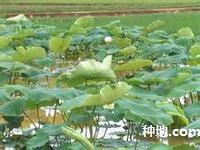
What are the disease control methods for lotus root cultivation?
How do you control diseases when growing lotus root? What are the techniques? Lotus root is a high-yield, high-efficiency aquatic economic crop and a vegetable variety commonly eaten by the general public. It is widely cultivated in various regions, and with industrial restructuring in various places, its cultivation area has been continuously expanding. In recent years, lotus root diseases have become increasingly serious and have...
-
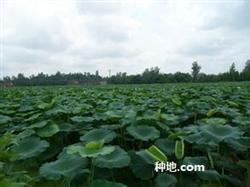
Identification and Control Methods for Common Lotus Root Diseases
What are the common lotus root diseases and how to control them? Asking for advice. Common lotus root diseases are: 1. Lotus root brown spot disease: a common leaf disease of lotus root, producing light brown lesions on the leaves, causing localized drying of the diseased leaves. Control methods: rational close planting to ensure ventilation and light penetration in the lotus field; appropriately increase the application of phosphorus and potassium fertilizers to enhance...
-
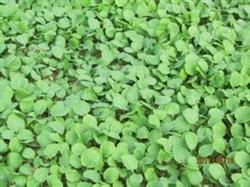
How to prevent and control pests and diseases in autumn-stubble small bok choy?
In traditional rapeseed cultivation, the first step is to raise seedlings in a seedbed, then plow the main field, make beds, and transplant. The many steps, high labor demand, great labor intensity, and high cost restrict the expansion of rapeseed planting area and the improvement of economic returns. In recent years, other places and local areas have been demonstrating and gradually promoting a new rapeseed cultivation technique...
条件筛选