-
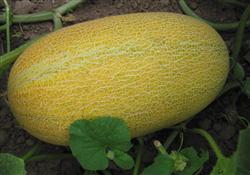
Main Disease Control Methods and Technical Key Points for Hami Melon
**The main diseases of Hami melon are Phytophthora rot and downy mildew, and powdery mildew. Bacterial leaf spot, gummy stem blight, viral disease and broomrape. The main control measures and pesticides are as follows: 1. Phytophthora rot (dead vines, wilt, rotten melons) (1) Select disease-resistant varieties (2) Use a middle furrow (15-20cm) with high beds (0....
-
Key Technical Points for Integrated Pest and Disease Control in Bitter Gourd
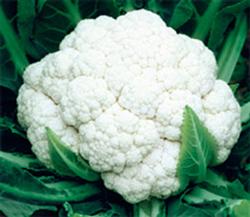
Cauliflower has poor waterlogging tolerance. When growing cauliflower in rainy areas and in environments with a high water table, deep furrows and high beds should be used to facilitate drainage. This is the key to successful cauliflower cultivation. Cauliflower also should not be grown in continuous cropping. The previous crop is best as cucurbits, solanaceous fruits, or legume vegetables, and fertile...
-
Green control methods for rice diseases, insect pests and weeds
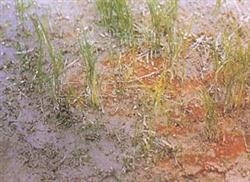
Rice seedling rot refers to the death of rice seeds and seedlings during the seedling-bed stage (that is, seed rot, bud rot and seedling death), and can be divided into two major categories: physiological and infectious. Physiological seedling rot refers to that caused purely by adverse environmental conditions; infectious seedling rot mostly refers to adverse environmental conditions inducing weakly parasitic fungi such as Pythium, Achlya, Fusarium and Rhizoctonia...
-
Methods and Technical Key Points for Pest and Disease Control in Jackfruit
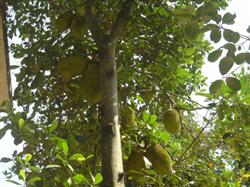
In hot and humid regions, pests and diseases of jackfruit can sometimes be quite serious, but current research and control measures are limited. The main ones include longhorn beetles, stink bugs, aphids, scarab beetles, cottony cushion scale, as well as leaf spot disease, sooty mold, and soft rot of flowers and fruits. Longhorn beetles are the most widespread and serious, damaging branches and trunks, causing gummosis, branch dieback, tree decline, and hollow or even rotting and death of the trunk...
-
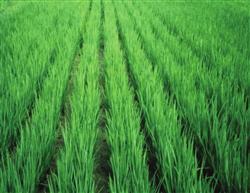
Zinc supplementation for rice boosts disease resistance and high yields, making rice plants healthier
When rice enters the jointing and panicle elongation stage, it is an important period of transition from vegetative growth to reproductive growth, and also a critical period that determines yield. Doing a good job of field management in the middle and late stages of rice is crucial for ensuring sufficient panicles, developing large panicles, shaping a high-yield plant type, and building a good framework for a bumper harvest. I. Seedling characteristics According to a survey on July 21...
-
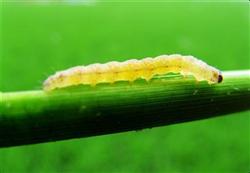
How to prevent and control common rice pests and diseases? A detailed practical guide
Rice bacterial leaf blight is a bacterial disease of rice leaves. The pathogen is Xanthomonas oryzae pv. oryzae in the prokaryote kingdom. The bacterium invades through wounds and water pores in the roots, stems and leaves, and reproduces and causes damage in the vessels of the vascular bundles. Seedlings and tillering stages are the most susceptible. Seedling leaves mostly show leaf blight symptoms. In susceptible varieties...
-
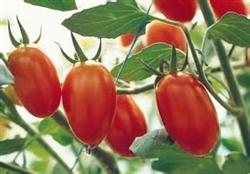
Complete Guide to Pest and Disease Control Measures for Cherry Tomatoes
The cultivation techniques are as follows: 1. Sow at the right time. This variety is suitable for autumn sowing; seedlings can be raised starting in late May to early June, transplanted in July, and harvested starting in September. To prevent the spread of seed-borne viruses, disinfect the seeds before sowing: wrap the seeds in gauze, soak them in a 15% trisodium phosphate aqueous solution for 10 to 20 minutes, then...
-
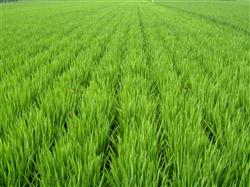
Causes and Control Methods of Rice Deadheart Disease
Key Points of Rice Dry Seedbed Cultivation Technology 1. Apply sufficient base fertilizer: In combination with deep ploughing or leveling the field with irrigation water, apply 30-40 kg of rice-specific compound fertilizer, ammonium bicarbonate and 20-25 kg of ordinary calcium superphosphate per mu, applied all at once as a middle fertilizer. Fields with broad bean as the previous crop should receive a larger amount, while vegetable or potato fields should receive a smaller amount. 2. Transplant shallowly and sparsely at the right time...
-
Key Technical Points for Controlling Diseases, Pests and Weeds in the Field After Rice Seedling Broadcasting
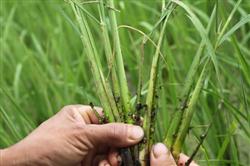
Southern rice black-streaked dwarf disease is a viral disease mainly transmitted by the white-backed planthopper. It mainly harms staple grain crops such as rice and corn. Once a crop is infected, the plant becomes stunted, tillering increases, and in the later growth stage the diseased rice cannot head or set grain, sometimes resulting in a complete loss of harvest, seriously threatening the safety of our county's grain production. In order to scientifically...
-
What pesticides are used to control common diseases of greenhouse grapes
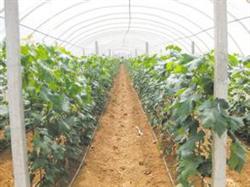
Pesticide control measures for various diseases of greenhouse grapes: Control method for grape downy mildew: clean up the orchard, spray 5 degrees Baume lime sulfur mixture before bud break, spray once every half month starting from the young fruit stage, and spray 40% metalaxyl 800-1000 times dilution when the disease occurs. Control method for grape white rot: clean the orchard, starting from June every...
条件筛选