Key Technical Points for Integrated Pest and Disease Control in Bitter Gourd
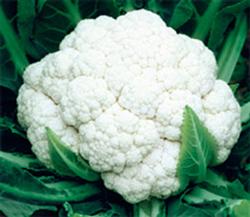
Cauliflower has poor waterlogging tolerance. When growing cauliflower in rainy areas and in environments with a high water table, deep furrows and high beds should be used to facilitate drainage. This is the key to successful cauliflower cultivation. Cauliflower also should not be grown in continuous cropping. The previous crop is best as cucurbits, solanaceous fruits, or legume vegetables, and fertile...
 Viral disease. It harms seedlings and plants that have just begun flowering and setting fruit, causing the growing point to shrink, the leaves to curl, the plant to become smaller as it grows, and gradually wither and die. When the leaves begin to curl, spray continuously 2-3 times with a 600-fold aqueous solution of plant virus vaccine, or an 800-fold aqueous solution of Virus A, or a 600-fold aqueous solution of plant growth enhancer for control, spraying once every 7-10 days.
Powdery mildew. It occurs during the flowering and fruiting period, covering the leaves with white powdery material, causing the leaves to lose greenness and turn yellow, leading to premature aging of the plant, resulting in intermittent flowering and fruiting and deformed young fruits, and shortening the harvest period. When white powdery material appears on the leaves, spray the foliage once every 7-10 days with a 1500-fold aqueous solution of myclobutanil, or a 1000-fold aqueous solution of triadimefon, or a 600-fold aqueous solution of sulfur suspension concentrate for control, spraying continuously 2-3 times.
Melon fruit fly. Its larvae bore into young fruits and cause damage, making the young fruits deformed and changing color prematurely, after which they rot and deteriorate and also give off a foul odor. During the young fruit stage, spray the young fruits 2-3 times with a 1000-fold aqueous solution of fipronil, or a 1500-fold aqueous solution of Nongdile, or a 2500-fold aqueous solution of Green Kungfu, once every 4-5 days, and promptly remove deformed fruits and burn or deeply bury them outside the garden.
Spider mites. They harm the leaves, pierce and suck the sap, causing the leaves to lose greenness and turn yellow, the plant to age prematurely, and the young fruits to fail to expand, resulting in intermittent flowering and fruiting and deformed young fruits, shortening the harvest period, and reducing yield and quality. During the growth and development period of bitter gourd, pay attention to checking the leaves. If pink, pinhead-sized larvae are found attached to the leaves, immediately spray continuously 2-3 times with a 1000-fold aqueous solution of Miejiisi, or a 1500-fold aqueous solution of Saomanjing, or a 1000-fold aqueous solution of Lesiben for control, spraying once every 7-10 days.
Aphids, whiteflies, and tea yellow mites. They harm the leaves, pierce and suck the sap, weakening the plant, affecting flowering and fruiting, and also transmitting viruses, aggravating the occurrence and harm of viral disease. When aphids, whiteflies, and tea yellow mites are found causing damage on the leaves, spray the foliage once with a 1500-fold aqueous solution of omethoate, or a 1000-fold aqueous solution of Yashijing, or a 1000-fold aqueous solution of Yipianjing.
Scarab beetles, tussock moths, swallowtail butterflies, and Perigea noctuid moths. They mainly bite and eat the leaves, reducing nutrient accumulation, affecting flowering and fruiting, preventing the young fruits from expanding, and causing a noticeable decline in yield. After each flush of new leaves, spray the foliage once with an 800-fold aqueous solution of trichlorfon, or a 1000-fold aqueous solution of dichlorvos for control.