-
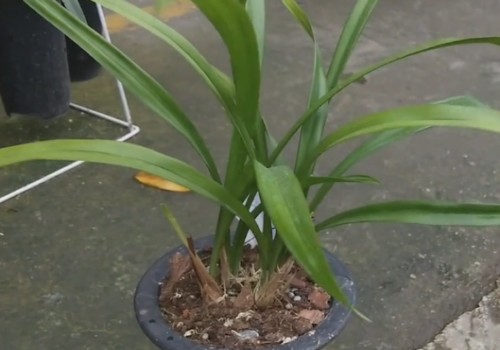
What to Do When an Orchid Gets Sick? Common Disease Prevention and Treatment Methods
Orchids have always been deeply loved by gardeners, but during the growing process, plants infected with soft rot and stem rot are also the most headache-inducing problems. Today, the editor will offer some tips to help everyone solve these two most troublesome problems and help you protect your beloved potted orchids.
-
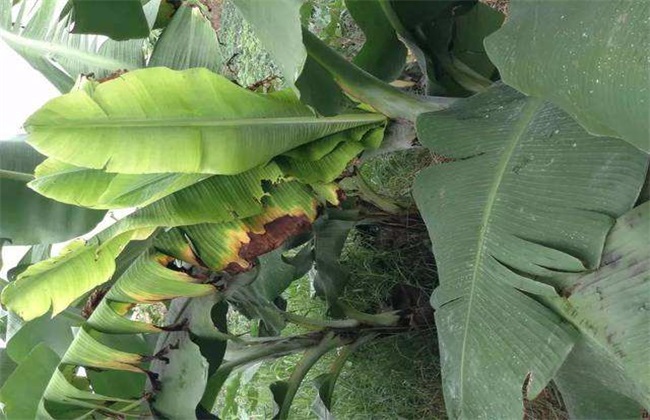
How to effectively prevent and control banana bunchy top disease
How to prevent and control banana bunchy top disease
-
Symptoms and control of three common banana diseases: small black spot disease, fine streak disease and bunchy top-like stunting disease
An introduction to the symptoms and control methods of common banana diseases: small black spot disease, fine streak disease and stunting disease. Let's take a look! Small black spot disease Pathogen: the optimum temperature for mycelial growth is 25°C, the optimum temperature range for spore formation is 13-29°C, and the optimum temperature range for spore germination is 13-33°C.
-
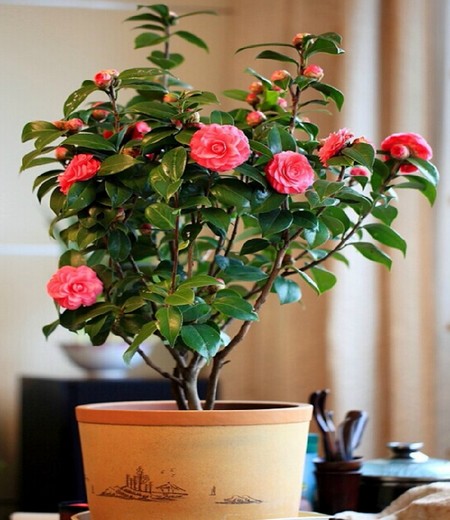
A Detailed Guide to Growing Hibiscus: Even Beginners Can Learn with Ease
Hibiscus is a traditional famous flower of China, with a recorded cultivation history of nearly 3,000 years. Hibiscus is a common deciduous shrub or small tree with strong adaptability, suitable for planting in both north and south China. It prefers sunlight and tolerates partial shade, tolerates cold and partial drought, and tolerates poor soil, though it generally grows better in moist soil. It has strong sprouting ability and tolerates pruning.
-
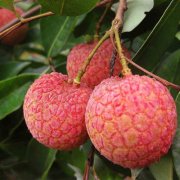
Impact of Common Diseases on Lychee Trees and Their Control Methods
Do you grow lychee? If you do, then you must pay attention to lychee pests and diseases. Let's first take a look at the common diseases of lychee! 1. Downy blight Caused by Peronophythora litchi, it can damage flowers, leaves, young stems and
-
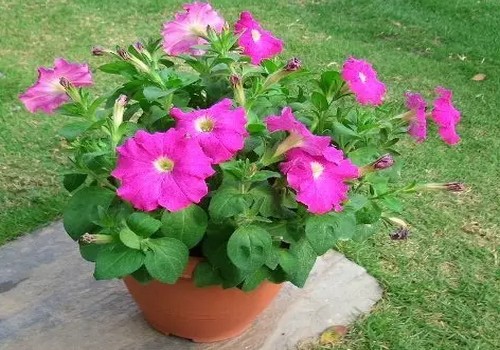
How to Grow Morning Glories in Pots: Even Beginners Can Learn with Ease
The morning glory is an herbaceous annual plant, covered all over with white hairs, with short hairs on the stems and leaves that are soft and fine. The leaves are broad, round or ovate, varying in shade, about 4-15 cm long and 4.5-14 cm wide. The leaf surface has slightly stiff, loose downy hairs. The petioles are 2-15 cm long, growing on the inflorescence
-
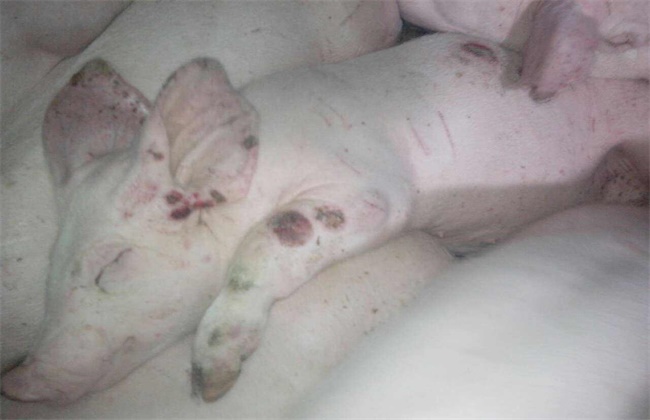
How to prevent and treat common skin diseases in pigs? A detailed guide to prevention and control measures for pig farmers
Common skin disease prevention and control measures in pig farming
-
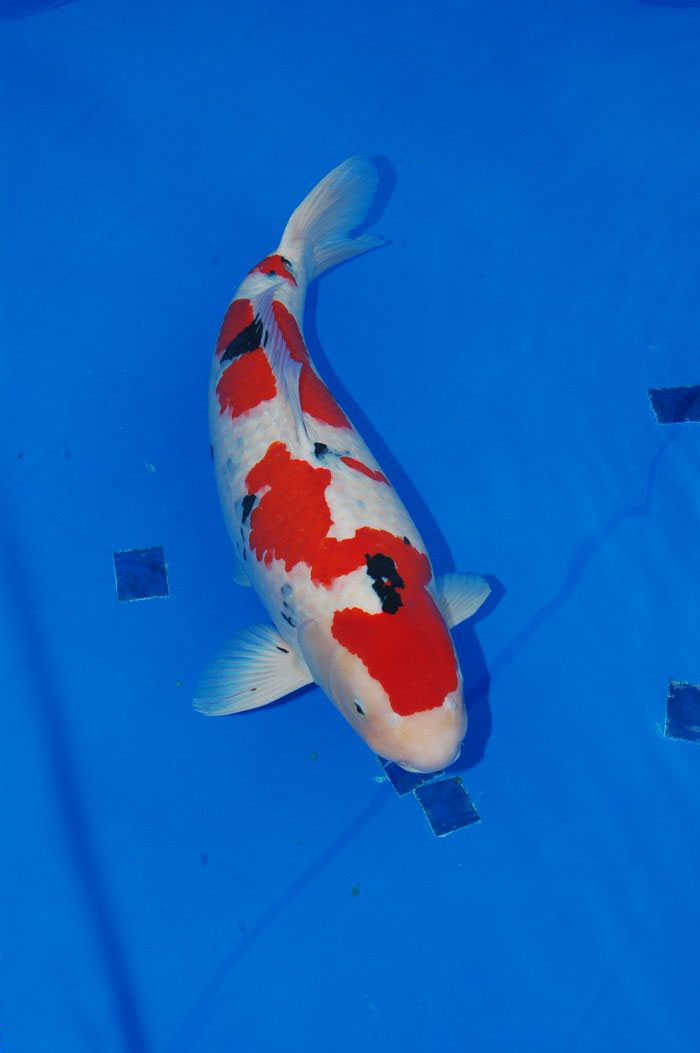
Koi fish farming: pay attention to the growth environment of Ichthyobodo and the prevention and treatment of parasitic diseases
Below we introduce the growth environment of Ichthyobodo, so that we can gain a deeper understanding of its characteristics. Ichthyobodo has extremely strong adaptability to the environment, and its main suitable water temperature is 12-20°C. The victims of Ichthyobodo disease outbreaks are mostly young fish; the younger the juvenile...
-
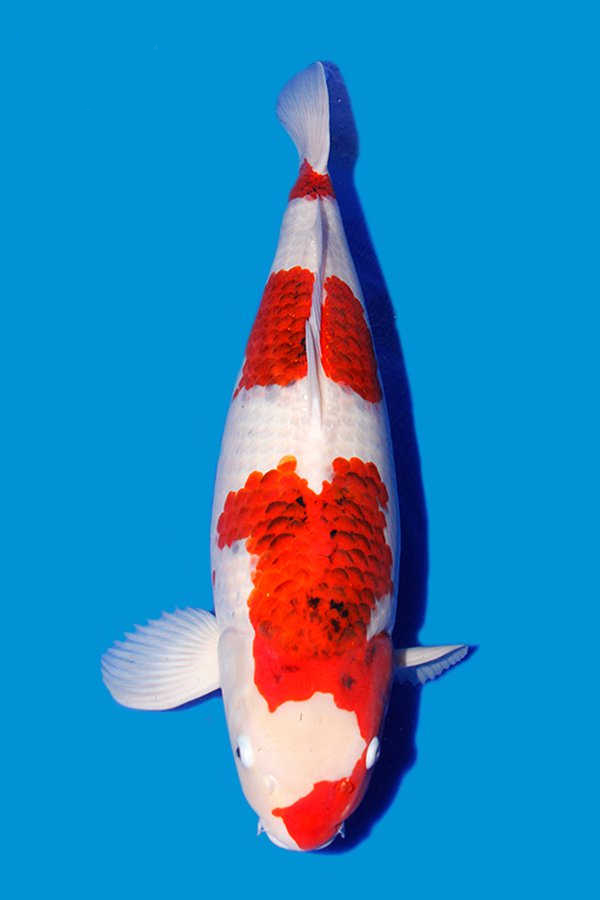
Symptoms and Prevention of Koi Side Sipi Trematode Parasite Disease
Side sipi trematodiasis, also called closed-mouth disease, is caused by the Japanese side sipi trematode (Asymphylodora japonica) parasitizing the front part of the intestine of fish. The worm body is small and flat, nearly oval, measuring 0.53-1.3 micrometers × 0.21-0.52 mm, with small spines covering the body surface. The oral sucker is located at the subanterior end, followed by the prepharynx, pharynx, and two ceca of the esophagus.
-
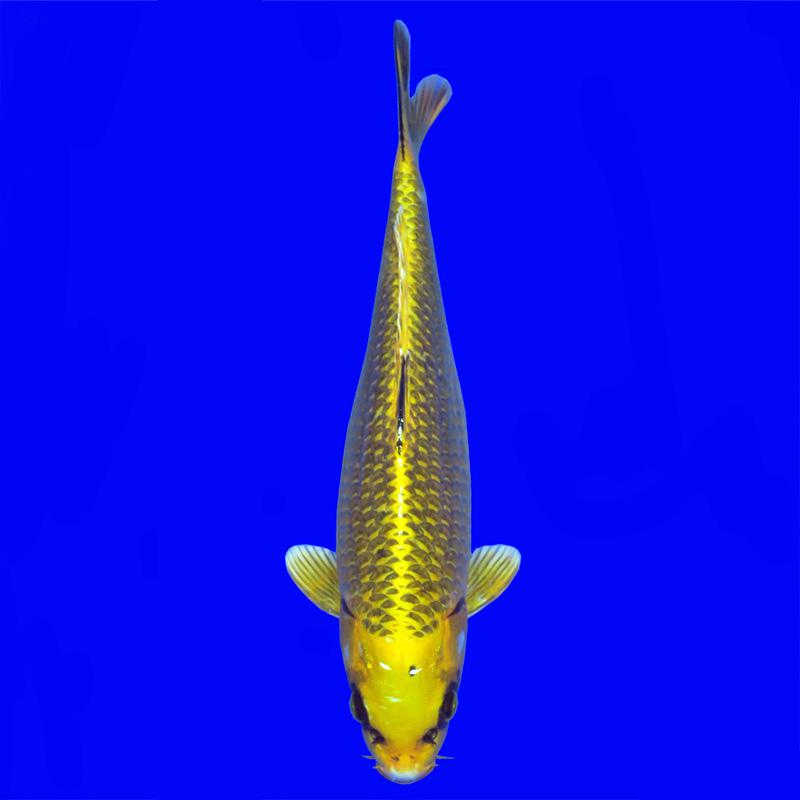
Koi Water Change Frequency and the Symptoms and Treatment Methods of Red-Skin Disease
In the process of raising koi, red-skin disease is also a common disease, but for a beginner, they may never have encountered such a situation at all. However, in this article today, we will give everyone a brief introduction to the treatment methods for koi red-skin disease...
条件筛选