-
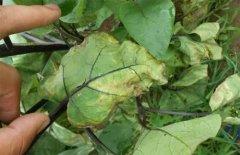
Eggplant Verticillium Wilt: Symptom Identification and Control Methods
Verticillium wilt is one of the major diseases in the growth of eggplant, and this disease is becoming more and more serious, and the worsening of this disease has also seriously affected the yield and quality of eggplant. Therefore, chemical control should be carried out according to the characteristics of the occurrence of this disease. How exactly should it be done
-
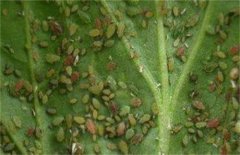
Control Methods for Yam Bean Beetle and Blue-Winged Leaf Beetle
How should the control methods for yam bean beetle and yam blue-winged leaf beetle be carried out? Do you know? Let's take a look together. The yam bean beetle pest occurs from May to August, with only 1 generation per year. The yam blue-winged leaf beetle also has 1
-

How to Grow Chestnut Pumpkin: Do Pumpkins Need Pollination? Controlling Pumpkin Powdery Mildew
To grow chestnut pumpkin, the seeds must first be sterilized, then kept warm to promote sprouting, then placed in a seedling pot filled with potting soil. Once the cotyledons and two true leaves have grown, they can be transplanted. They sprout in one week; plant them into a seedling pot, and after another week or so, transplant them into
-
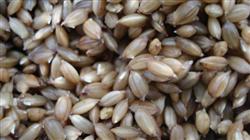
How can rice white-tip nematode disease be controlled effectively?
After the Beginning of Spring, some areas in the south begin preparing to raise rice seedlings, so Zhongdiwang has compiled the four key points of rice seedling raising, listed in detail below for netizens' reference. Key point one, treatment of rice seeds: to improve the germination rate of rice, the seeds should be sun-dried before sowing, then treated with Baike (25% prochloraz)...
-
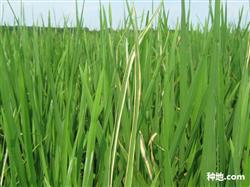
What are the common types of rice pests and diseases?
What are the common pests and diseases of rice? How to prevent and control them? We also ask experienced rice growers to help introduce this. Nearly half the world's population relies on rice as a staple food, but during rice cultivation it is often harmed by rice blast, bacterial leaf blight, bacterial leaf streak, sheath blight, rice false smut, and rice planthoppers and rice stem borers, so Zhongdi Web has compiled...
-
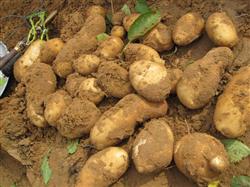
What are the methods to increase potato yield? Practical growing tips shared
What methods are there to increase potato yield? We also ask netizens with potato growing experience to give a detailed introduction. Potato is also known as yam, potato, yam egg, etc. It has the functions of both grain and vegetable, and together with rice, wheat, corn and sorghum is known as one of the world's five major crops. Because potato nutrients are complete and easily absorbed by the human body...
-
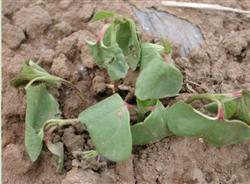
What are the common diseases of cotton? A must-read for growers
What are the common diseases of cotton? What harm do they cause? We welcome knowledgeable readers to share their insights. The common diseases in cotton cultivation mainly include damping-off, Fusarium wilt, black rot, viral disease and stem blight; Zhongdiwang has compiled the harm and control methods of the above cotton diseases, listed below for readers' reference. Cot...
-
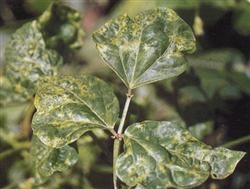
What are the common diseases of mung bean? Read this article to understand
What diseases affect mung bean? What are the main harms? How to prevent and control them? We also invite knowledgeable readers to help explain. The main diseases of mung bean are viral disease, leaf spot disease and root rot. Zhongdiwang has compiled the harms and control methods of the above diseases, listed below for readers' reference. Harm of mung bean viral disease:...
-
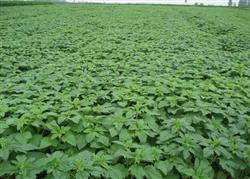
How can sesame be planted to achieve increased yield?
How can sesame increase its yield? What methods are there? We also ask knowledgeable netizens to help introduce. Zhongdiwang has compiled five methods that can effectively increase sesame yield, listed in detail below for netizens' reference. Method 1: Spray chlormequat during the sesame seedling stage: Used during the sesame seedling stage, it can make sesame stems and branches thick and strong...
-
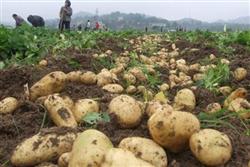
What are some practical ways to increase potato yield?
What methods can increase potato yield? We invite netizens with potato growing experience to help introduce how potatoes have anti-aging benefits. They are rich in B vitamins such as vitamin B1, B2, B6 and pantothenic acid, as well as a large amount of high-quality fiber, and also contain trace elements, amino acids, protein, fat and high-quality starc...
条件筛选