How can sesame be planted to achieve increased yield?
How can sesame increase its yield? What methods are there? We also ask knowledgeable netizens to help introduce. Zhongdiwang has compiled five methods that can effectively increase sesame yield, listed in detail below for netizens' reference. Method 1: Spray chlormequat during the sesame seedling stage: Used during the sesame seedling stage, it can make sesame stems and branches thick and strong...
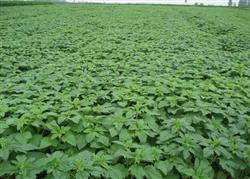 How can sesame increase its yield? What methods are there? We also ask knowledgeable netizens to help introduce
Zhongdiwang has compiled five methods that can effectively increase sesame yield, listed in detail below for netizens' reference.
Method 1: Spray chlormequat during the sesame seedling stage:
Used during the sesame seedling stage, it can make sesame stems and branches thick and strong, lower the capsule-bearing position, increase the number of nodes and capsules, increase grain weight, and raise yield by 35%. Usage method: At the 2-3 pairs of true leaves stage of sesame, continuously spray a chlormequat solution with a concentration of 003% 2 times, with a 7-day interval between the two sprays, spraying 50 kg of solution each time.
Method 2: Spray yield-increasing spirit during the sesame flowering stage:
It can promote growth and development, increase the capsule-setting rate, and raise yield by 10%-20%. Usage method: Continuously spray 2 times at the initial flowering stage of sesame, with a 7-day interval, and the spraying concentration is 10 ppm on fertile land and 20 ppm on poor land. Spray 50 kg of solution per mu each time.
Method 3: Spray gibberellin (920) at the initial flowering stage of sesame:
Spraying gibberellin (920) can increase the number of branches, increase capsule density, and expand leaf area, raising yield by 17%. Usage method: At the initial flowering stage of sesame, spray 50 kg of a 10 ppm gibberellin solution on the leaves once. After spraying, sesame accelerates growth after entering the flowering stage, leaf color becomes lighter, and nutrient deficiency is likely to occur. At the early flowering stage, 10 kg of urea should be applied per mu as a topdressing, so that the fertilizer and water supply can adapt to the needs of accelerated growth, thereby ensuring increased sesame yield.
Method 4: Spray potassium dihydrogen phosphate at the initial flowering stage of sesame:
After spraying at the early flowering stage of sesame, it can promptly provide phosphorus and potassium nutrition, thereby increasing capsules, improving grain weight, and raising yield by 15%-20%. The application method is to spray once at the early stage of sesame, then spray again after an interval of 5-7 days. Each time, use 200 g of potassium dihydrogen phosphate per mu, add 50 kg of water, dilute, and choose a sunny afternoon or cloudy day to evenly spray on the front and back of sesame leaves. Boron-deficient soil should be mixed with 50 g of boron fertilizer for spraying each time.
Method 5: Topping sesame at the right time:
In the late growth stage of sesame, timely topping can inhibit apical growth, reduce ineffective capsules, prevent ineffective consumption of nutrients, and can increase yield by more than 10%. After the full flowering stage of sesame, when the leaf nodes at the top of the main stem cluster and growth nearly stops, choose a sunny morning to remove 3-4 cm of the stem tip.
Click to get more sesame planting techniques
Click to get more food crop planting techniques