-
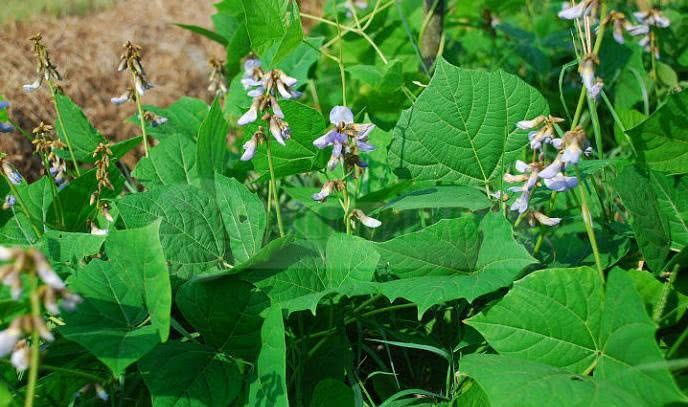
Underground fruit that differs from sweet potato by just one character, its seeds are highly toxic, yet farmers grow it in large quantities
Our country has a vast territory and abundant land resources, so the variety of foods is also diverse. Thousands of years of culinary culture have made Chinese people very particular about "eating," and it can be said that anything edible can make it onto people's dining tables. Even...
-
What is the difference between glyphosate and glufosinate? Explained clearly in one article
What is the difference between glyphosate and glufosinate? Compared with glyphosate, glufosinate acts faster, and it can also control some weeds that have developed resistance to glyphosate. Glufosinate is a phosphinic acid non-selective contact herbicide and a glutamine synthetase inhibitor with partial systemic activity. After application...
-
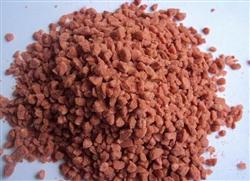
What is the difference between potassium sulfate and potassium chloride? How should they be applied?
What is the difference between potassium sulfate and potassium chloride? How should they be applied? Please explain the application techniques for potassium sulfate and potassium chloride. Potassium sulfate: readily soluble in water, with a K2O content of 50%, it forms white or pale red crystals, has better physical properties than potassium chloride, is less hygroscopic, does not easily cake during storage, and is an acidic fertilizer. Potassium chloride: ...
-
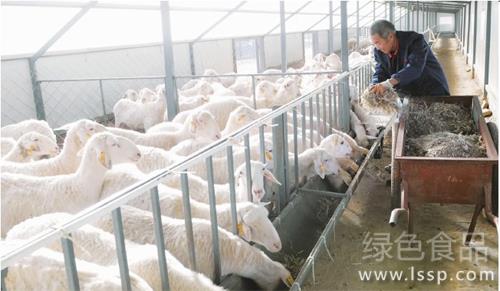
Fattening Technical Measures for Sheep Lambs of Different Weaning Weights
Fattening Technical Measures for Sheep Lambs of Different Weaning Weights
-
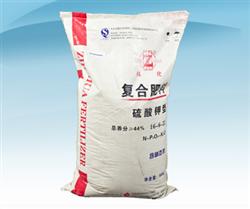
What is the difference between compound fertilizer and single-element fertilizer?
What is the difference between compound fertilizer and single-element fertilizer? Please explain that compound fertilizer refers to chemical fertilizer whose composition contains the three elements nitrogen, phosphorus and potassium, or any two of them. The advantages of compound fertilizer can be summarized in the following aspects: comprehensive nutrients and high content. The nutrients in each granule of compound fertilizer are evenly distributed, not only providing...
-
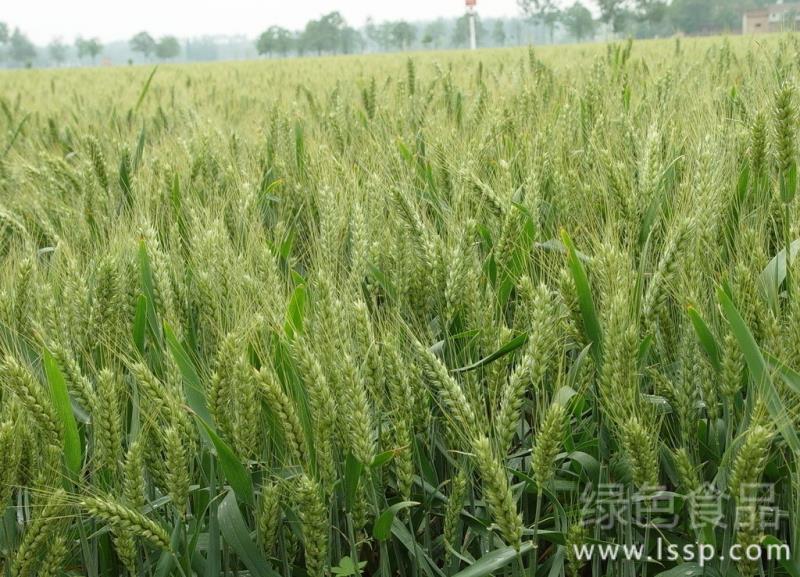
Analysis of Water Consumption of Winter Wheat at Different Growth Stages
Analysis of Water Consumption at Each Growth Stage of Winter Wheat
-
How do you identify the phytotoxicity of different types of herbicides?
What growth regulators can be used for growing peppers? Here is an introduction. The growth regulators that can be used on peppers include the following: growth regulators are the general term for substances that regulate plant metabolism, growth and development. Proper use of growth regulators can promote or inhibit the growth of peppers, enhance their stress resistance, ...
-
Detailed Explanation of the Differences Between Types of Water-Flush Fertilizers and Their Correct Application Methods
Should organic fertilizer be applied when growing watermelons now? What is the use of applying organic fertilizer? Growing watermelons that are sweet and refreshing is what every melon farmer strives for. Only by continuously improving watermelon quality can one win the market, be favored by the vast number of consumers, and achieve increased production and income for melon farmers. Watermelons have a short growth period and high yield...
-
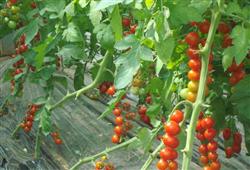
How to use growth regulators on cherry tomatoes? Application differs by type
Cherry tomato varieties fall broadly into two types: one is the indeterminate type, whose top does not terminate and which can keep growing continuously; the other is the determinate type, which automatically terminates after growing a few leaves and continues growing upward via side branches. The management of these two types differs little, but there is a considerable difference in growth regulator application....
-
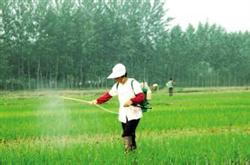
What is the difference between public health insecticides and general pesticides?
First, based on the climate characteristics and the pests' day-and-night activity patterns, choose a favorable time period for application. The best times to apply are from 9 to 10 a.m. and after 4 p.m. This is because from 9 to 10 a.m., the dew on the crop leaves has dried, and it is also the time when day-active pests are most active. Applying at this time will not, because of the dew...
条件筛选